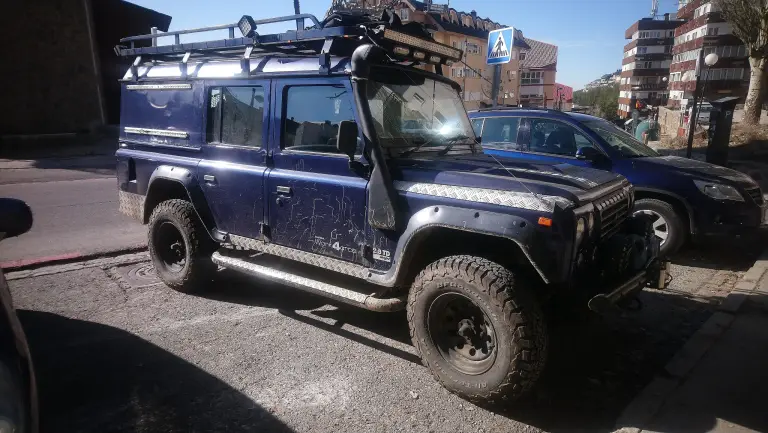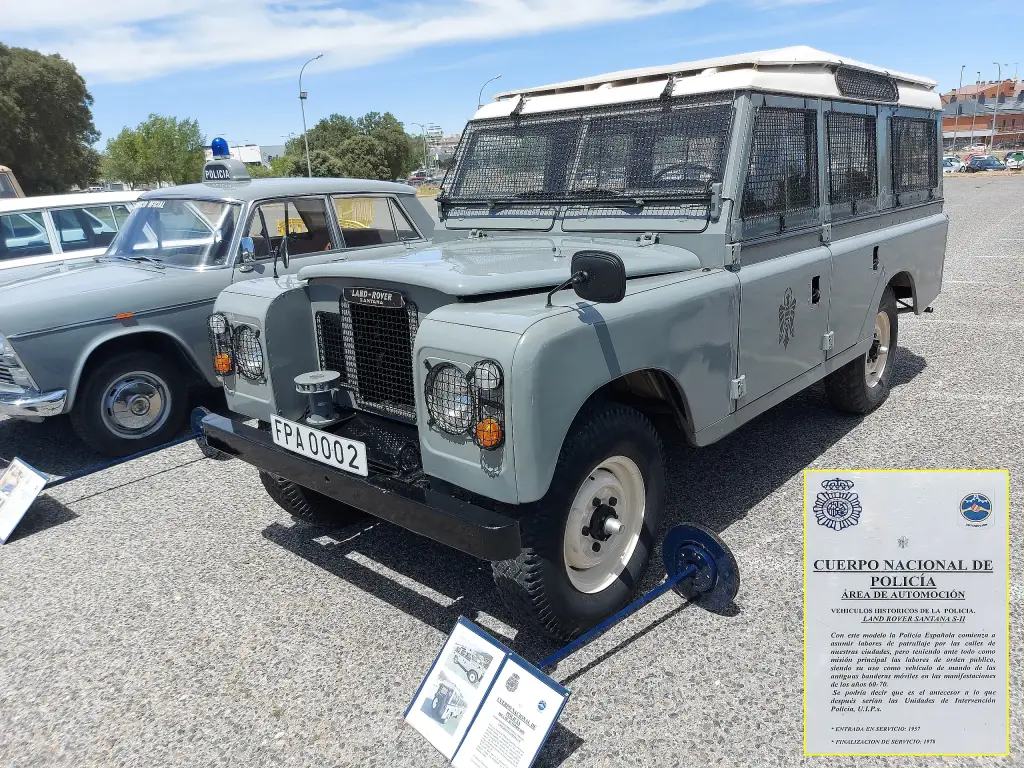
The Land Rover Santana was the Spanish version of the Land Rover Series, built by Santana Motor in Linares (Jaén) from 1958 until 1994. It began as a licence-built copy assembled from CKD kits, but by 1968 every component was made in Spain and Santana was developing its own engines and refinements.
Land Rover Santana at a glance
| Maker | Santana Motor (Metalúrgica de Santa Ana), Linares, Spain |
|---|---|
| Production | 1958–1994 |
| Licence | Land Rover, agreement of 1956 |
| First model | Series II 88-inch, 1958 |
| Engines | 2.0-litre diesel, 2.25-litre petrol |
| Wheelbases | 88 in and 109 in; five-door 109 from 1968 |
| Local content | 100% Spanish by 1968 |
| Series IIa | from 1962 |
| Series III | 1974–1984 |
| Own models | Santana 1300, Santana Ligero |
| Exports | Morocco, Costa Rica, Colombia, Iran and other markets |
| Later | Santana 2500 after the Land Rover agreement |
History of the Land Rover Santana
Santana Motor was founded in 1956 as Metalúrgica de Santa Ana, a maker of agricultural machinery. In the same year it reached an agreement with Rover to build Land Rover Series models under licence, and production began in 1958 with the Series II on the 88-inch wheelbase. The first vehicles were assembled from CKD kits shipped from Solihull, with a 2.0-litre diesel or a 2.25-litre petrol engine. Early customers were public bodies — the Guardia Civil, the armed police, the Ministry of Public Works, the telephone company and the army — and their hard use gave the Spanish Land Rovers their reputation for toughness. Local content rose quickly: by 1968 all components were made in Spain.
Series IIa and Series III
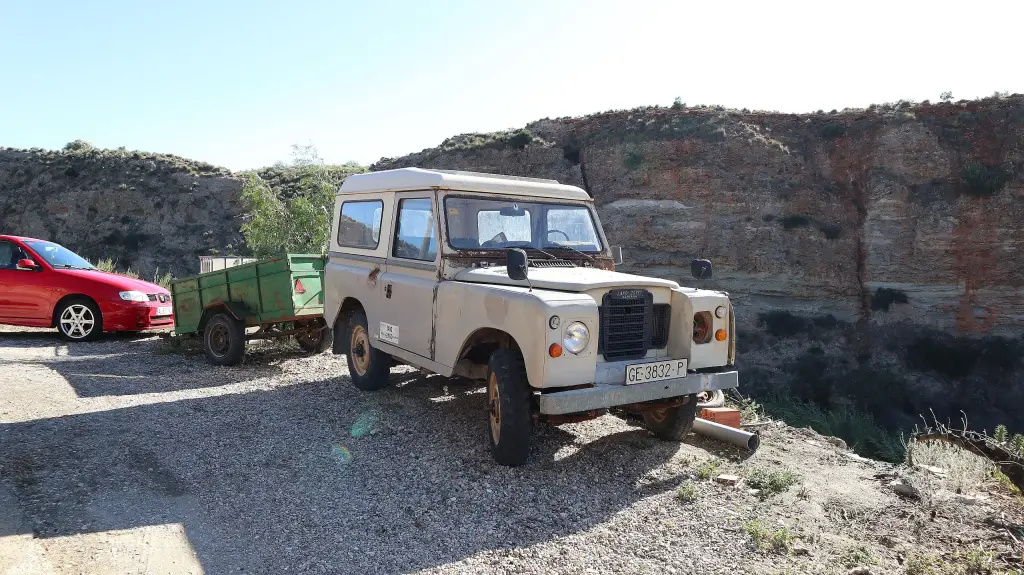
The Series IIa arrived around 1962 with mechanical improvements and optional power take-offs, and the Santana 1300 was developed on its basis. The five-door 109-inch station wagon joined the range in 1968, the same year the company took the name Land Rover Santana. In the 1970s the thread changed from Whitworth to metric, and in 1972 new homologation rules forced the headlamps out of the centre of the front panel into the wings. The Series III was built from 1974 to 1984, three years behind Solihull. Santana also promoted the Land Rover brand in Africa and Latin America and supplied CKD kits to Morocco, Costa Rica, Colombia and Iran.
Spanish improvements
Although the cars were licence-built, Santana did not simply copy Solihull. Because its vehicles worked in harsh conditions, the company engineered its own solutions and often introduced equipment before Land Rover: anatomical seats, disc brakes, turbo diesel engines, taper-leaf and coil springs, and civilian Forward Control versions. It also built the Ligero, a civilian version of the Land Rover Lightweight that Land Rover itself never sold. The Land Rover agreement ended in the 1980s; from 1989 Santana marketed the Santana 2500 under its own name, and the last vehicles carrying the Land Rover Santana name were donated to Colombia, with a few sent to Mexico. Production of the Land Rover Santana ended in 1994.
Design and features
- Licence-built, then local: assembly began with British CKD kits, but by 1968 every component was Spanish.
- Own engineering: Santana fitted disc brakes, turbo diesels and new spring designs before Solihull did.
- Public-service workhorse: the civil guard, police, ministries and the army were early customers.
- Export network: vehicles and CKD kits went to North Africa, Latin America and the Middle East.
- The Ligero: a civil Lightweight that Land Rover never offered.
Land Rover Santana versions
- Series II (1958): the first licence-built model, 88-inch, diesel or petrol.
- Series IIa (from 1962): updated mechanics and the basis of the Santana 1300.
- 109-inch five-door (from 1968): long-wheelbase station wagon.
- Series III (1974–1984): the last of the classic Land Rover Santana line.
- Santana 1300: a Spanish development of the IIa.
- Santana Ligero: military 88M and its civilian version.
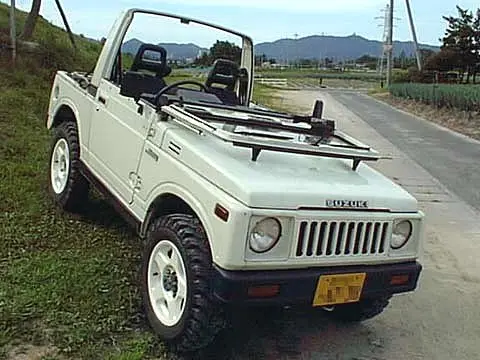
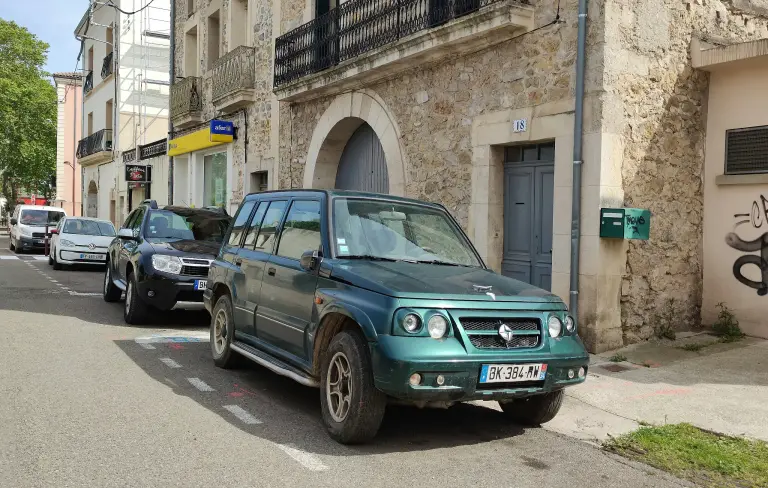
The military-derived Santana Ligero used the same Series IIa base, and the later Santana Aníbal continued the utility 4×4 line. More vehicles are in the Santana collection.
Sources
- Santana Motor, English Wikipedia: company history, licence, local content, exports
- Land Rover Santana, Spanish Wikipedia: Series II, IIa and III, production years