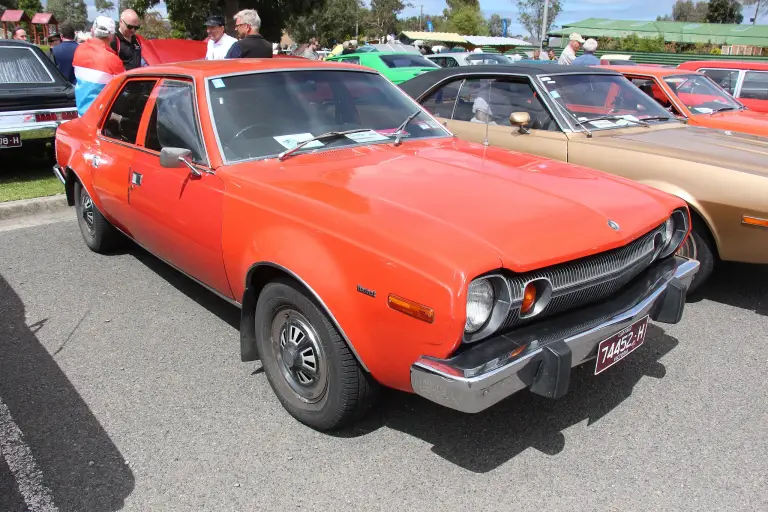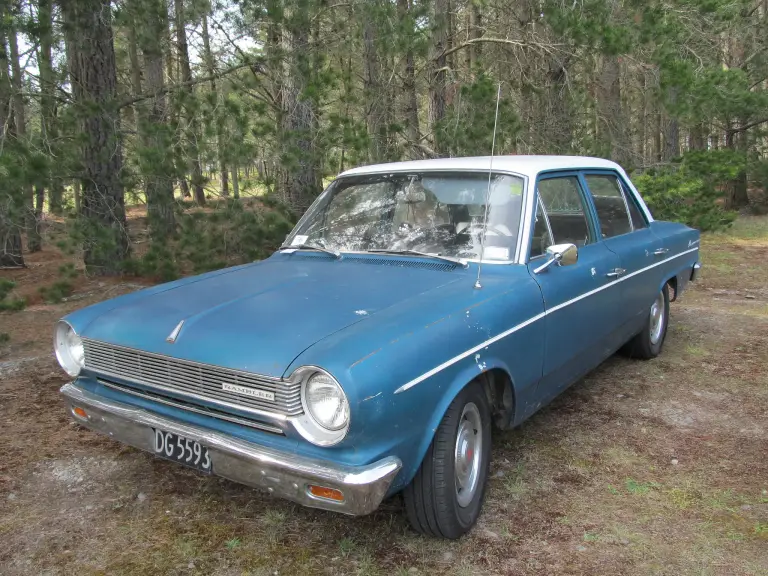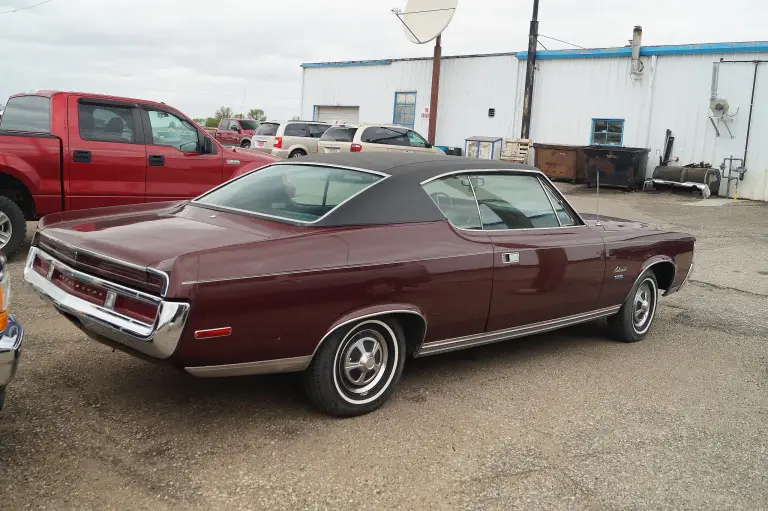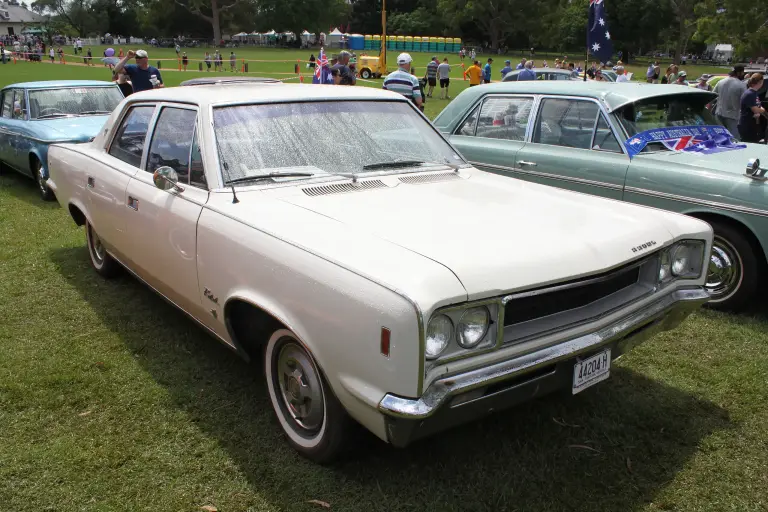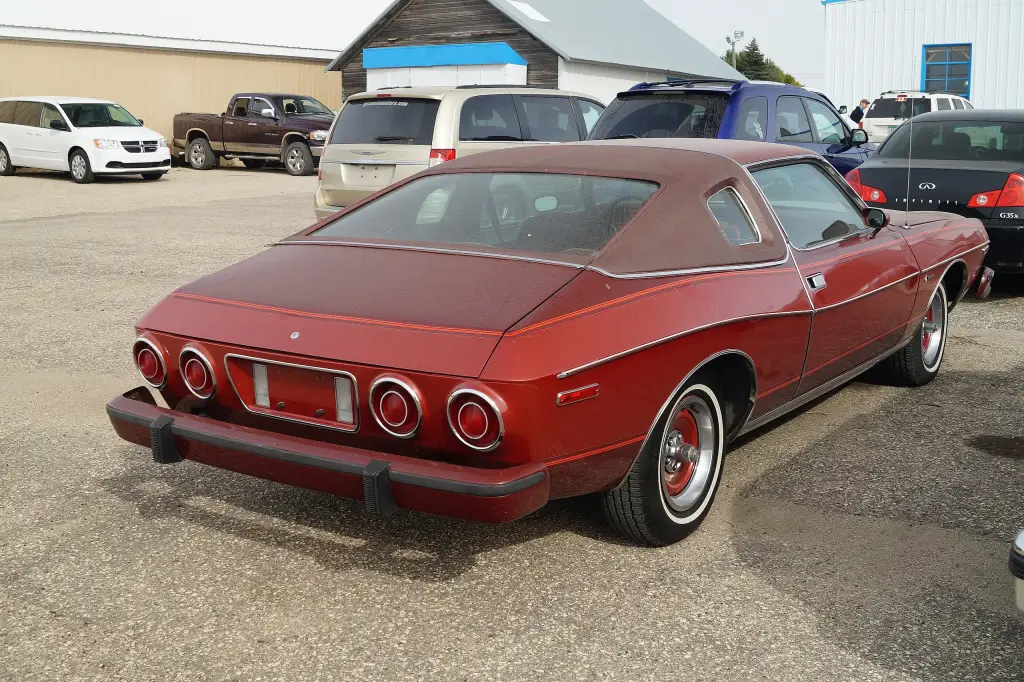
The Rambler Matador was the name American Motors gave its intermediate family car for 1971, replacing the Rebel. Two generations followed, the second becoming AMC’s full-size flagship, and the car found a second life as a police cruiser and a NASCAR racer.
Rambler Matador at a glance
| Maker | American Motors Corporation |
|---|---|
| Production | 1971–1978 model years |
| First generation | 1971–1973, mid-size |
| Second generation | 1974–1978, full-size |
| Body styles | two-door hardtop or coupe, four-door sedan, station wagon |
| Name change | Matador replaced Rebel for 1971 |
| NASCAR | factory-supported 1972–1975, five wins |
| Luxury trims | Barcelona and Oleg Cassini coupes |
| Police use | heavy-duty packages with 360 or 401 cu in V8s |
| Film | the coupe appeared in The Man with the Golden Gun, 1974 |
| Overseas | sold as a Rambler and assembled in Costa Rica, Mexico and Australia |
History of the Rambler Matador
Why the name changed
American Motors introduced the Matador for 1971 as part of a repositioning of its intermediate models. Executives concluded that the Rebel name, once a symbol of youthful independence, had acquired negative connotations in the climate of the late 1960s and early 1970s. Market research led to Matador, a name intended to suggest power and precision. The intermediate segment was popular with middle-class families, with wheelbases of 114 to 118 inches and engines of 300 to 360 cu in, and AMC wanted a stronger position in it. To improve recognition AMC moved its $15 million advertising account to Cunningham & Walsh in 1972 and ran the self-deprecating “What’s a Matador?” campaign, which made the new name familiar and brought traffic into dealerships.
First generation, 1971–1973
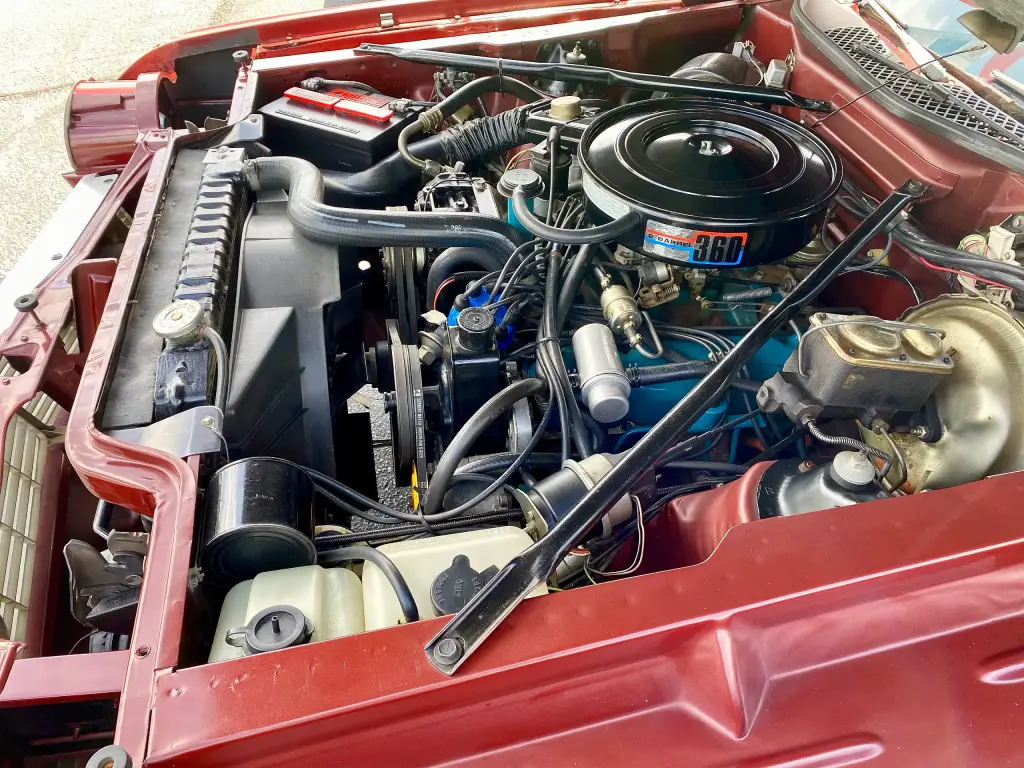
The first-generation Matador was offered as a two-door hardtop, four-door sedan and station wagon. Sedans and wagons were known for good value, and the two-door versions were campaigned in NASCAR with factory support from 1972, with Mark Donohue and Bobby Allison among the drivers and Allison winning the 1975 Southern 500 at Darlington; the Matador took five first places in NASCAR competition. The sedans with heavy-duty police packages and 360 or 401 cu in V8 engines were widely regarded by law enforcement as superior tactical vehicles. Many agencies, including the Los Angeles Police Department, chose the Matador for its durability and high-speed stability, and the cars stayed in service for long periods.
Second generation, 1974–1978
For 1974 the Matador was redesigned and the line split. New federal safety rules required impact-absorbing bumpers that could take a 5 mph hit front and rear, and the expected roof-crush standards brought a steel hoop into the B-pillar in place of the previous pillarless hardtop. The four-door sedan and wagon stayed boxy and utilitarian, but the new two-door coupe was longer, wider and lower than the sedan and shared no design elements with it. Its fastback silhouette and flared fenders were described as polarising, praised for aerodynamics and criticised for interior space. With the Ambassador gone after 1974, the Matador became AMC’s flagship full-size model, and the Barcelona and Oleg Cassini coupes took it into the personal luxury segment. The coupe appeared in the 1974 James Bond film The Man with the Golden Gun, and Matadors in police livery were a common sight in 1970s television. Abroad the car was still marketed under the Rambler name and assembled under licence in Costa Rica, Mexico and Australia, and right-hand-drive versions were exported to markets such as the United Kingdom.
Design and features
- Police equipment: heavy-duty packages with 360 or 401 cu in V8s made the sedan a favourite of American police departments.
- NASCAR record: factory-backed hardtops and coupes won five races between 1972 and 1975.
- Distinctive coupe: the 1974 two-door shared no bodywork with the sedan and wagon.
- Safety bumpers: front and rear bumpers absorbing a 5 mph impact were fitted from 1974.
Rambler Matador versions
- First-generation hardtop (1971–1973): the NASCAR body style.
- Sedan and wagon (1971–1975): the police and family cars.
- Second-generation coupe (1974–1978): long, low fastback with flared fenders.
- Barcelona: a premium coupe trim for the personal luxury market.
- Oleg Cassini: a designer edition of the coupe.
The Matador replaced the Rambler Rebel and sat above the Rambler Hornet in the AMC range. More cars are in the Rambler collection.
Video: AMC Rambler Matador ´74
Video on YouTube.
Sources
- AMC Matador, English Wikipedia: name change, generations, NASCAR, police use, luxury trims