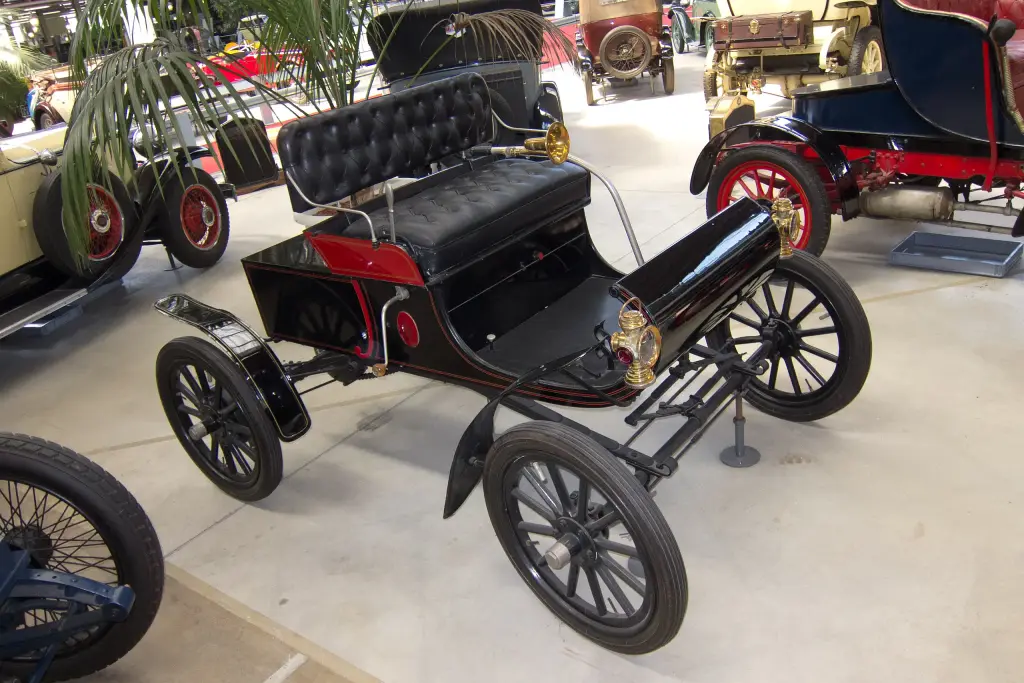
The Oldsmobile Model R, better known as the Curved Dash Oldsmobile, is credited as the first mass-produced automobile: it was built on an assembly line using interchangeable parts. Introduced in 1901 and produced through 1907, it was the car that made Oldsmobile a serious manufacturer.
Oldsmobile Curved Dash at a glance
| Maker | Olds Motor Works, Lansing, Michigan |
|---|---|
| Production | 1901–1907 |
| Class | runabout |
| Seats | two |
| Price | $650 |
| Engine | 1,560 cc water-cooled single cylinder, 5 hp |
| Carburettor | brass, gravity feed |
| Gearbox | two forward speeds and reverse, semi-automatic |
| Weight | 850 lb (390 kg) |
| Top speed | 20 mph (32 km/h) |
| Output | 425 in 1901, 2,500 in 1902, over 19,000 in total |
| Successor | Model 6C in 1904, then Model B |
Based on one source: the English Wikipedia article on the Oldsmobile Curved Dash.
History of the Oldsmobile Curved Dash
The fire that chose the car
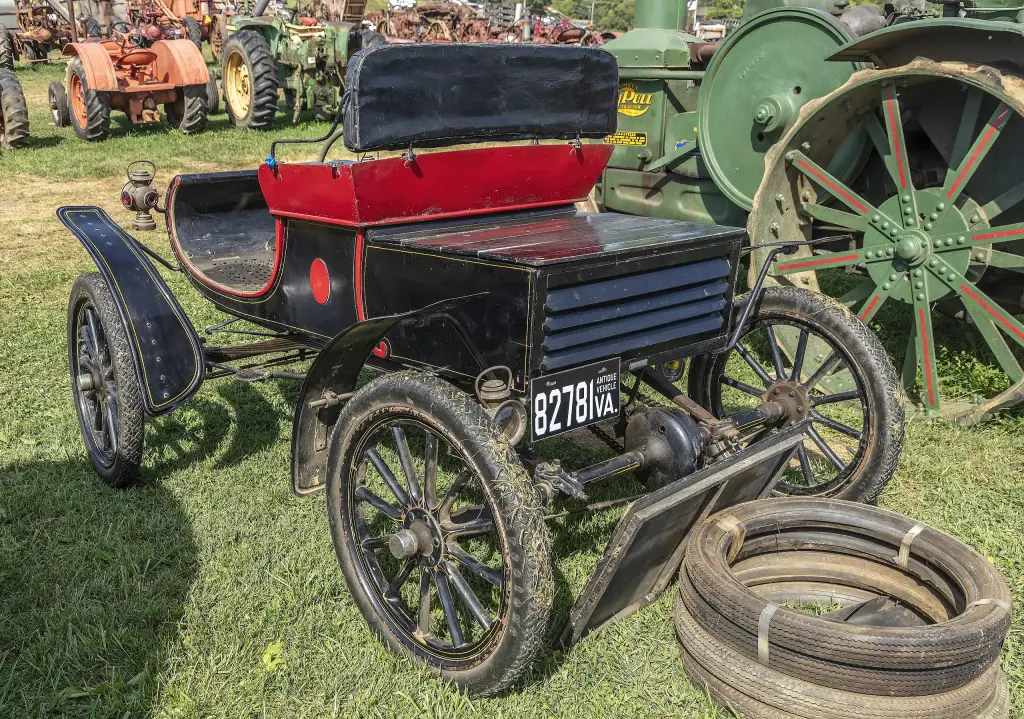
In 1901 a fire broke out in a building holding several Oldsmobile prototypes. Workers tried to push the cars out but managed to rescue only one, the Model R Curved Dash; the others burned before they could be approved for production, leaving the Curved Dash as the only design still intact. It went into production as a two-seat runabout with a flat-mounted water-cooled single-cylinder engine of 1,560 cc at the centre of the car, a brass gravity-feed carburettor and a semi-automatic two-speed gearbox with a planetary low gear and reverse. The car weighed 850 lb, used Concord springs and could reach 20 mph. At $650 it was cheaper than the $850 Ford Model C, though dearer than several small rivals, and it was intended as a city car for short journeys.
Model R, 6C and B
Output rose from 425 cars in 1901 to 2,500 in 1902 and more than 19,000 in total by the end of production. In 1904 the Model R gave way to the Model 6C with a larger 1,931 cc engine and drum brakes in place of the band brake; 2,234 were built before it was discontinued in December 1904. The Model B followed in 1905 with better cooling, a new flywheel, a handbrake acting on the differential, revised leaf-spring suspension and, from 1906, celluloid side curtains; about 6,500 were made. The Model F arrived in 1907 with further mechanical improvements.
Racing and the end
In 1902 Olds stripped a Model R down to an engine, a single seat and a radiator, mounted it on semi-elliptic springs and took it to Ormond Beach in Florida. Driven by Horace Thomas, the “Pirate” set a record of 54.38 mph in 1902 and 1903. When General Motors took over operations from Ransom E. Olds on 12 November 1908, it introduced the Oldsmobile Model 20, essentially a 1908 Buick Model 10 with a longer wheelbase and minor changes.
Design and features
- First mass production: assembly-line building with interchangeable parts, before the Model T.
- Simple single cylinder: a 1,560 cc engine of 5 hp mounted flat in the middle of the car.
- Curved dash: the body shape that gave the car its nickname.
- Cheap transport: $650 for a two-seat runabout aimed at short city journeys.
Oldsmobile Curved Dash versions
- Model R (1901–1904): the original Curved Dash.
- Model 6C (1904): 1,931 cc engine and drum brakes, 2,234 built.
- Model B (1905–1906): improved cooling and suspension, about 6,500 built.
- Model F (1907): the final development of the line.
- Pirate racer: a stripped Model R that set a 54.38 mph record at Ormond Beach.
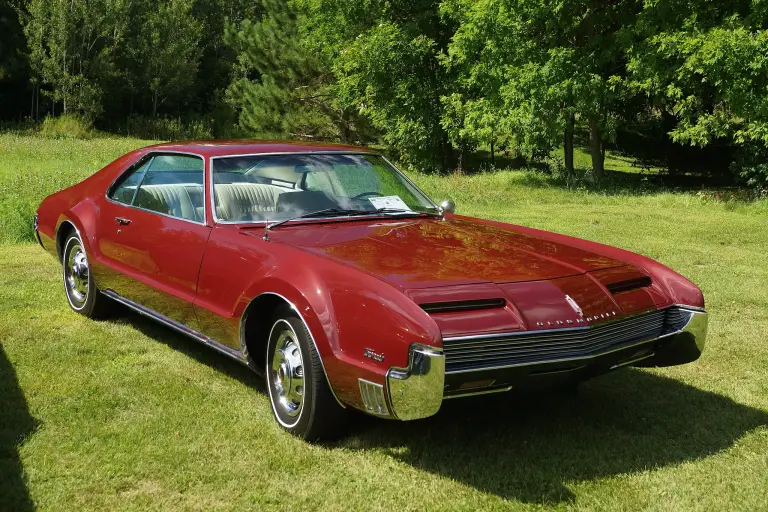
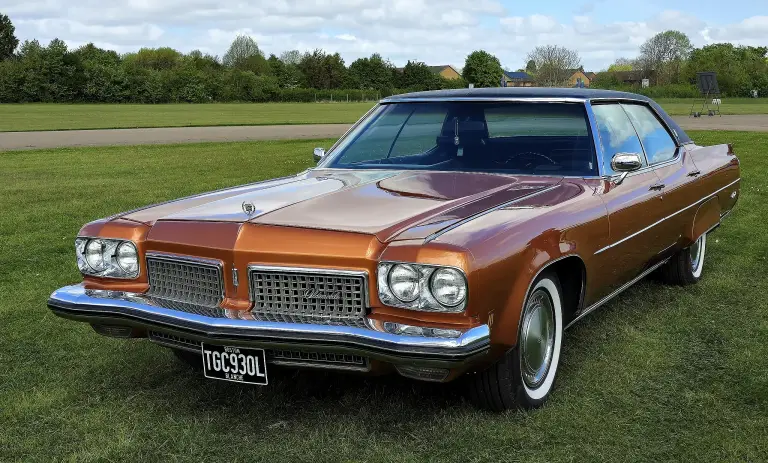
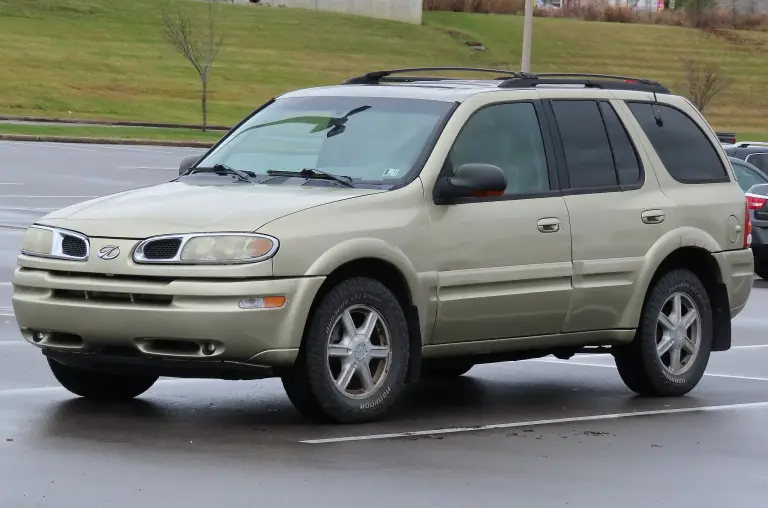
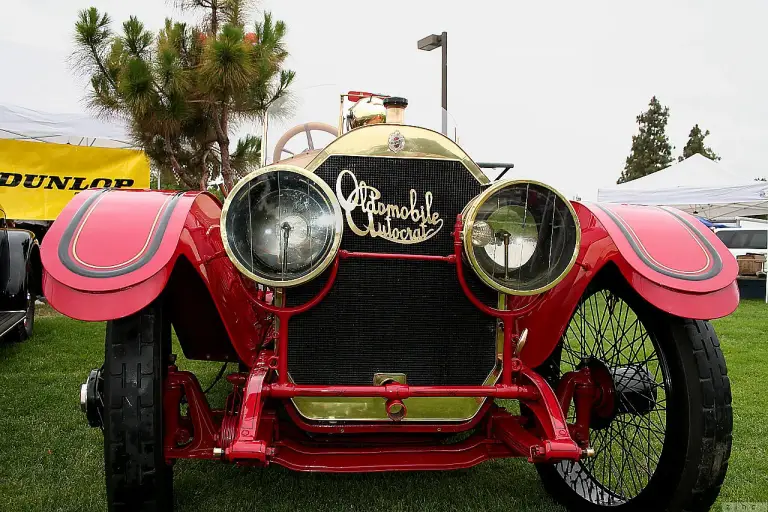
The Curved Dash was the car that established the make whose later models, from the Six to the 88, fill the Oldsmobile collection.
Sources
- Oldsmobile Curved Dash, English Wikipedia: production, price, engine, models, racing