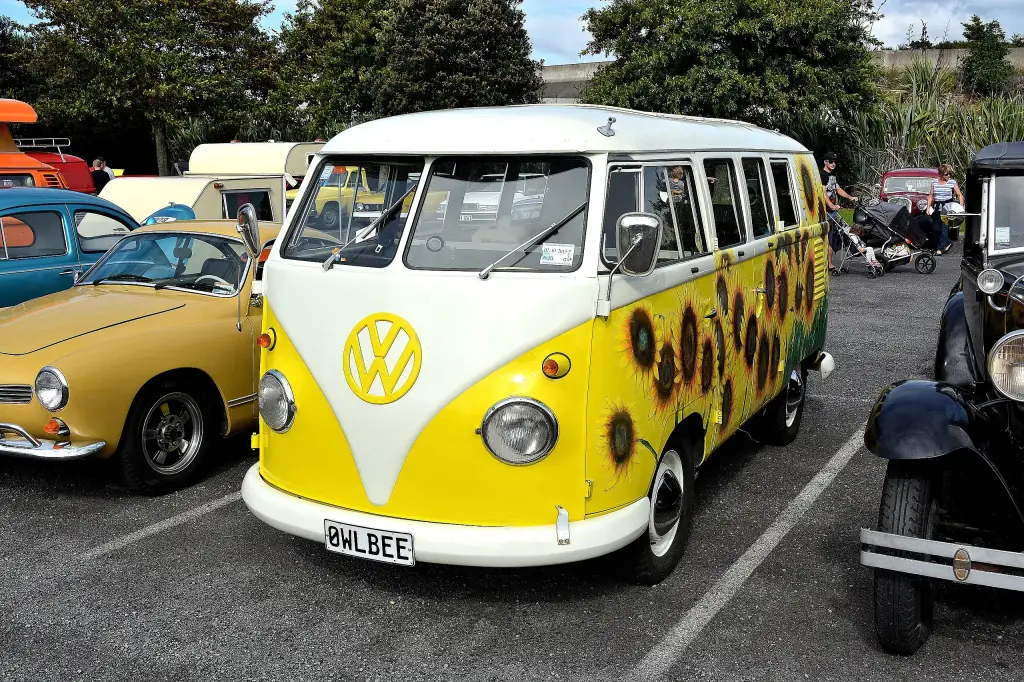
A motorhome is a house with an engine: a bed, a kitchen and a roof that travel with you. Here is how the idea grew from horse-drawn wagons into the Volkswagen camper and the modern van, which kind of vehicle suits which kind of trip, and where to point it.
The short version
A campervan is a van fitted out for sleeping and simple cooking. A motorhome is usually larger and more comfortable, often with a coachbuilt body. The smaller the vehicle, the easier it is to drive and park; the bigger it is, the more it feels like home.
From horse-drawn wagons to the first motorhomes
The first recreational vehicles were horse-drawn. The earliest purpose-built one known today is the Wanderer, built for the Scottish doctor and writer Gordon Stables by the Bristol Wagon Works Company in 1884. The world’s first caravan club, The Caravan Club in the UK, followed in 1907.
Engines arrived soon after. The first steam-driven motorhome was the French Quo Vadis of 1900, and the first petrol-driven one was the Passe Partout of 1902, also from France. Early “house cars” were usually converted goods trucks: heavy, noisy and expensive, so only wealthy owners or determined self-builders had them.

The van that changed the idea
The compact “one box” camper did not appear in numbers until the lightweight Volkswagen Kombi of 1950. Its popularity grew in the 1950s after Volkswagen commissioned the coachbuilder Westfalia to turn the Kombi version of the Type 2 transporter into a campervan. German sources add that the Westfalia camping box was one of the first interiors for a standard small van and could be lifted out again in a few moves.
In the UK the word “Dormobile”, after a once hugely popular conversion brand, is still used for such vans; in Australia and elsewhere the word is “Kombi”. Collectors call the Volkswagen generations by their shapes: the split-windscreen “splitty”, the “bay” and the boxy “bricky”.
Which kind of vehicle for which kind of trip
- Campervan (van conversion). A van with a pop-up or high roof, a small kitchen and a bed. Easy to park, cheaper to run, and usable as an everyday vehicle. Some have no built-in toilet or shower.
- Alcove motorhome. A sleeping nook sits over the cab. It makes good use of space at a fairly low price and copes well with winter, but it is tall.
- Partially integrated motorhome. The cab is part of the living area, so the driver’s seats can turn to face a table.
- Truck camper. A living cabin mounted on a pick-up. It can be taken off and left at the campsite, though the living space is tight.
- 4×4 camper. A camper built on an off-road vehicle, sometimes with a roof tent, for tracks where an ordinary van would not go.
Typical amenities range from a bed and a camping stove to a kitchen, bathroom, air conditioning and a satellite receiver. A campervan fridge may run on gas, battery or campsite mains power, and the lights usually run from a separate leisure battery.
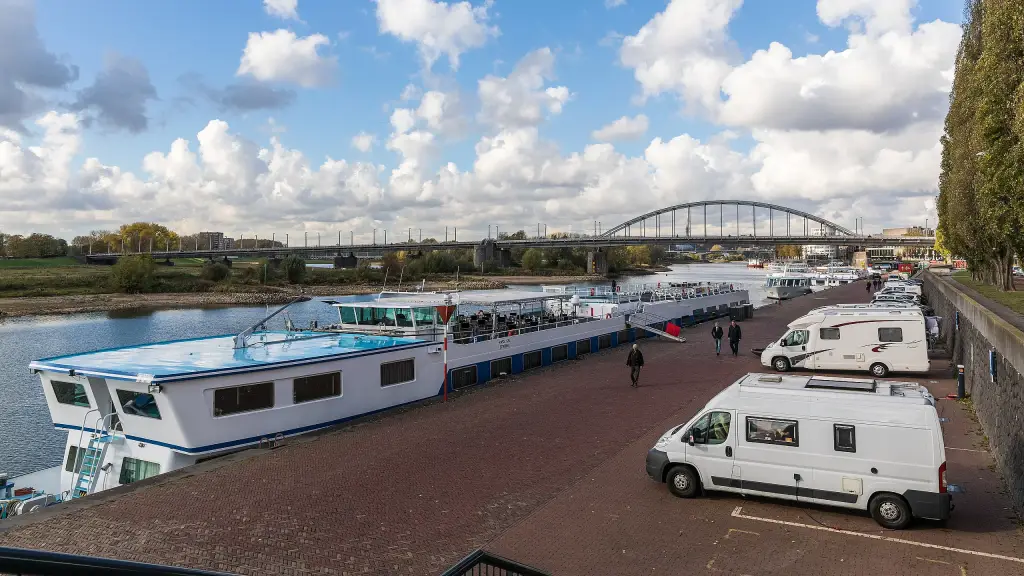
The American motorhome
In the United States the name that stuck was Winnebago. The company was founded in 1958 in Forest City, Iowa, by the local businessman John K. Hanson, and its first motorhome left the line in 1966. It sold for roughly half the price of competitors’ models, which helped it spread, and the brand name became a generic word for a motorhome, whether or not the vehicle was built by the company.
Van life: a trend with real-world limits
Living and travelling in a van is much older than the hashtag. The term “van dwellers” appears in the UK as early as 1889, and the 1950s to the 1970s had the hippie trail from Western Europe towards South Asia. The idealised #vanlife version spread through social media in the late 2010s and gained momentum during the COVID-19 pandemic, when many people converted vans themselves because they could not afford to buy a ready-made motorhome.
A conversion means insulating and lining the van, fitting furniture, electrics, windows and plumbing. Gas work must be done or certified by a qualified tradesperson, and insurance has to cover the vehicle as a van, during the conversion and as a finished camper. Rules also differ by place: many cities restrict overnight parking and sleeping in vehicles, so check local rules before you stop for the night.
Where to go
The best part of owning a camper is that the itinerary is open. If you want ideas for the route, our sister travel site Awesome Places to Visit collects travel guides, hidden gems, practical tips and destinations by region, from Europe and North America to Oceania. Pick a country, check the roads and campsite rules, and let the vehicle do the rest.
For more vehicles that are part of the story, browse our Classic Cars collection and the Volkswagen archive.
Sources
- Recreational vehicle, English Wikipedia.
- Campervan, English Wikipedia.
- Winnebago Industries, English Wikipedia.
- Van-dwelling, English Wikipedia.
- Wohnmobil, German Wikipedia.