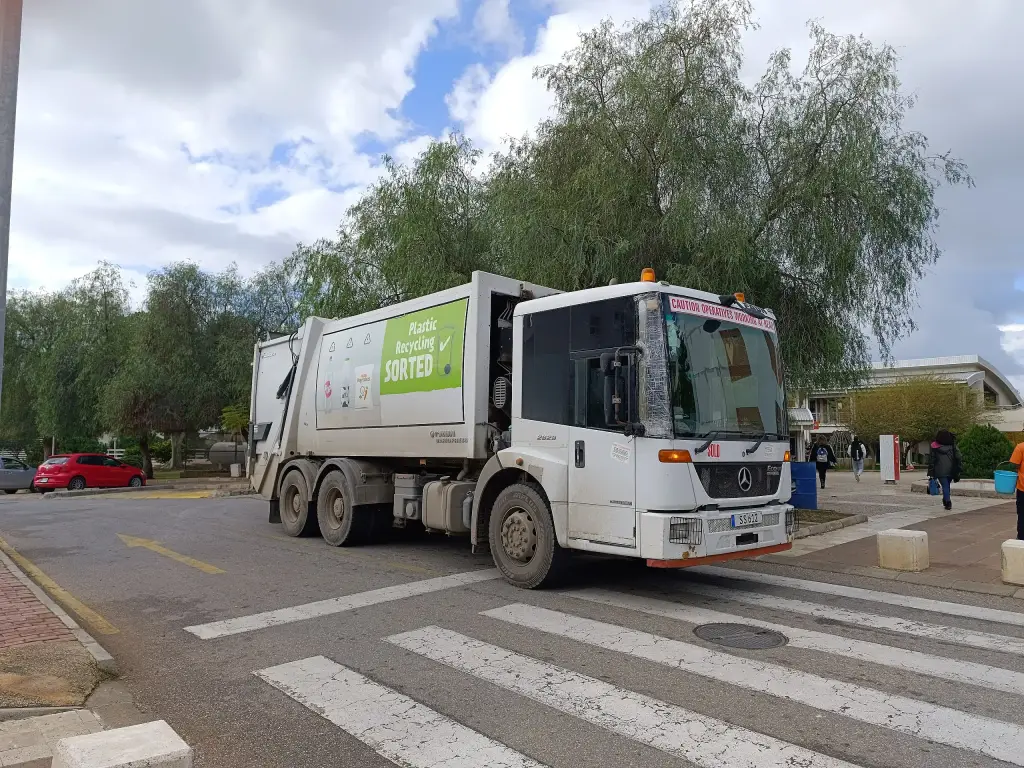
The Mercedes-Benz Econic is a low-entry truck introduced in 1998. It comes in weights of 18 and 26 tonnes and uses a turbocharged, intercooled six-cylinder inline diesel engine.
Mercedes-Benz Econic at a glance
| Introduced | 1998 |
|---|---|
| Type | low-entry truck |
| Weights | 18 and 26 tonnes |
| Engine | six-cylinder inline, turbocharged and intercooled |
| Main uses | refuse collection, fire and emergency services, airport ground service |
| Facelift | 2014, with new headlamps and a revised grille |
| Cab | low entry, so crews can step in and out quickly |
This article is based on one source, the English Wikipedia article on the Mercedes-Benz Econic.
History of the Mercedes-Benz Econic
The Econic was designed for work that involves frequent stops and crews getting in and out: refuse collection, fire and emergency services, and airport ground services. Its low-entry cab brings the floor close to the ground over the front wheels, which is why it became a common sight as a refuse truck in European cities.
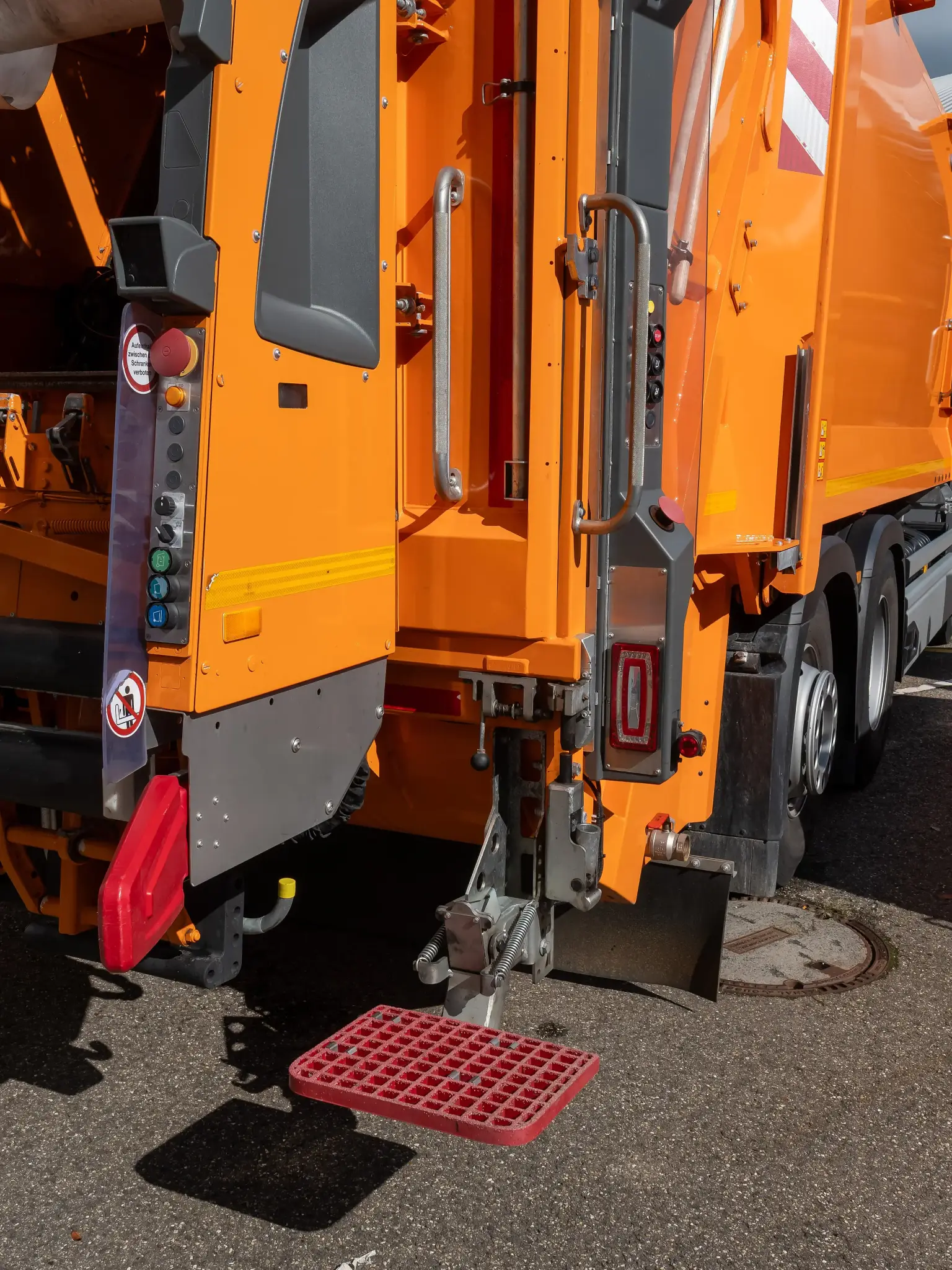
It is offered at 18 and 26 tonnes gross weight with a six-cylinder turbo diesel. In 2014 the truck received a facelift with new headlamps and a revised front grille. Battery-electric versions have since joined the range.
Design and features
- Low-entry cab: easy access for crews who leave the truck many times a day.
- Two weights: 18 and 26 tonnes.
- Six-cylinder diesel: turbocharged and intercooled.
- Specialist bodywork: refuse bodies, fire appliances and airport equipment.
Mercedes-Benz Econic versions
- Econic 18 t: the lighter version.
- Econic 26 t: the heavier version.
- 2014 facelift: revised front and headlamps.
- Electric version: battery-electric Econic for city work.
The Econic is a specialist truck alongside the Atego and Actros. More in the Mercedes-Benz collection.
Video: Mercedes-Benz Econic (2014)
Video by YouTube on YouTube.
Sources
- Mercedes-Benz Econic, English Wikipedia: introduction, weights, engine, uses, facelift