The MCW Metrorider was an integral midibus designed and built by Metro Cammell Weymann between 1986 and 1989. It arrived a year after the Optare CityPacer as only the second purpose-built midibus for the British market, and it survived its maker: Optare bought the rights and built it as the MetroRider until 2000.
MCW Metrorider at a glance
| Maker | Metro Cammell Weymann (MCW) |
|---|---|
| Production | 1986–1989 (by Optare until 2000) |
| Launched | 1986 British International Motor Show, Birmingham |
| Type | integral midibus |
| Engines | Perkins Phaser, Cummins B series, optional turbocharged Cummins |
| Cummins output | 115 bhp, 5.9 litres |
| Gearboxes | ZF manual S5, Allison automatic |
| Seats | 25 standard, 33 long-wheelbase |
| Long-wheelbase size | 8.4 m long, 2.375 m wide |
| Brakes | disc on long-wheelbase, drum on short |
| Orders before production | £27 million |
| Successor | Optare MetroRider |
Based on one source, the English Wikipedia article on the Metrorider.
History of the MCW Metrorider
A purpose-built midibus for deregulation
The Metrorider was launched at the 1986 British International Motor Show in Birmingham, a year after the Optare CityPacer, which was based on the Volkswagen LT55, and it was only the second purpose-built midibus design for the British market. MCW used substantial components: the Perkins Phaser and ZF manual S5 driveline was soon outsold by the optional 115 bhp six-cylinder 5.9-litre Cummins B series engine driving through an Allison fully automatic gearbox, and some Metroriders had an optional turbocharged Cummins that improved their turn of speed. Long-wheelbase vehicles had disc brakes where the short ones used drums.
The styling was a major advance on the van-based conversions that had come before, with a raked front, large windscreen and side windows, shallower steps, a wider entrance and gangway and better headroom. Seating ran from 25 in the standard Metrorider to 33 in the widened long-wheelbase version, which measured 8.4 metres long and 2.375 metres wide. As with many MCW products, parts came from other makers’ stocks: the dashboard and steering wheel were from a Ford Cargo lorry and the original rear lights from the Mk4 Ford Escort Cabriolet.
Built for the new bus market
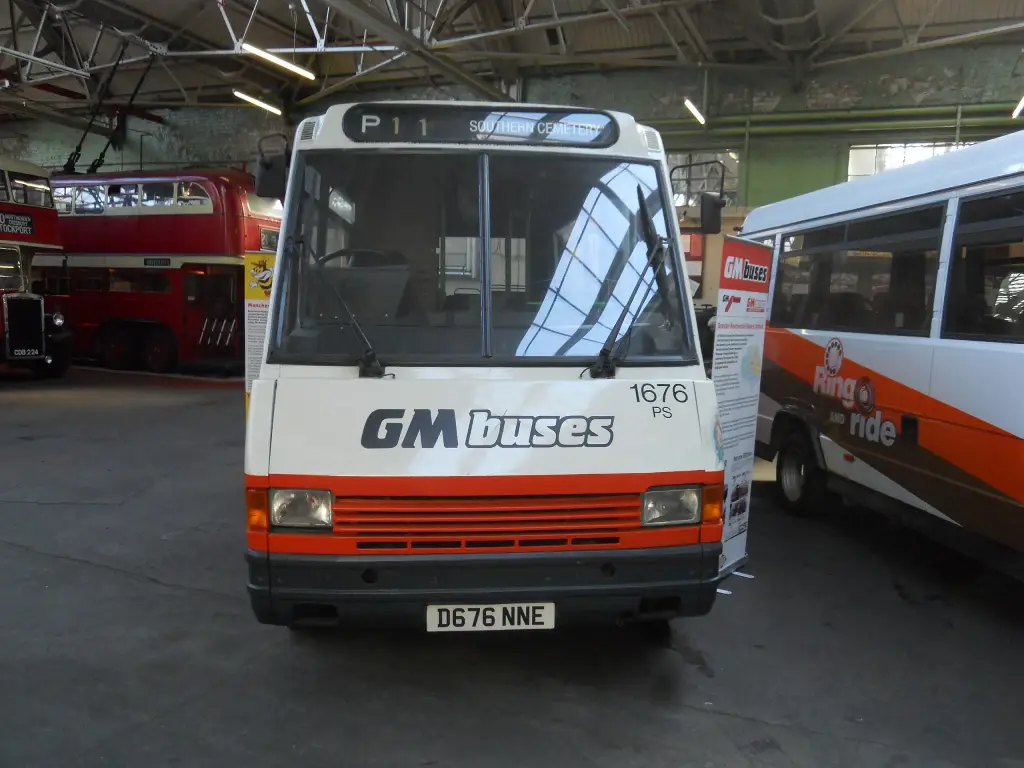
The Metrorider suited Britain’s newly deregulated bus industry and received £27 million worth of orders before production began. The first major order after the launch came from GM Buses, which took eighty for its competitive Little Gem midibus operations. Further orders followed from former municipal and National Bus Company operators and from new independent companies, with deliveries to London Buses, South Wales Transport, Wilts & Dorset and East Midland Motor Services among others. Deregulation opened rural as well as urban work, and the midibus was sold for both.
Export business also came: the Dutch coachbuilder Bova signed with MCW in 1987 to sell long-wheelbase right-hand-drive Metroriders in continental Europe, smaller numbers went to Ireland for Dublin Bus, and in 1988 two air-conditioned examples went to China Motor Bus in Hong Kong with another to Kowloon Motor Bus. When MCW’s parent group announced the closure of the company in 1989, the designs were offered for sale and Optare bought the rights to the Metrorider together with those of the Metrobus. The final MCW Metrorider was built by Optare at its Leeds factory in November 1989 for Kentish Bus, which ran it on a London Regional Transport contract through the Rotherhithe Tunnel, and the type continued as the Optare MetroRider until 2000.
Design and features
- Purpose-built midibus: only the second such design for Britain, after the Optare CityPacer.
- Light interior: a raked front and large windows, with shallower steps and a wider gangway.
- Cummins power: the 5.9-litre B series with an Allison automatic outsold the Perkins and ZF manual.
- Two lengths: 25 seats standard, 33 in the widened 8.4-metre long-wheelbase version.
- Borrowed parts: a Ford Cargo dashboard and steering wheel, Mk4 Escort Cabriolet rear lights.
MCW Metrorider versions
- Short-wheelbase Metrorider: 25 seats, drum brakes.
- Long-wheelbase Metrorider: 8.4 m, 33 seats, disc brakes, sold in Europe through Bova.
- Turbocharged Cummins version: optional engine with a higher top speed.
- Hong Kong examples: two air-conditioned buses for China Motor Bus and one for Kowloon Motor Bus.
- Optare MetroRider: the same design built by Optare from 1989 to 2000.
The Metrorider was sold alongside the larger MCW Metrobus double-decker and the Metroliner coach, and both bus designs passed to Optare in 1989. More buses are in the MCW collection.
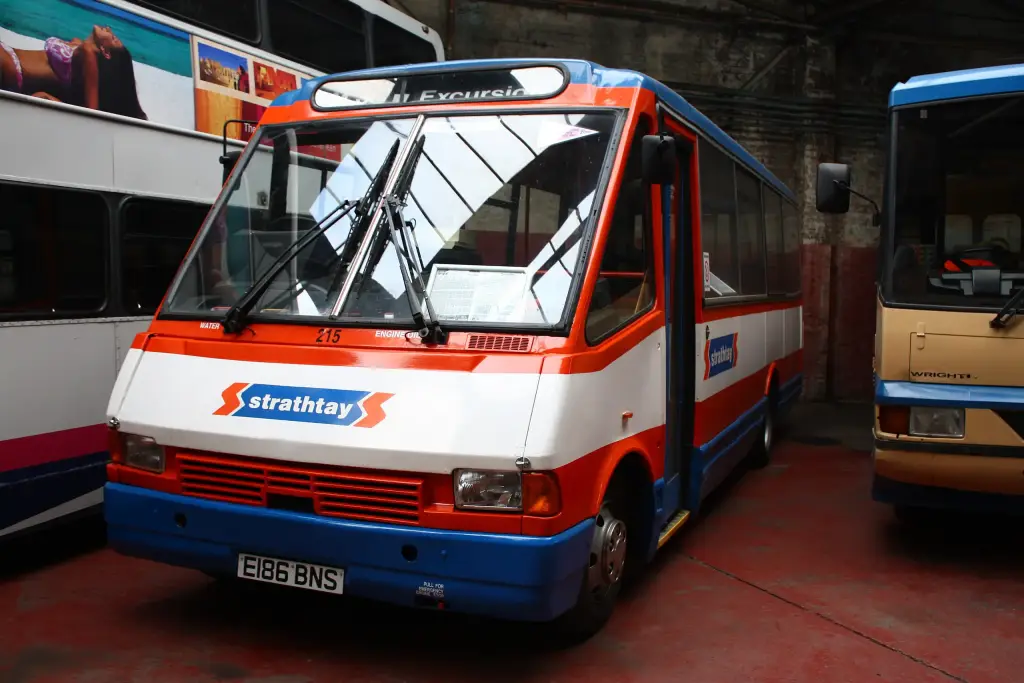
Video: A ride aboard Strathtay MCW Metrorider E186 BNS
Video on YouTube.
Sources
- MCW Metrorider, English Wikipedia: design, engines, operators, Optare takeover