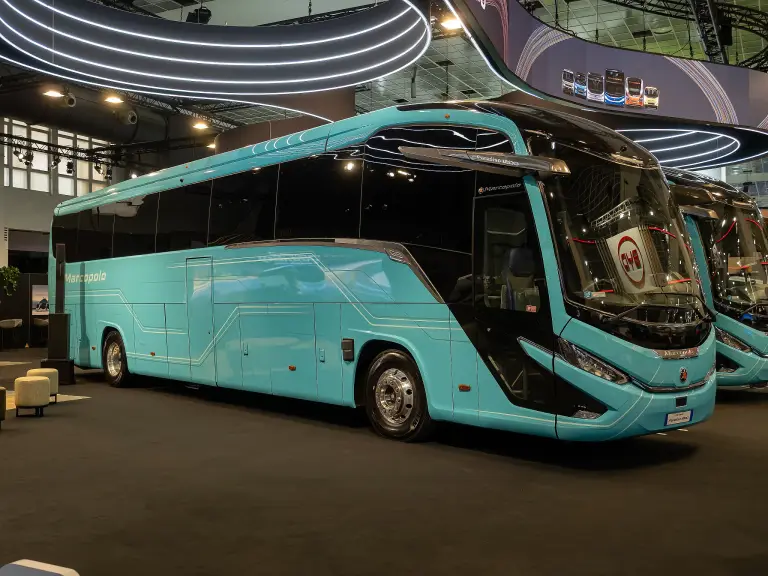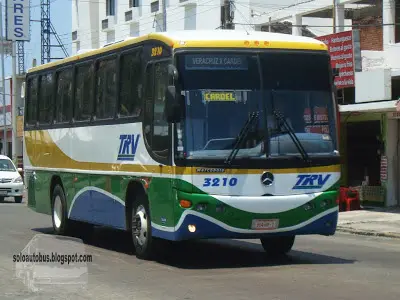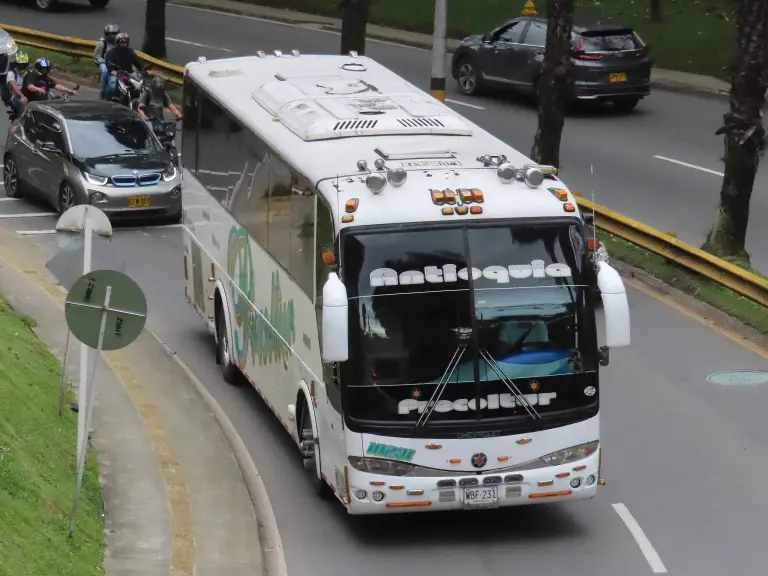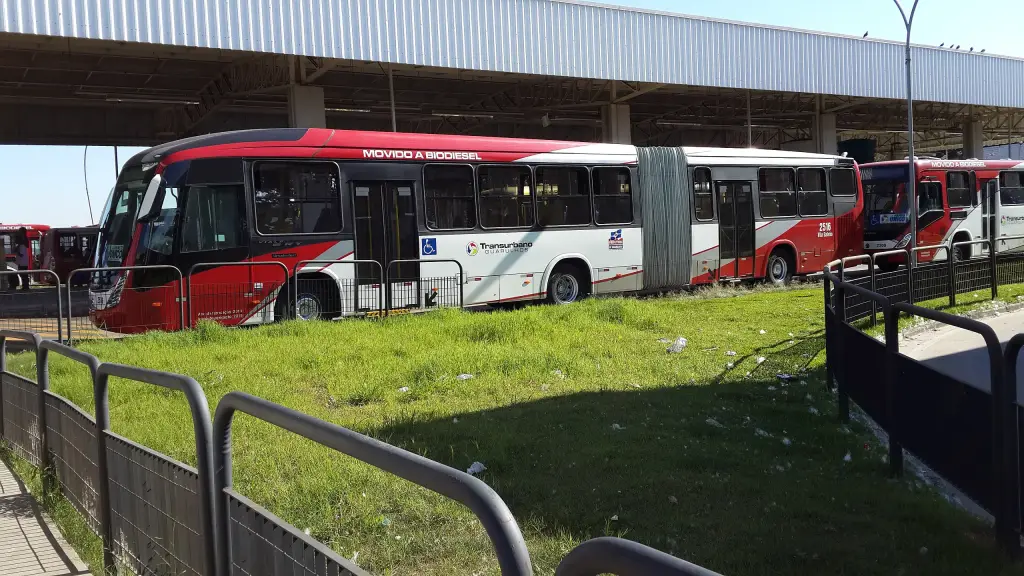
The Marcopolo Viale BRT and BRS is a city bus body built by Marcopolo in Brazil and created with Bus Rapid Transit systems in mind after two years of research and development. It is considerably taller than an ordinary city bus, which increases space and ventilation inside, and it was the first Brazilian urban bus with daytime running lights. In 2014 it received the iF Product Design Award in Munich.
Marcopolo Viale at a glance
| Type | urban bus body for BRT and BRS systems |
|---|---|
| Builder | Marcopolo, Brazil |
| Development | two years of research before the launch |
| Body lengths | 12–15 m conventional, 21 m articulated, 28 m biarticulated |
| Capacity | 107 conventional, 180 articulated, 270 biarticulated |
| First in Brazil | first national urban bus with daytime running lights |
| Prizes | iF Product Design Award 2014 and Brasil Design Award 2014 |
| Hybrid chassis | Volvo B215RH |
| Hybrid power | 215 hp biodiesel engine and 160 hp electric motor, 375 hp combined |
| Exported to | Guatemala, Ghana, Colombia and other markets |
| Main rivals | CAIO Millennium BRT, Comil Doppio BRT, Neobus Mega BRT, Mascarello GranMetro |
Based on one source, the Portuguese Wikipedia article on the Viale BRT; the article covers the BRT and BRS versions of the Viale.
History of the Marcopolo Viale
Design and launch
The Viale BRT was created for Bus Rapid Transit systems after two years of research and development, and is described as the most technologically advanced city bus in Brazil. Its body is considerably taller than that of a conventional city bus, which gives passengers more room and better ventilation. The main market is the large urban centres of Brazil, but the bus has also been exported to Guatemala, Ghana and Colombia, among other countries.
Body types
The Viale BRT, also sold as the BRS, comes as a conventional, articulated or biarticulated body. The conventional version is 12 to 15 metres long depending on the chassis, which can be a 4×2 such as the Volvo B215RH at up to 13.2 metres or a 6×2 with a steering rear axle such as the Scania K310 at 15 metres, for up to 107 passengers. The 6×2 articulated body reaches 21 metres, with a pusher layout such as the 19-metre Mercedes-Benz O-500 MA or a puller layout such as the 21-metre Volvo B340M; a superarticulated 8×2 with steered rear axle, the 23-metre Mercedes-Benz O-500 MDA, carries 180 passengers and more than 200 respectively. The 28-metre biarticulated body takes 270 passengers and is one of the longest buses in the world.
Equipment
Standard and optional equipment varies from model to model and includes air conditioning, bonded glass, security cameras, Wi-Fi, digital television and LED lights front, rear and inside, plus daytime running lights. The bus will not move with the doors open and can be given an audible warning before they close. The driver works with an LCD screen showing the door cameras, a trip computer, a reversing camera, GPS and electric adjustment of the mirrors, seat and, depending on the chassis, the steering wheel, and cannot drive without a seatbelt. A Marcopolo fleet management system can log speed, fuel use, position and distance to the next station.
Hybrid version
On a Volvo B215RH chassis the Viale BRT is offered as a hybrid, with a 215 hp biodiesel engine and a 160 hp electric motor. The electric motor works alone up to 20 km/h, after which the diesel engine starts and the two run together; the combined 375 hp makes the hybrid livelier than most articulated buses. Regenerative braking recovers energy, and Marcopolo quotes 90 per cent less pollution, 35 per cent less fuel and much lower noise than a conventional bus, at a price up to 60 per cent higher.
Recognition (2014)
In 2014 the Viale BRT won the iF Product Design Award in the transport category in Munich, the first time a bus maker from outside Europe had taken the prize; the award had been running since 1953 and that year drew more than 4,600 entries from 55 countries. The same year it received the Brazilian Brasil Design Award in the transport product category.
Design and features
- Built for BRT: a taller body than a conventional city bus, with more space and better ventilation for passengers.
- Four lengths: conventional bodies of 12 to 15 metres, articulated of 21, superarticulated of 23 and biarticulated of 28 metres.
- Daytime running lights: the first Brazilian urban bus to have them.
- Driver aids: door cameras, GPS, trip computer and a seatbelt interlock, plus an optional fleet management system.
- Hybrid option: 375 hp combined from a biodiesel engine and an electric motor, with regenerative braking.
Marcopolo Viale versions
- Conventional: 12 to 15 metres on 4×2 or 6×2 chassis, up to 107 passengers.
- Articulated: 21 metres with pusher or puller engine layout, 180 passengers.
- Superarticulated: 23 metres on an 8×2 chassis with steered rear axle.
- Biarticulated: 28 metres and 270 passengers, one of the longest buses in the world.
- Hybrid: Volvo B215RH chassis with a 215 hp biodiesel engine and a 160 hp electric motor.
The Viale followed the Torino, whose 1999 version is considered its forerunner, and shares the Marcopolo range with the long-distance Paradiso. More buses are in the Marcopolo collection.
Sources
- Marcopolo Viale BRT, Portuguese Wikipedia: design, body types, equipment, hybrid, prizes