The Marcopolo Torino is a family of urban bus bodies built by Marcopolo in Rio Grande do Sul since 1983, when it replaced the Veneza II. The first model was inspired by the Sanremo II, and the line has since passed through the G4, the 1989 LN, the GV, the 1999 and 2007 versions and the 2014 model. It is one of the oldest bus bodies still in production in Brazil and has been fitted to front-, rear- and centrally engined chassis for more than thirty years.
Marcopolo Torino at a glance
| Type | urban bus body |
|---|---|
| Builder | Marcopolo, Caxias do Sul, Rio Grande do Sul |
| Produced | since 1983 |
| Replaced | Veneza II |
| First generation | Torino G3, March 1983 |
| Second generation | Torino G4, 1984–1988 |
| 1989 restyle | Torino LN |
| 1994 | Torino GV, also called G5 |
| 1997–1998 | Torino LS for Curitiba and the Torino Low-Entry |
| 1999 | restyled Torino, known as G6 or GV2 |
| 2007 and 2014 | Torino 2007 (G7) and Torino 2014 (New Torino, G8) |
| 2017 | Torino S |
| Chassis | front, rear and central engines; Iveco, Mercedes-Benz, Volkswagen, Scania, Volvo and Agrale |
Based on one source, the Portuguese Wikipedia article on the Marcopolo Torino.
History of the Marcopolo Torino
Torino G3 (1983)
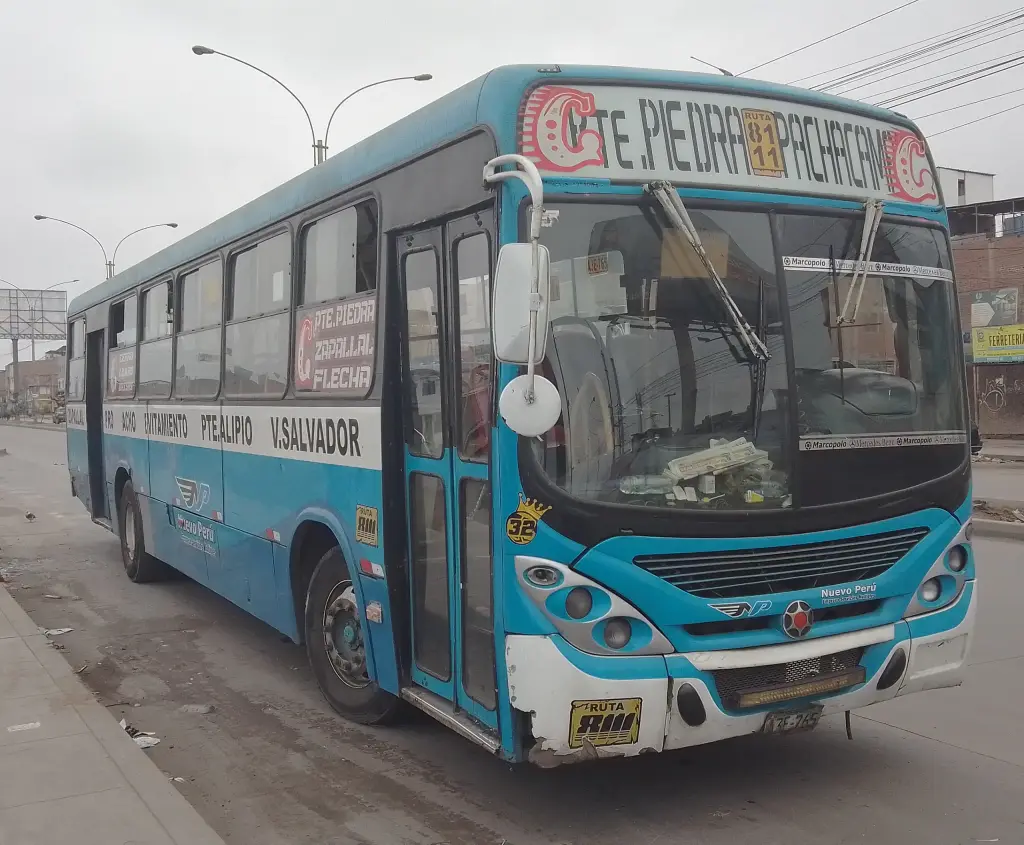
The first Torino was developed from a prototype built at the Eliziário plant in Porto Alegre, which by then belonged to Marcopolo, but series production began at the company’s headquarters in the Planalto district of Caxias do Sul. The body was presented in March 1983 under the slogan Sistema Tecnológico de Transportes, together with the Viaggio and Paradiso coaches, and replaced the Veneza II of 1974. It was almost identical to the Sanremo II and followed the Projeto Padron study started in 1978; its driver window was considered small and the rear number plate sat on the bumper.
Torino G4 and LN (1984–1989)
In 1984 the Torino gained a larger driver window and a rear plate moved between the tail lights; this version, built until 1988, is known as the G4. The 1989 restyle brought a new driver window design, new front and rear lights and a new door opening system, and was sold as the Torino LN. It arrived in a crowded market that also had the Caio Vitória, the Thamco Scorpion and the Nielson Urbanus.
GV, LS and Low-Entry (1994–1998)
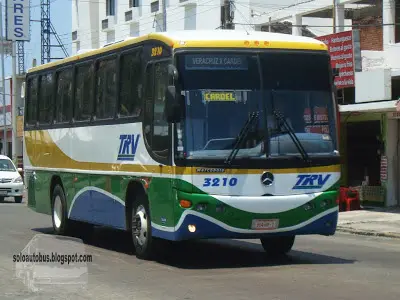
The Torino GV, or G5, was launched in 1994 with a new front and rear layout, an optional brake light and the Marcopolo name in relief; the brake light became standard in 1997. That year Marcopolo also built the Torino LS (Long Size) for Curitiba, with an interior height of 2.20 metres, 30 cm more than the first cars, and a one-piece fibreglass roof that removed the rivets and cut weight. Other cities, including São Paulo, bought it too. In 1998 came the Torino Low-Entry, one of the first low-floor buses in Brazil.
Torino 1999 and 2007
At the end of 1998 the Torino received a small restyle of its headlights and tail lights while keeping the sides and interior almost unchanged; this version is known as the Torino 1999, G6 or GV2, though it carried only the name Torino. It is considered the forerunner of the Viale, and after Marcopolo bought part of Ciferal it gained a cousin in the Ciferal Turquesa. The 2007 model, known as the G7, was inspired by the Gran Viale, the Ciferal Citmax and the Neobus Mega 2006, and was updated inside in 2013.
Torino 2014 and S (2013–2017)
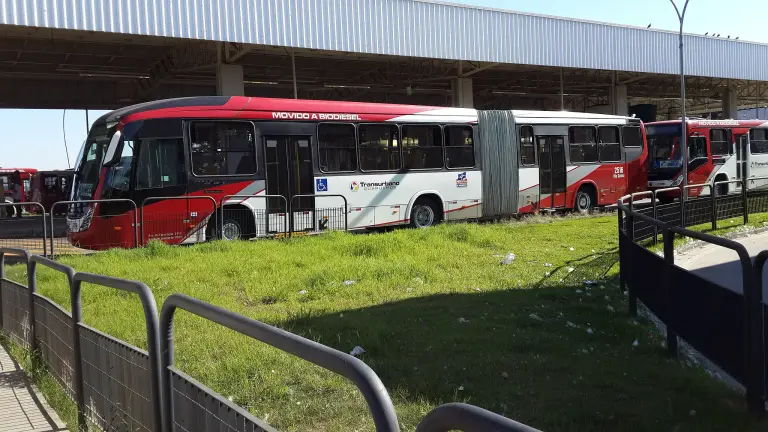
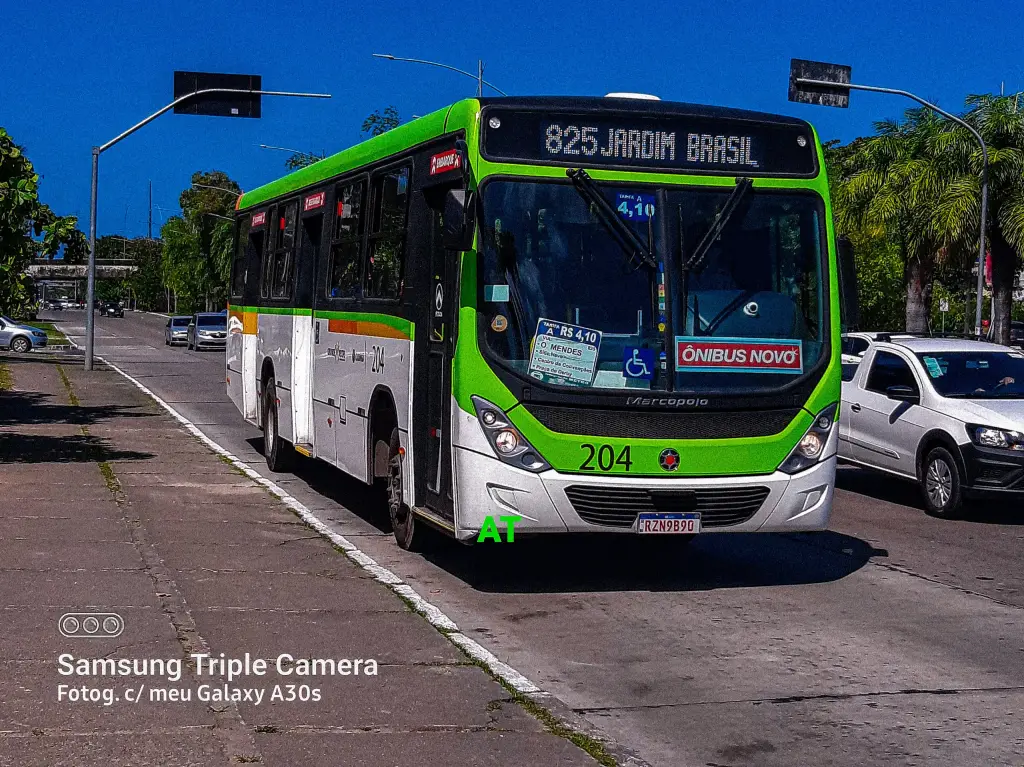
The Torino 2014, also called the New Torino or G8, arrived at the end of 2013 and was the most radical change of the line. It was wider, was inspired by the Viale BRT and introduced a wireless bell, controls on a 3.5-inch touchscreen and, for the first time on a Marcopolo model, LED tail lights. In 2015 came rear-engined, low-entry and articulated Torino Express versions, on Iveco, Mercedes-Benz, Volkswagen, Scania F250HB, Volvo B270F and Agrale MA 15/MA 17 chassis. The Torino S of 2017 changed the front and rear lights and moved the rear plate above the bumper, between the lights.
Design and features
- More than forty years in production: the Torino has been built since 1983 and has run on front-, rear- and central-engine chassis.
- Long Size and Low-Entry: the 1997 LS brought a 2.20-metre interior and a one-piece roof, and the 1998 Low-Entry was one of Brazil’s first low-floor buses.
- LED lights: the Torino 2014 was the first Marcopolo model with LED tail lights.
- Touchscreen and wireless bell: driver controls moved to a 3.5-inch screen in the 2014 model.
- Articulated version: the Torino Express joined the range in 2015.
Marcopolo Torino versions
- G3 (1983): the original, close to the Sanremo II, with a small driver window.
- G4 (1984–1988): larger driver window and the plate moved between the tail lights.
- LN (1989): new driver window, new lights and a new door system.
- GV (1994) and LS (1997): the G5 with revised front and rear, and the Long Size for Curitiba.
- 1999 and 2007: the restyled G6, forerunner of the Viale, and the G7 inspired by the Gran Viale.
- 2014 and S (2013–2017): the wider New Torino with LED lights, and the Torino S with revised lights.
The Torino shared its 1983 launch with the Paradiso coach and led to the Viale city bus. More buses are in the Marcopolo collection.
Video: Marcopolo Torino 2014 OF-1724L BlueTec5 padron
Video by Canal Club Mundo Rodoviário on YouTube.
Sources
- Marcopolo Torino, Portuguese Wikipedia: generations, production sites, versions