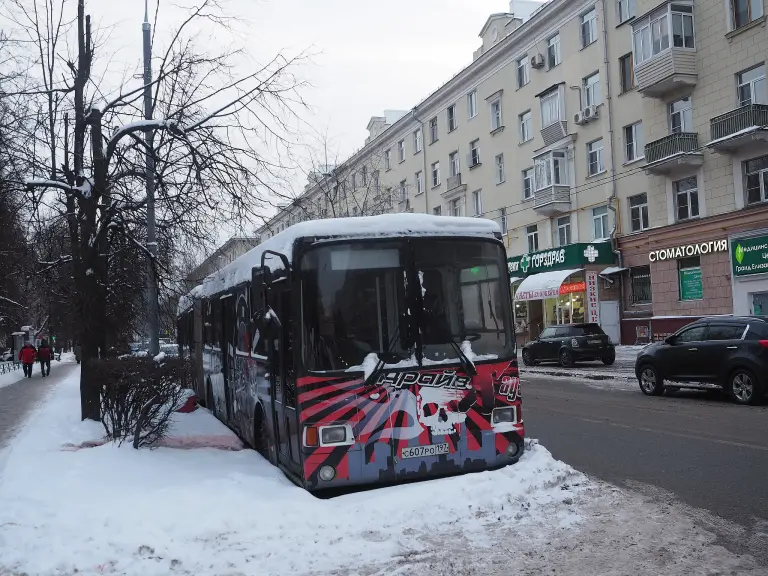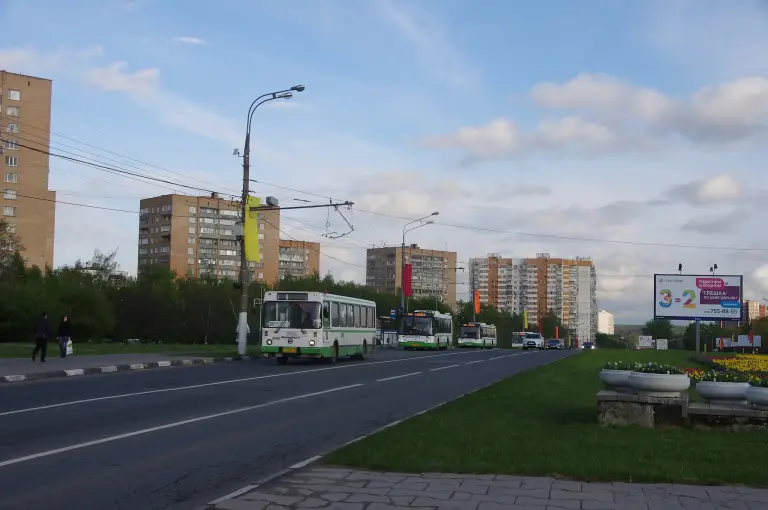
The LiAZ-158 was the ZiL-158V city bus built by the Likinsky Bus Plant from 1959 to 1970. It carried the main load of Soviet city bus fleets in the 1960s and early 1970s and gave way only to the LiAZ-677.
LiAZ-158 at a glance
| Maker | ZiL (1957–1960), LiAZ (1959–1970) |
|---|---|
| Production | 1957–1970 |
| Predecessor | ZiS-155 |
| Successor | LiAZ-677 |
| Class | city bus |
| Capacity | 60 passengers, 32 seats |
| Body | load-bearing wagon type, 770 mm longer than the ZiS-155 |
| Engine | petrol, 9 per cent more powerful than in the ZiS-155 |
| Gearbox (158V) | ZiL-164A, final drive 7.63 |
| Built | 9,515 at ZiL, more than 62,350 in all |
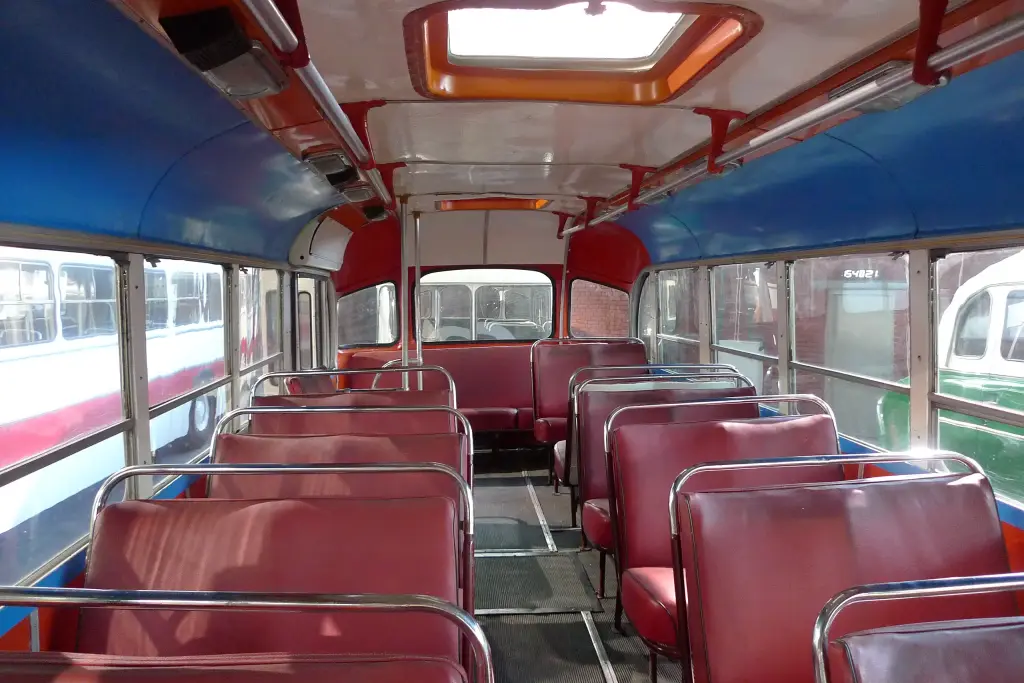
LiAZ-158 is the bus known in factory documents as the ZiL-158V built by the Likinsky Bus Plant; this page uses the English and Russian Wikipedia articles on the ZiL-158. The museum photographs show a ZiL-158.
History of the LiAZ-158
From the ZiS-155
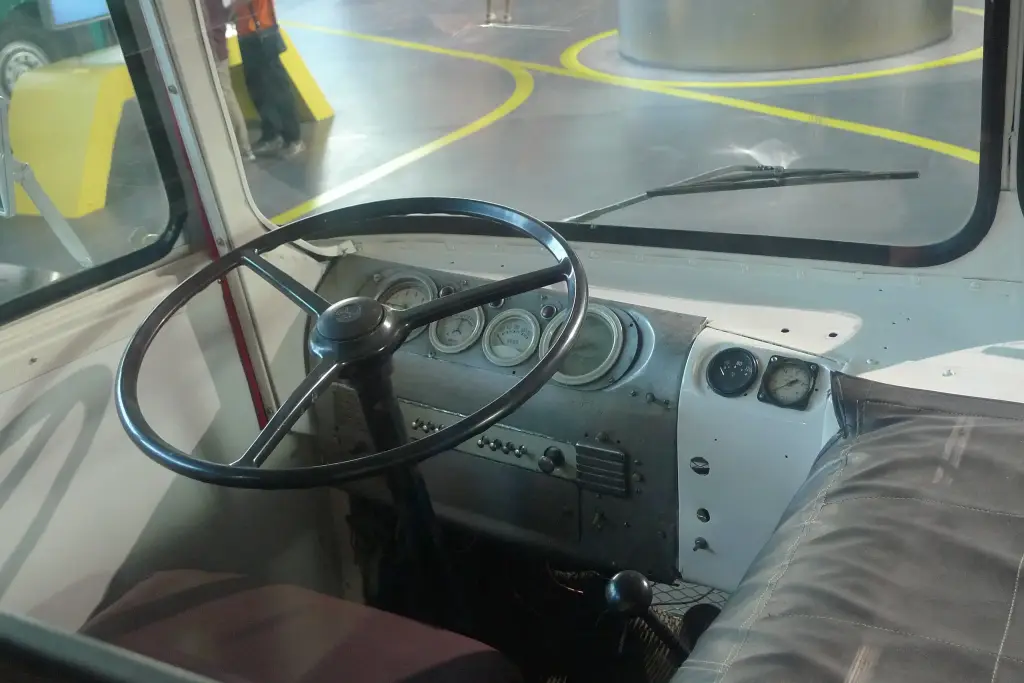
The 158 was a modernisation of the ZiS-155. Its body was 770 mm longer, nominal capacity rose to 60 passengers with 32 seats, and the front and rear masks, side windows and engine were revised, the engine gaining nine per cent more power. The first example was built in June 1956. Production at the Likhachev plant ran from 1957 to March 1960 and finished with factory number 9,515; a pilot batch of 180 buses was built in May 1957 for the Sixth World Festival of Youth and Students.
Built at LiAZ
As Soviet cities needed more large buses and ZiL was shifting capacity to trucks, production moved to the Likinsky Bus Plant, which assembled the type from 1959 to 1970. LiAZ output grew from 213 buses in 1959 to 5,419 in 1963 and 7,045 in 1969, and more than 62,350 were built in all. In 1961 the plant began the modernised ZiL-158V with a single-plate clutch, a ZiL-164A gearbox, a different final drive ratio of 7.63 instead of 9.28 and a new brake valve. In industry documents the bus built at Likino was called the ZiL-158V produced by the Likinsky Bus Plant; the plate under the bonnet read LiAZ ZiL-158, so “LiAZ-158” is a later habit rather than a factory designation.
Service
The 158 was the main city bus of the Soviet Union in the 1960s and early 1970s. In Moscow the type dominated the fleets from the late 1950s until 1974 and the last examples were withdrawn in 1978; Minsk retired its buses in 1977 and Leningrad in 1978, while some provincial cities kept them into the early 1980s. Body strength was the weak point, limiting service life to eight or ten years. The arrival of the LiAZ-677 pushed the 158 out, although faults in the new bus’s automatic gearbox kept the older model in production until January 1971; the very last example was built in May 1973 for an exhibition at NAMI.
Design and features
- Front engine: the engine sat to the right of the driver and drove the rear axle through a cardan shaft with two support bearings.
- Outward doors: passenger doors opened outwards, a constant complaint in wet weather.
- Riveted body: duralumin panels were fixed to the frame with 4,575 five-millimetre rivets.
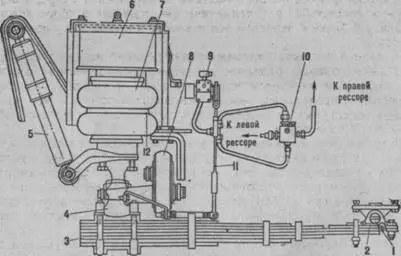
- Spring suspension: leaf springs on threaded pins, with lever shock absorbers and telescopic units near the end of production.
- Bus trains: in 1959–1961 a 158 tractor unit worked with an Aremkuz-2PN-4 trailer in Moscow.
LiAZ-158 versions
- ZiL-158 (1957–1960): built at the Likhachev plant.
- ZiL-158V (from 1961): new clutch, gearbox, final drive and brake valve.
- LiAZ-built 158V (1959–1970): the same bus assembled at Likino.
- Bus train: a 158 with the Aremkuz-2PN-4 trailer, used in Moscow in 1959–1961.
- Mobile television stations: special bodies on the 158 base, some in use until the late 1980s.
The 158 was replaced by the LiAZ-677, which in turn gave way to the LiAZ-5256; more buses are in the LiAZ collection.
Sources
- ZiL-158, English Wikipedia: production years and totals
- ЗИЛ-158, Russian Wikipedia: history, 158V changes, construction, service