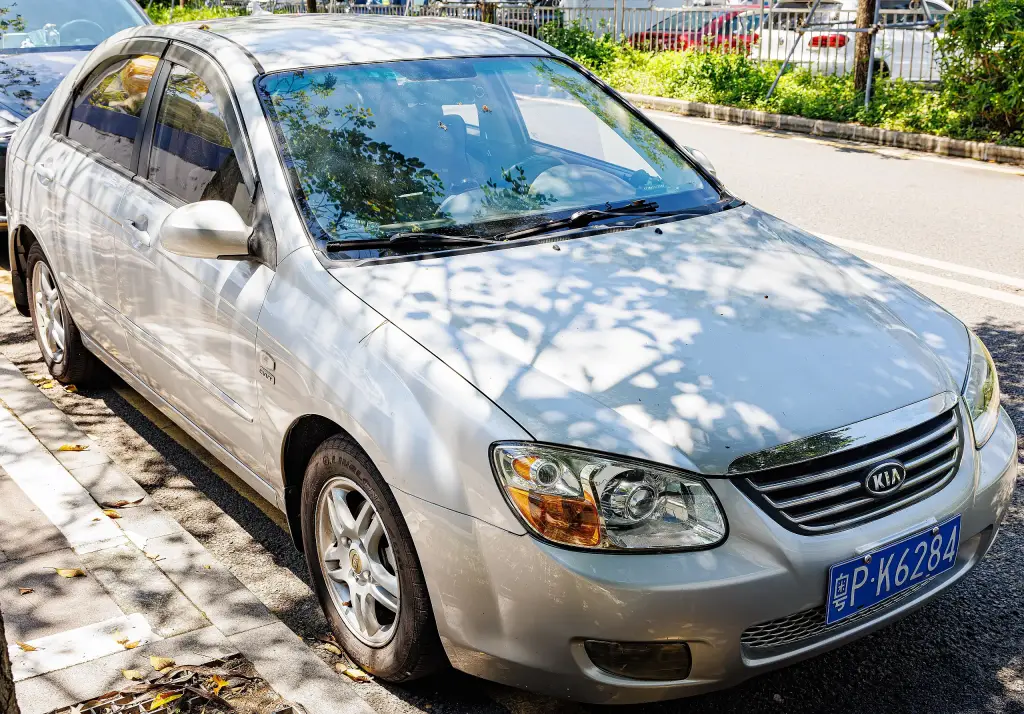
The Kia Cerato is a compact car that Kia has produced since 2003. Its name changes with the market: Forte in North America, K3 in South Korea, Cerato in Australia, the Middle East and Latin America, and Shuma in China.
Kia Cerato at a glance
| Maker | Kia |
|---|---|
| Production | since 2003 |
| Also called | Forte, K3, Shuma, Spectra (first generation) |
| First generation | LD, 2003–2008 |
| Second generation | TD, 2008–2013 |
| Third generation | YD, from 2012 |
| Fourth generation | BD, from 2018 |
| Platform, first generation | shared with the Hyundai Elantra XD |
| Engine, first generation | Hyundai Beta II G4GC four, with CVVT |
| Bodies | four-door sedan, five-door hatchback, two-door coupe |
History of the Kia Cerato
The first-generation Cerato arrived in Korea in 2003. It shared its platform with the Hyundai Elantra of the XD series and used Hyundai’s Beta II G4GC four-cylinder engine with continuously variable valve timing. In Korea it replaced both the Sephia and Mentor saloons and the Shuma hatchback.
Names by market
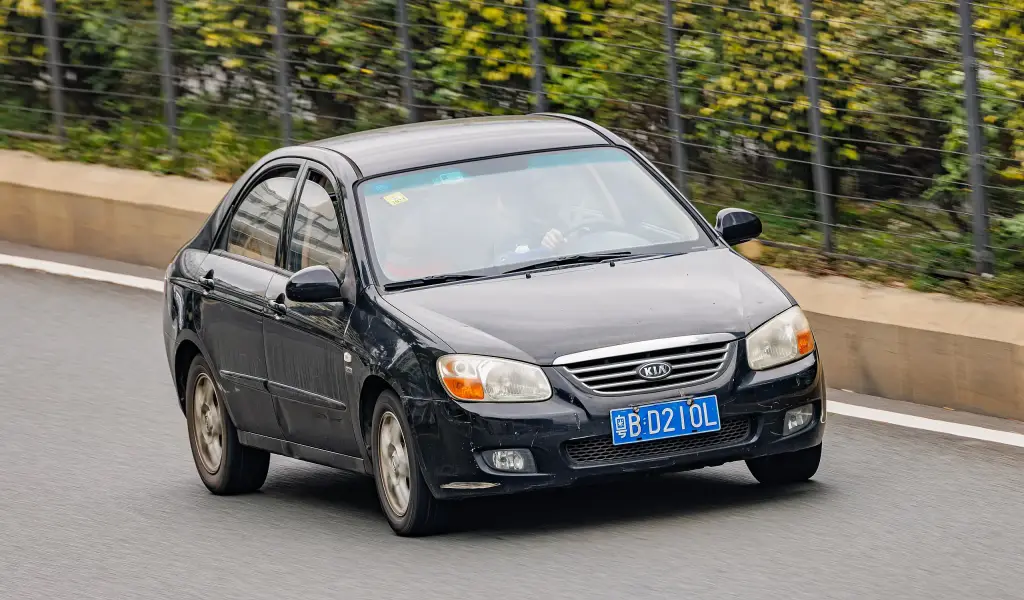
In North America the car was introduced for the 2004 model year as the Spectra, with Spectra5 for the hatchback; in Latin America it was still called Sephia until 2005, when that name gave way to Spectra. In Europe the Cerato was replaced by the Cee’d in 2007 and the name is not used there, except in Russia and Ukraine where both models are sold. In Malaysia the Spectra5 was launched on 15 August 2007 in a single trim, with the 1.6-litre 16-valve CVVT engine and a four-speed automatic. Malaysia also assembled the car from 2009 as the Naza Forte, and in Colombia and Singapore the second generation was sold as the Cerato Forte.
First-generation updates
A facelifted Cerato appeared in 2006 with revised Gamma engines and a smoother look: the bumper and headlamps lost their sharp crease near the grille, the boot lid became rounder and the tail lamps were reshaped. At the 2004 Geneva Motor Show Kia showed the Cerato Green concept with its new 2.0-litre CRDi diesel, the first diesel-powered Kia passenger car. In China the first generation lived on as the Cerato R, a heavy facelift sold alongside the Forte, and its platform was reused for the Horki 300EV electric sedan shown at the 2016 Guangzhou show. A modified Cerato 1.6 also raced in the Chinese 1600 cc touring car championship in 2006.
Later generations
The second generation of late 2008 was launched in Korea as the Forte, a name adopted in most international markets while Australia, the Middle East, South Africa, Brazil and the Caribbean kept Cerato. The third generation was shown in late July 2012 for the 2014 model year and was lower, wider and longer; in Korea it is the K3. The fourth generation was unveiled as the Forte on 15 January 2018 at the Detroit show, with styling taken from the Stinger, a fastback profile and a body built with 54 per cent advanced high-strength steel.
Design and features
- Market names: Cerato, Forte, K3 and Shuma for the same car.
- Hyundai engineering: the first generation shared the Elantra platform and Beta II engine.
- Three bodies: sedan, hatchback and the two-door Koup.
- Long Chinese life: the first generation continued as the Cerato R.
Kia Cerato versions
- Cerato LD (2003–2008): sedan and hatchback, sold as the Spectra in North America.
- Cerato Green (2004): concept with Kia’s first passenger-car diesel.
- Cerato TD (2008): the Forte generation, with hatchback and Koup coupé.
- Cerato YD (2012): the K3 generation, lower and wider.
- Cerato BD (2018): Stinger-inspired fastback.
The Cerato replaced the Sephia and Credos line and was itself replaced in Europe by the Ceed. More Kia models are in the Kia collection.
Sources
- Kia Cerato, English Wikipedia: names by market, generations, facelift, concepts