The Jowett Seven was the first car made at Jowett’s new Springfield works at Idle, outside Bradford, when car production began there in 1920. It used an enlarged version of the pre-war flat-twin engine, and for sixteen years the Seven — in tourer, saloon and light commercial form — was the mainstay of the company.
Jowett 7 at a glance
| Maker | Jowett Cars Ltd, Idle, Bradford |
|---|---|
| Production | from 1920 |
| Engine | flat twin, water-cooled; 831 cc, enlarged to 907 cc in 1921 |
| Claimed rating | 8 hp until 1921, then dropped from advertising |
| Bodies | short-chassis two-seater; Long Four tourer from 1923; closed saloon from 1925 |
| Long Four price | from £245 in 1923 |
| 1923 update | coil ignition and electric starting |
| 1929 update | removable cylinder heads and four-wheel brakes |
| Interruption | works fire, September 1931 |
| Commercial | van and lorry chassis based on the car from 1922 |
| Replaced by | the four-cylinder Jowett Ten of 1936 |
The Seven is described in the inter-war history section of the English Wikipedia article on Jowett Cars; this page uses only that section. Based on one source.
History of the Jowett 7
### The pre-war light car
Jowett began in the cycle trade and moved into V-twin engines before building a light car. The first Jowett car appeared in February 1906, but the small workshop was busy with general engineering and the first Scott motorcycles, so it did not reach production until 1910, after more than 25,000 miles of trials. That car used an 816 cc flat twin of 6.4 hp, a three-speed gearbox and tiller steering in a lightweight open two-seater. Twelve were built before a wheel-steered version arrived in 1913, and another 36 followed before the First World War turned the factory over to munitions.
### The Seven at Idle
Jowett Cars Limited was formed in June 1919 and bought the car-making side of the business. A new works was laid out in a disused quarry at Springfield, Bradford Road, Idle, and car making began there in 1920. The first vehicle was the Jowett Seven, using an enlarged version of the pre-war flat twin: 831 cc at first, then 907 cc in 1921, when the claim to 8 hp was dropped from advertising. From then until the four-cylinder engine of 1936, every Jowett car was a Seven. The engine made its maximum torque at low revs and became known for pulling power, reliability and economy.
### Bodies and updates
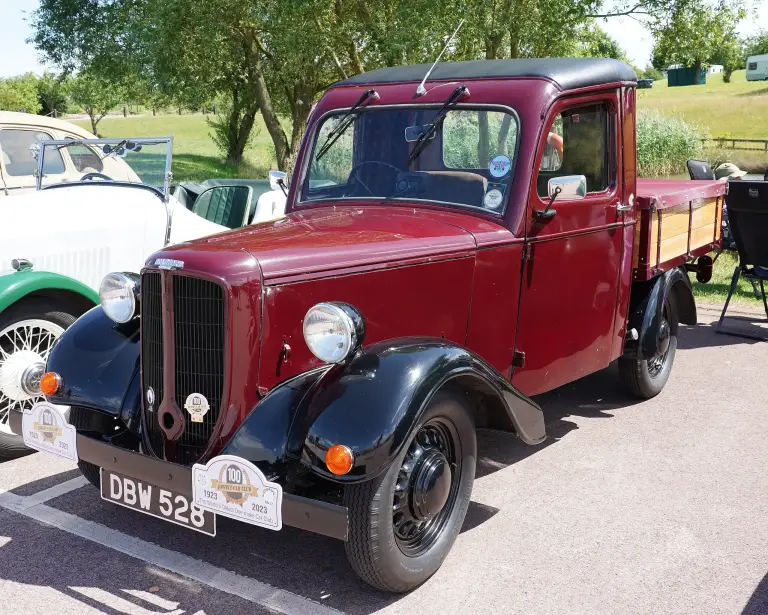
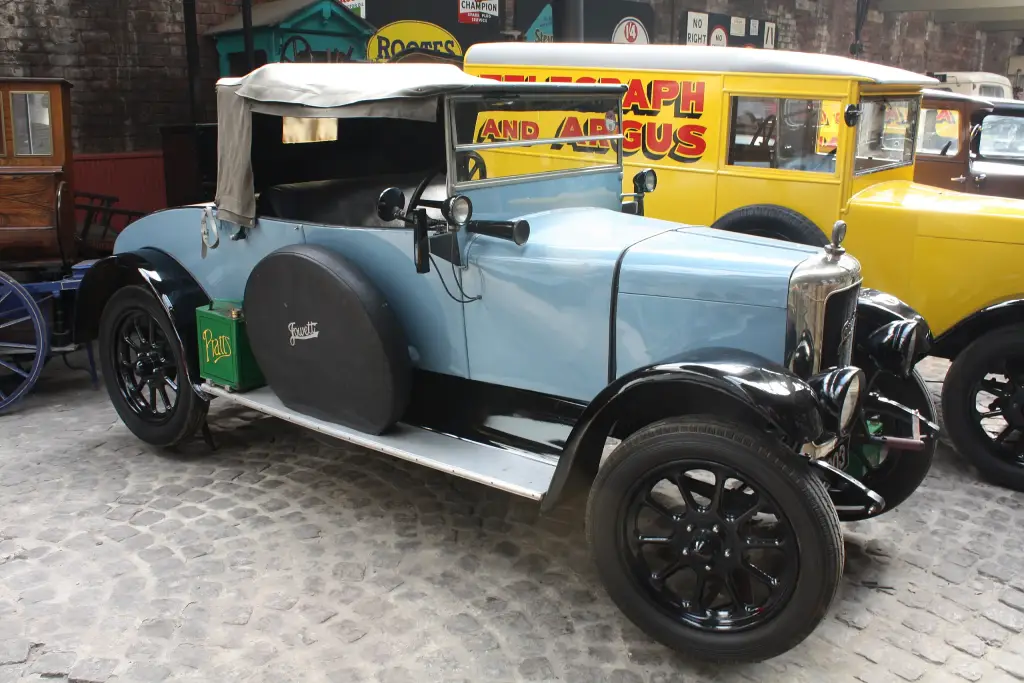
Commercial vehicles on the car chassis were built from 1922 and grew into an important part of output. Jowett first appeared at the London Motor Show in 1921. Coil ignition and electric starting came in 1923, the same year as the four-seater Long Four tourer, priced from £245; a closed saloon followed in 1925 while the short-chassis two-seater stayed in production. Removable cylinder heads for easier maintenance and four-wheel braking arrived in 1929. Production stopped briefly in September 1931 when fire swept through the works. The twin-cylinder cars continued alongside newer models and grew to 946 cc in 1937.
### The end of the Seven
The Seven’s long run ended with the arrival of the 1166 cc flat-four Jowett Ten in 1936, which used twin carburettors and continued until the war. The twin was not abandoned at once: it survived in 1005 cc form in the Bradford van and Utility estate until commercial vehicle production ended in 1954.
Design and features
- Light-car engineering: engine and gearbox designed together for a light car, largely in aluminium.
- Flat twin: water-cooled, enlarged from 831 cc to 907 cc in 1921 and famed for low-speed pulling power.
- Economy: low weight, low price and low running costs were the founding aims of the Jowett light car.
- Gradual modernisation: electric starting in 1923, removable cylinder heads and four-wheel brakes in 1929.
Jowett 7 versions
- Short-chassis two-seater: the original open body, in production into the mid-1920s.
- Long Four tourer (1923): four-seater on a longer chassis, from £245.
- Saloon (1925): closed body added alongside the two-seater.
- Commercial chassis (from 1922): vans and light lorries on the car chassis.
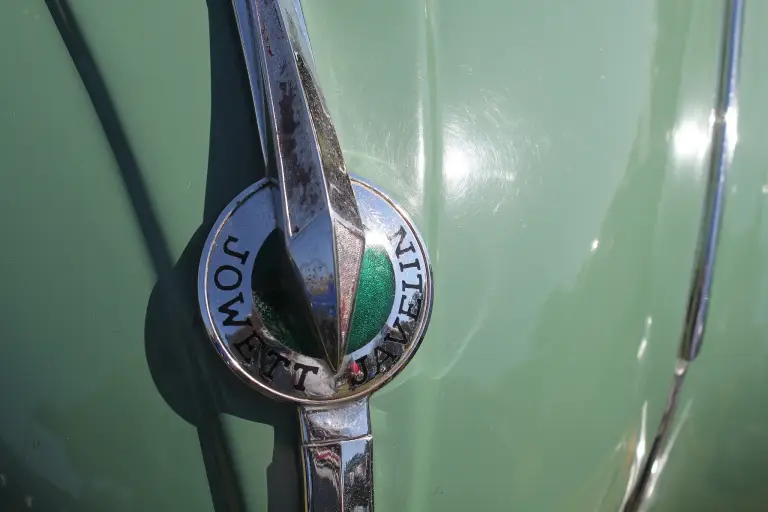
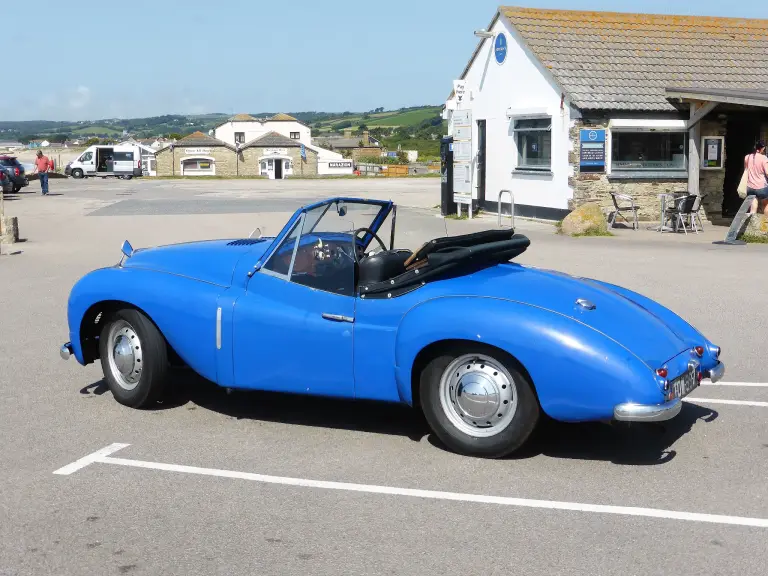
The Seven was the ancestor of the post-war Jowett Javelin and Jowett Jupiter, and its engine lived on in the Jowett Bradford van. More cars are in the Jowett collection.
Video: Jowett Long 7 Moving Car
Video on YouTube.
Sources
- Jowett Cars, English Wikipedia: history, engine sizes, bodies, updates