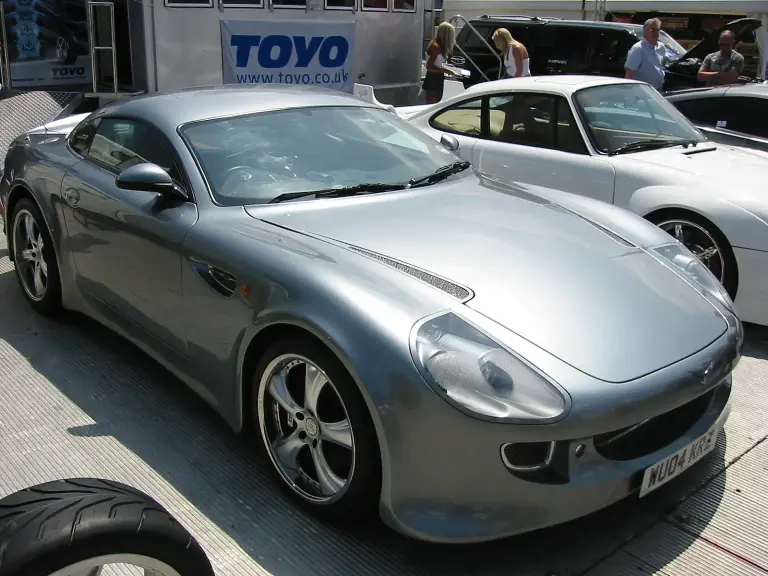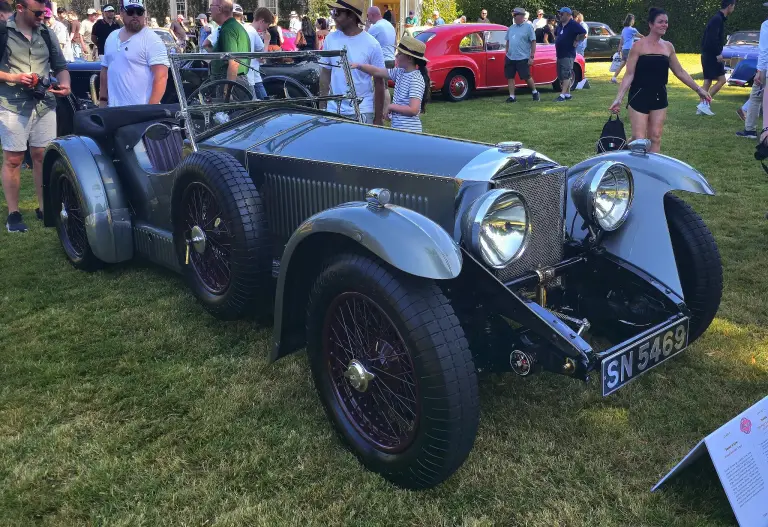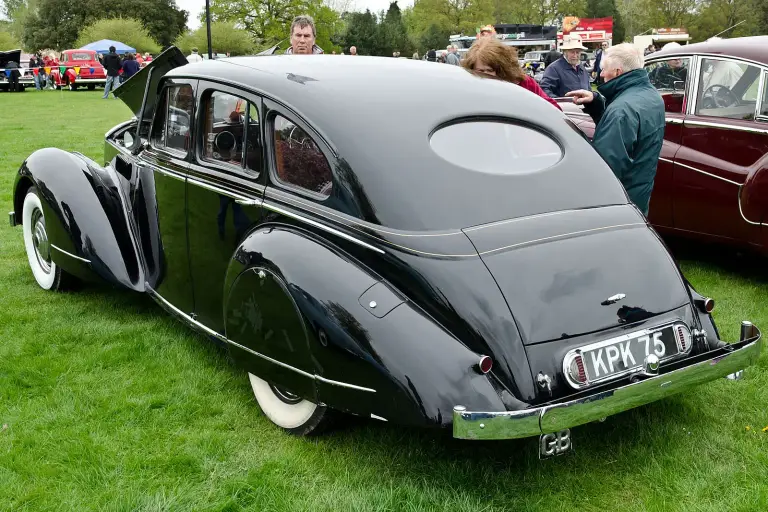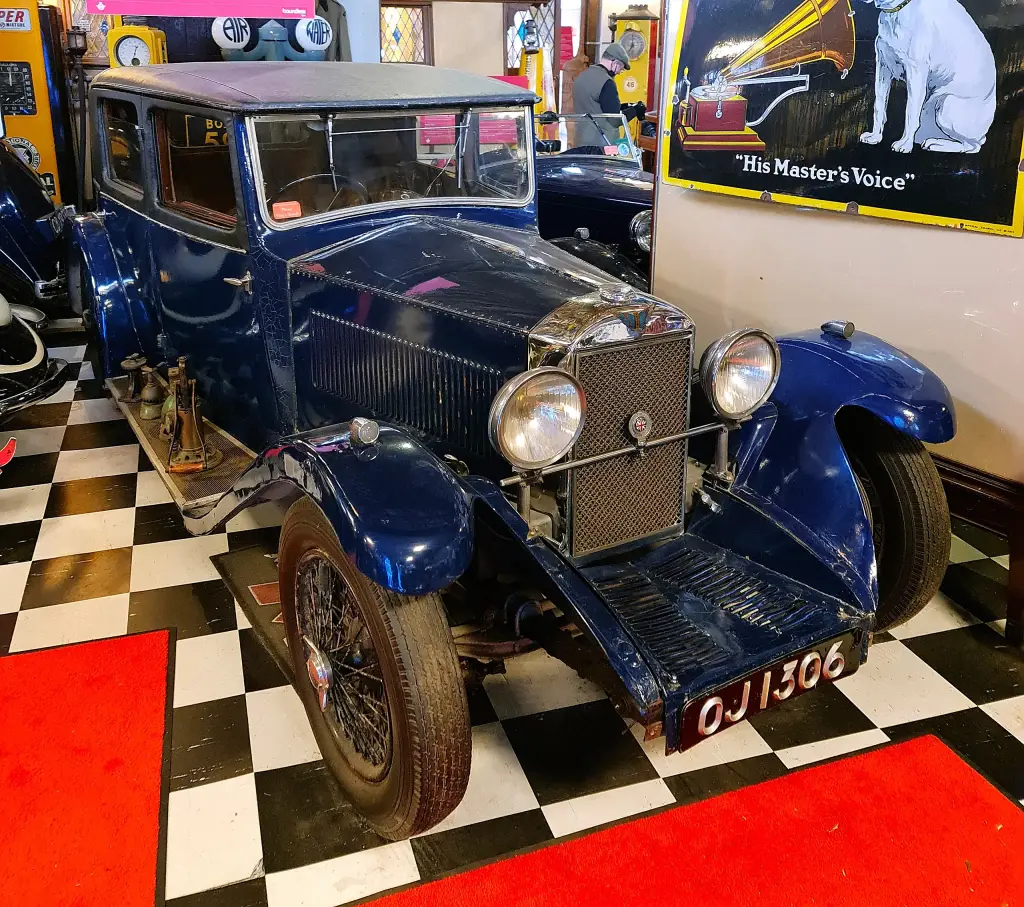
The Invicta 12/45 was the attempt to take the marque downmarket. Announced in 1932, it used a 1½ litre overhead-camshaft six from Blackburne in a chassis that was still large and heavy, and 45 bhp proved barely enough to move it. A supercharged 12/90 followed in 1933, but few were made and the proposed twin-cam 12/100 never got beyond a prototype.
Invicta 12/45 at a glance
| Maker | Invicta, Cobham, Surrey |
|---|---|
| Production | 1932–1933 |
| Model designation | L-type |
| Engine | 1½ litre straight six, overhead camshaft, Blackburne |
| Power | 45 bhp |
| Wheelbase | 9 ft 10 in (3.00 m) |
| Rear axle ratio | 6:1 |
| Gearbox | preselector type, optional |
| Coachwork | mostly by Carbodies |
| Supercharged version | 12/90, 1933, 90 bhp |
| Twin-cam prototype | 12/100, never completed |
The English Wikipedia article covers the whole Invicta marque; this page uses only the section on the 1½ litre cars. One source.
History of the Invicta 12/45
Widening the market
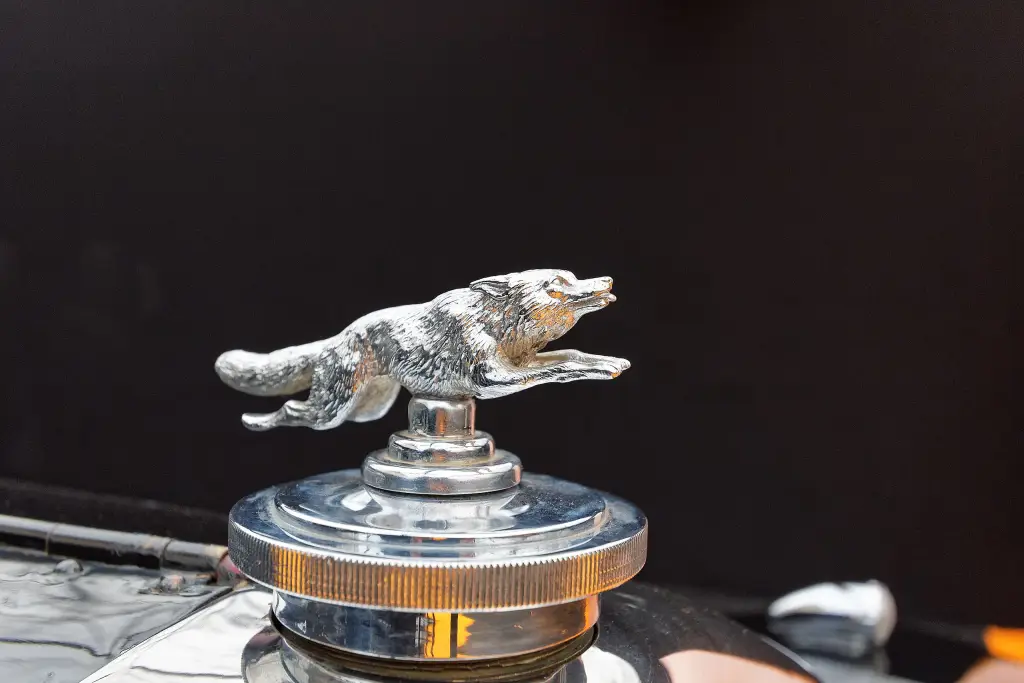
By the early 1930s Invicta’s cars were large, fast and expensive, built around 4½ litre Meadows engines. To widen the marque’s appeal the company announced the 1½ litre 12/45 in 1932. It was known internally as the L-type and used a straight-six overhead-camshaft engine from Blackburne, a firm better known for motorcycle engines.
A big car with a small engine
The 12/45 was a large car, with a wheelbase of 9 ft 10 in (3.00 m), and it proved too heavy for the power available. To make the most of the 45 bhp the car needed a 6:1 rear axle ratio. A preselector gearbox was available as an option, and most cars were fitted with coachwork by Carbodies.
The 12/90 and the 12/100
In 1933 Invicta added a supercharged version, the 12/90, which raised the available power from 45 to 90 bhp. Few were made, and a proposed twin-cam 12/100 never got beyond the prototype stage. Invicta car production seems to have finished in 1935, and the company was compulsorily wound up on 3 May 1938 after an attempted sale collapsed.
Design and features
- Overhead-camshaft Blackburne six: a 1½ litre engine from a maker known chiefly for motorcycles.
- Optional preselector gearbox: a convenience feature unusual in a car at this price.
- Carbodies coachwork: most 12/45s were bodied by the Coventry firm.
- Supercharged 12/90: double the power from the same engine, but built only in tiny numbers.
Invicta 12/45 versions
- 12/45 (1932–1933): the standard unblown car with 45 bhp.
- 12/90 (1933): supercharged version with 90 bhp.
- 12/100: twin-cam project that remained a single prototype.
- 4½ litre S-Type: the larger, faster Invicta sold alongside the 12/45.
The 12/45 was sold alongside the bigger S-Type, and the marque returned after the war with the Black Prince. More cars are in the Invicta collection.
Sources
- Invicta (car), English Wikipedia: 12/45 and 12/90, engine, chassis, coachwork, end of production