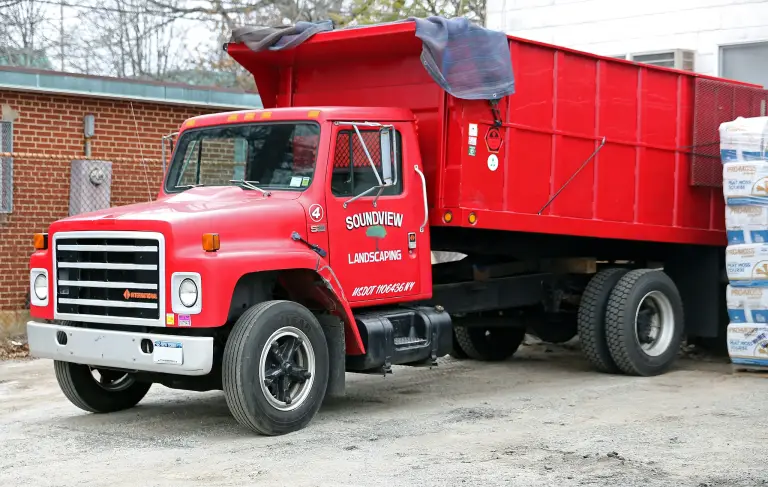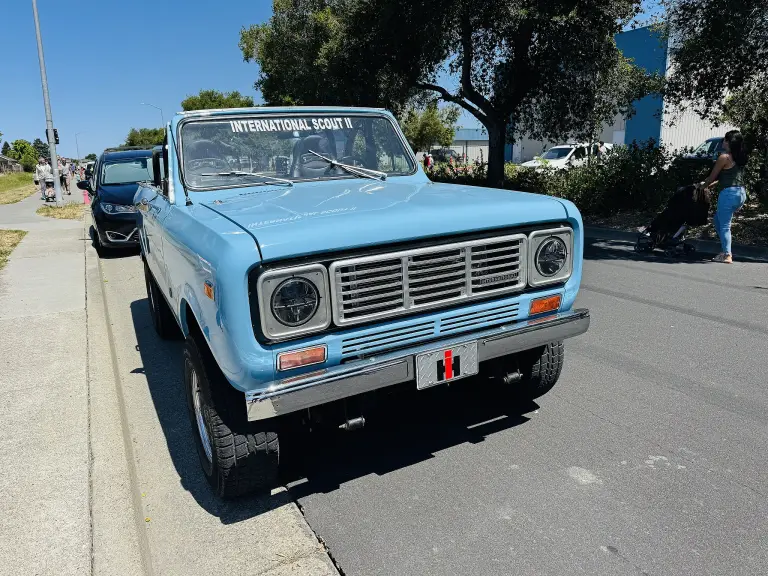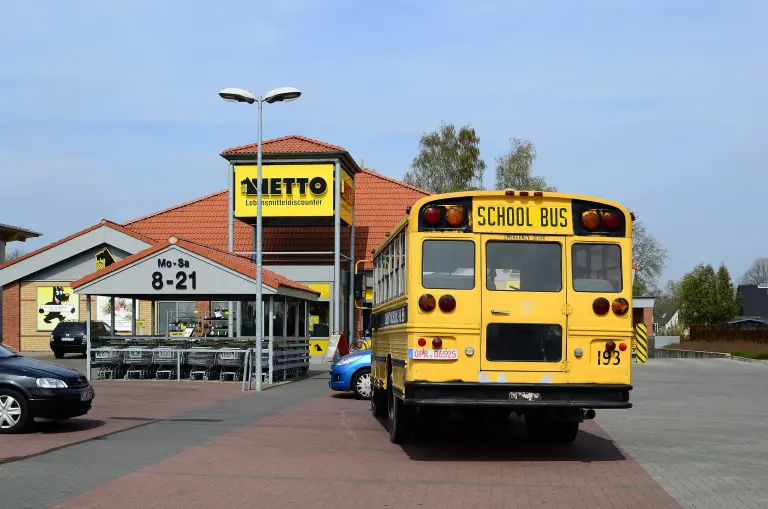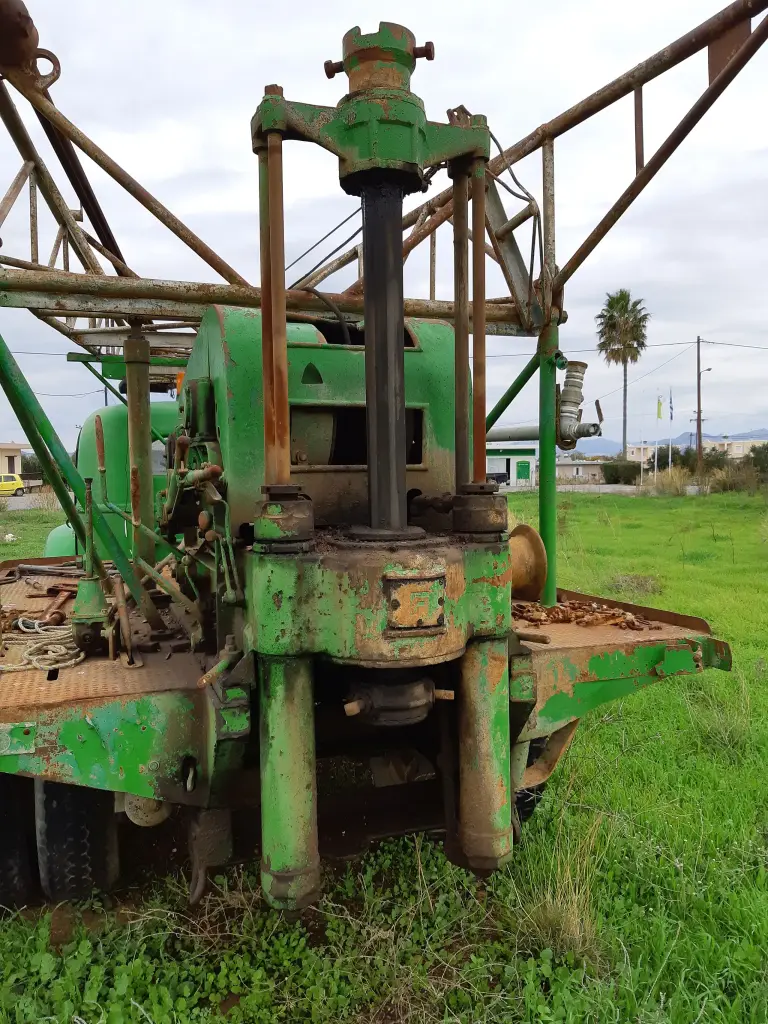
The International K series, introduced in mid-1940, was the truck line that established International Harvester’s reputation for tough, cheap, pre-war designs sold on into the post-war years. Its 1947 successor, the KB, added chrome “wings” to the grille and sold 122,000 KB-1 and KB-2 trucks in two years before the L series replaced it.
International K and KB series at a glance
| Maker | International Harvester |
|---|---|
| K series | introduced in mid-1940 |
| KB series | introduced in 1947, replaced by the L series in 1949 |
| Range | 42 models and 142 wheelbase lengths |
| Load ratings | from half a ton to 90,000 lb |
| K numbering | K1 half ton, K2 three-quarter ton, K3 one ton and so on up to K14; no K-9 or K-13 |
| KB sales | 122,000 KB-1 and KB-2 trucks between 1947 and 1949 |
| Light duty | K-1 and K-2 share most components; the K-2 has stronger suspension |
| Heavy duty | K6 and larger use a centre-hinged butterfly hood |
| Styling | headlamps integrated into the fenders, alligator-opening hood |
Based on one source (English Wikipedia).
History of the International K and KB series
The K series
International Harvester introduced the first K in mid-1940. The range was huge: 42 models, 142 different wheelbase lengths and load ratings from half a ton to 90,000 lb. The K models were numbered from 1 to 14 by load capacity, K1 being a half-ton, K2 three-quarter-ton and K3 one ton; there were no K-9 or K-13. The light K-1 and K-2 shared most mechanical and chassis parts, the difference in rating coming from the K-2’s stronger suspension, and both used rear axles on a single roller bearing. The K-3 had a heavier frame, larger brakes and a free-floating rear axle on two roller bearings, while the K-4 rode on artillery-style wheels. From the K6 upwards the hood was centre-hinged in a butterfly pattern instead of hinged at the rear. The K6 and K7 shared hood, fenders and grille with the smaller Blue Diamond engines, the K8 to K11 had a larger front end with fewer but wider grille bars and the bigger FAB, Red or RD engines, the K12 had a longer hood for the Continental engine, and the K14 flat-top fenders instead of rounded ones. All had headlamps built into the fenders and an alligator-opening hood; the heavy-duty models carried over the D-series cab and high-crowned fenders.
The KB series
The lightly modernised KB series arrived for the 1947 model year. On the KB-1 to KB-5 the changes were mostly cosmetic: chrome wings on the sides of the grille, a wrap-around chrome piece on the front of the hood, a hood ornament and chrome lettering with the model designation below the International nameplate on each side of the hood. On the KB-6 and larger trucks the only external changes were that the Triple Diamond badge moved to the top of the grille chrome and the model designations were added to the hood-side chrome trim. Between 1947 and 1949, 122,000 KB-1 and KB-2 trucks were sold.
Why they mattered
The K and KB trucks are remembered for their durability, for carrying pre-war engineering into the post-war years, and for their low price. They were built in enormous numbers for farms, businesses and the military, and many were still working decades later. The KB was replaced by the L series in 1949.
Design and features
- Enormous range: 42 models and 142 wheelbases, from half a ton to 90,000 lb.
- Simple numbering: the number after K matched the load class, from K1 to K14.
- Butterfly hood: heavy-duty models from K6 up opened their hood from the centre.
- Integrated headlamps: the lamps sat in the fenders, with an alligator-opening hood.
- Post-war bargain: pre-war design and a low price made the KB a huge seller.
International K and KB series versions
- K-1 and K-2: half-ton and three-quarter-ton light trucks sharing most parts.
- K-3 and K-4: one-ton and heavier light trucks with stronger axles and artillery wheels.
- K6 and K7: heavy-duty models with the butterfly hood and Blue Diamond engines.
- K8 to K11: larger front end and bigger FAB, Red or RD engines.
- K12 and K14: long-hood Continental-engined truck and flat-fender model.
- KB-1 to KB-7: the 1947 update with chrome grille wings on the lighter models.
The KB was replaced by the International L series, and its light-truck descendants led to the C series. More trucks are in the International collection.
Sources
- International K and KB series, English Wikipedia: models, ratings, styling, sales