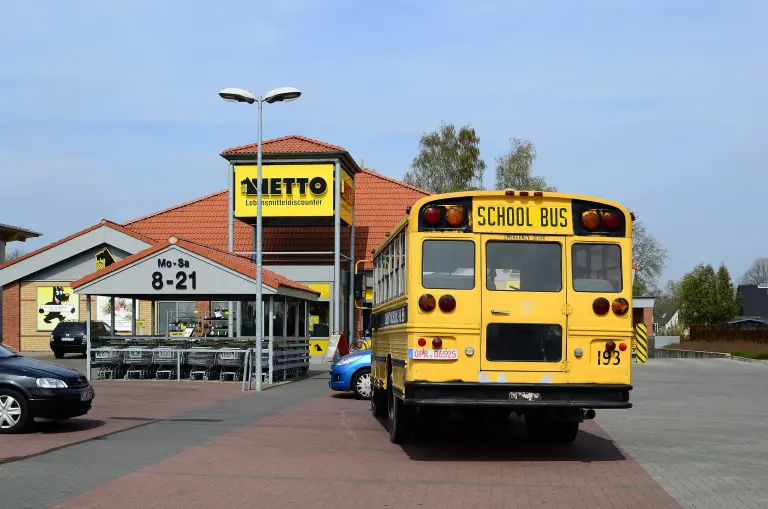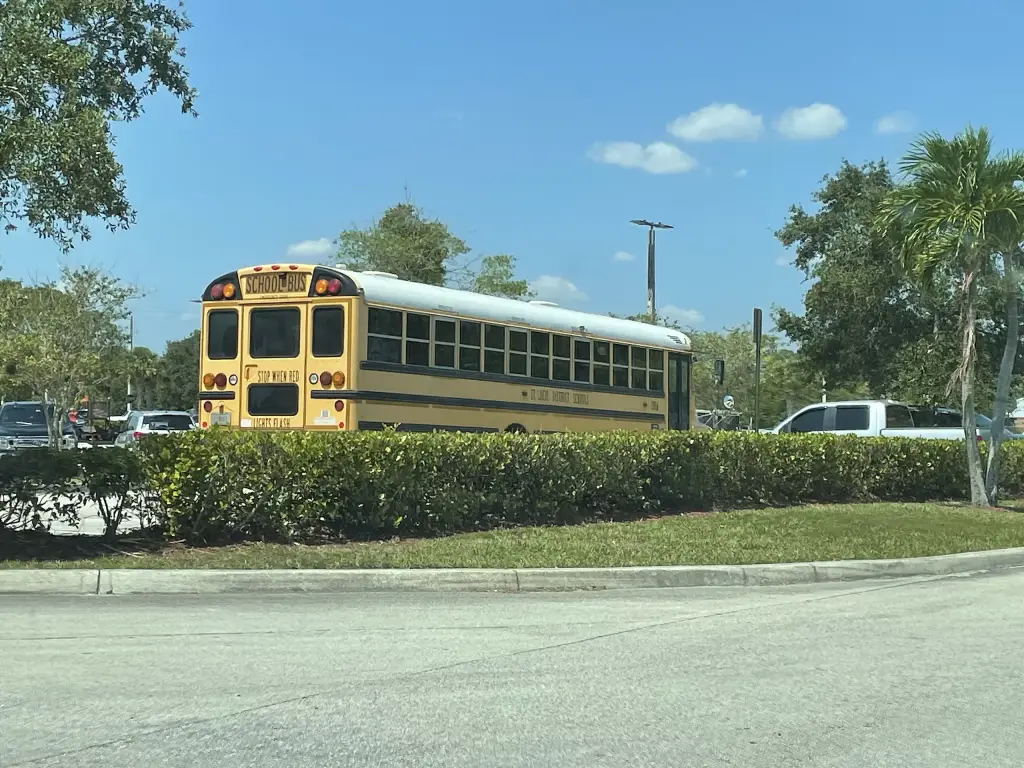
IC Bus is the school bus manufacturer owned by Navistar International, the company behind International trucks. Formed in 2002 from AmTran and named IC Corporation until 2009, it builds conventional CE and rear-engine RE school buses, almost entirely on International chassis, at the Navistar plant in Tulsa, Oklahoma.
IC Bus at a glance
| Maker | IC Bus (IC Corporation until 2009), Lisle, Illinois |
|---|---|
| Parent | International Motors (Navistar) |
| Formed | 2002 from AmTran; the IC name was first used in 2000 |
| Name | IC stands for “Integrated Coach” |
| Plant | Tulsa, Oklahoma; Conway, Arkansas until 2010 |
| Main models | CE conventional and RE rear-engine school buses |
| Other models | BE, FE, HC, LC, AC, AE and TC |
| Chassis | International 3800, then 3300 and 3200 |
| Engines | MaxxForce diesels from 2007; Cummins ISB6.7 from 2014, L9 from 2017 |
| Alternative fuels | propane from 2015, petrol from 2017, chargE electric prototype in 2018 |
Based on one source (English Wikipedia).
History of the IC Bus
From AmTran to IC
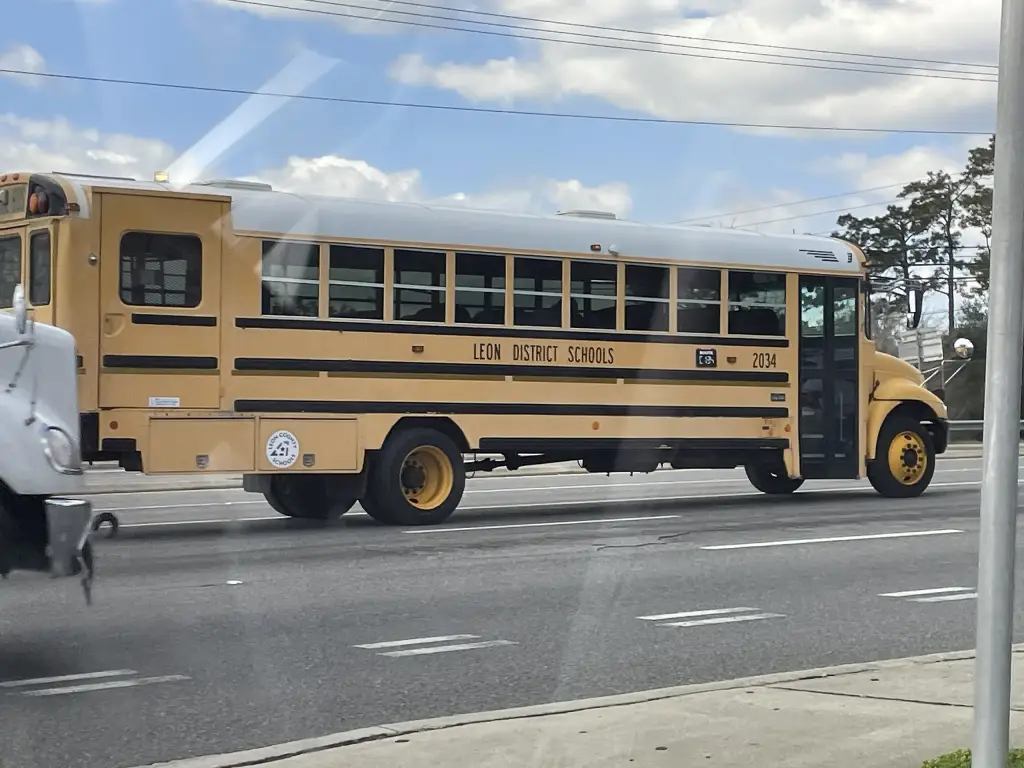
IC traces its roots through AmTran to Ward Body Works, founded in Conway, Arkansas in 1933; International Harvester, the parent of Navistar, had started building chassis eleven years earlier. In 2000 AmTran introduced an updated conventional body on the International 3800 chassis with a redesigned drivers’ compartment and a larger windshield. It was called the International IC, for Integrated Coach, to stress that body and chassis were made inside one company; its hood carried its own grille and badging, the first visual change to International medium-duty trucks since 1989. Other AmTran products then adopted International badging as well. In 2002 Navistar renamed the subsidiary IC Corporation and retired the AmTran name, and the conventional bus became the CE series, matching the FE and RE transit-style buses.
A new range in the 2000s
The mid-2000s brought a thorough overhaul. For 2005 International introduced the 3300, a cowled chassis derived from the 4000-series DuraStar and the first completely new cowled chassis from International since 1979. For 2006 IC added its first small school bus, the 30-passenger BE200, built on a low-profile version of the 3300 with a flat floor instead of a cutaway van chassis. MaxxForce diesels arrived for 2007 to meet the new emissions standards, and for 2008 the FE received a wider grille while the BE and CE took the DuraStar front bumper. In 2006 the company also began building commercial buses: the HC shuttle bus and the LC low-floor paratransit bus, both on cutaway DuraStar chassis. In April 2009 IC Corporation became IC Bus.
Since 2010
For 2010 the FE, which had begun life as the Ward Senator and later became the AmTran Genesis, was discontinued, leaving the RE as the only transit-style bus. Two cutaway models on the smaller International TerraStar followed: the AC commercial shuttle and the AE, the first cutaway school bus from the company, seating up to 36. From 2010 Navistar also badged the International 3200 cutaway chassis as an IC regardless of who built the body. After trouble with its EGR emissions strategy Navistar replaced MaxxForce engines with Cummins units: the ISB6.7 became an option in the CE for 2014 and standard for 2015, and a Cummins L9 replaced the MaxxForce DT in the RE in 2017. The AE, AC, BE and LC were dropped after 2014, and the HC gave way to the TC in 2018, when IC returned to being a chassis supplier in the shuttle segment. Today the CE and RE remain in production, also offered as commercial and activity buses.
Design and features
- Integrated production: body and chassis are assembled in the same plant, which is what the IC name refers to.
- International underpinnings: the buses use International chassis and hoods but carry their own badges.
- CE and RE: a conventional and a rear-engine school bus cover most of the range.
- School bus focus: after 2014 the company concentrated on school buses and activity buses.
- Alternative fuels: propane and petrol engines from 2015 and 2017, and the chargE electric prototype of 2018.
IC Bus versions
- CE: the conventional school bus, developed from the International IC of 2000.
- RE: rear-engine transit-style bus.
- BE200 (2006): 30-passenger small school bus on a low-profile 3300 chassis.
- FE: transit-style bus descended from the Ward Senator and AmTran Genesis, dropped for 2010.
- HC and LC (2006): commercial shuttle and low-floor paratransit buses on cutaway DuraStar chassis.
- AC and AE (2010): cutaway buses on the International TerraStar; the AE was the first IC cutaway school bus.
IC Bus grew out of AmTran and builds its buses on the International 3300 and DuraStar chassis. More vehicles are in the International collection.
Sources
- IC Bus, English Wikipedia: history, models, engines, plants