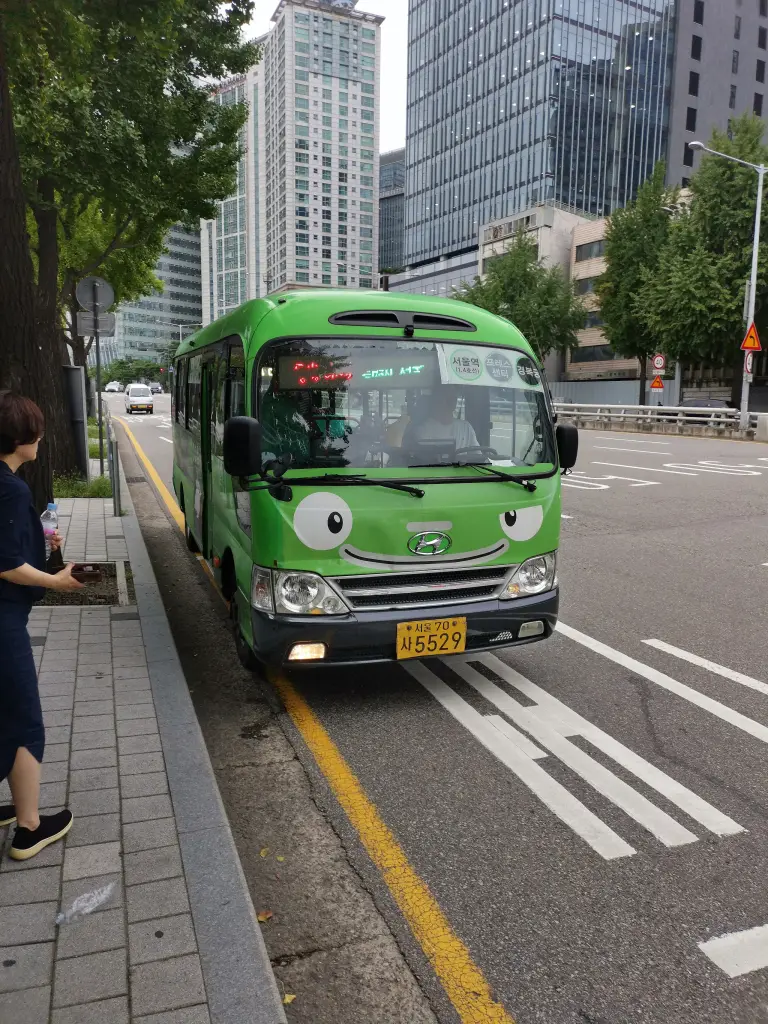
The Hyundai County is a single-decker minibus made by Hyundai’s truck and bus division. Introduced in 1998 as the successor to the Chorus, it has been sold mainly as a city bus and a tourist bus, and it has stayed in production through successive updates into the electric era.
Hyundai County at a glance
| Maker | Hyundai truck and bus division |
|---|---|
| Introduced | 1998 |
| Predecessor | Hyundai Chorus |
| First generation | CS/CN, 1998–2004 |
| e-County | 2004–2007, Euro 3 engines |
| 2008 facelift | e-County with Hyundai’s 3.9-litre F engine |
| New County | 2012–2020, F170 engine |
| 2020 facelift | County New Breeze |
| Electric | County Electric, 2020 |
| Bodies | 15–25, 20–30 and 26–34 passengers |
| Related model | Kia Combi |
| Design | Hyundai Motor Company Jeonju Design Center |
History of the Hyundai County
The County was released in 1998 as the replacement for the Chorus and was built in its first form until 2004. It is primarily sold as a city and tourist bus, and it is related to the now-discontinued Kia Combi. The County and e-County were designed by the Hyundai Motor Company Jeonju Design Center.
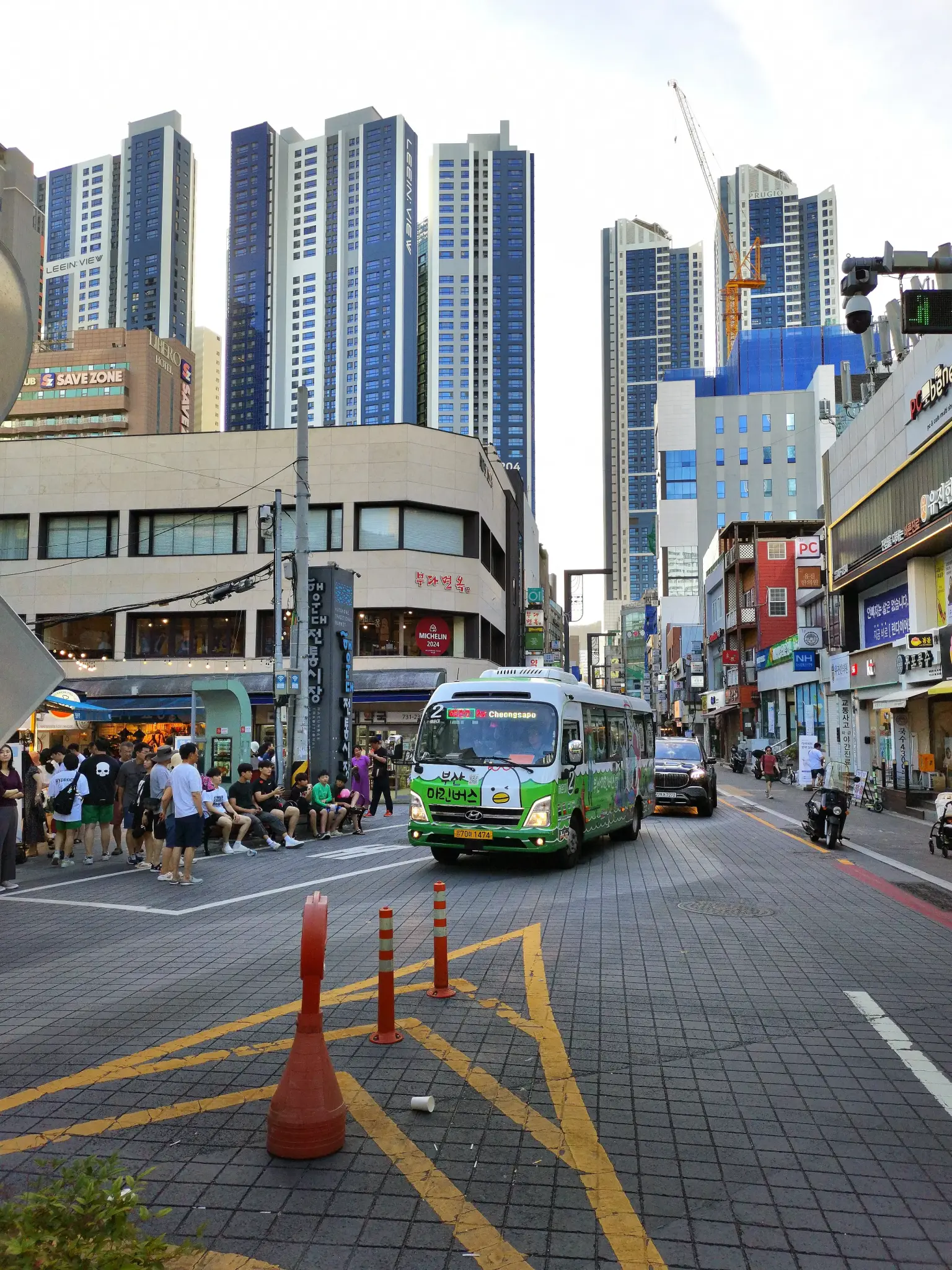
In 2004 came the e-County, produced until 2007 with a slightly modified appearance to meet Euro 3 standards and changed window arrangements. A facelift of the e-County followed in 2008, this time with Hyundai’s 3.9-litre F engine and new front lamps and grille. The New County, an upgraded version of that facelifted car, was produced from 2012 to 2020 and moved from the F160 engine to the F170, with changes to the transmission, handle colour, wheels and interior.
A minor change was shown at the 2012 Busan motor show, and a second facelift, the County New Breeze, arrived in 2020; its design was based on a Chinese specification revealed at Auto Shanghai in 2015. The electric County was revealed in 2019 at the Hyundai Truck & Bus Business Fair together with the Pavise, and went on sale in 2020 with vehicle attitude control, four-wheel disc brakes, a rear emergency door, a 7-inch LCD cluster and a button-type gear lever. In Korea the County is sold in Gold, Tour, Super, Deluxe and Standard versions.
Design and features
- Long career: in production since 1998 with repeated updates rather than a clean-sheet replacement.
- Three body lengths: standard for 15–25 passengers, long for 20–30 and extra long for 26–34.
- Diesel history: from the Euro 3 e-County to the 3.9-litre F engine and the later F170.
- Electric version: the County Electric of 2020 with four-wheel disc brakes and rear emergency door.
Hyundai County versions
- County (1998–2004): the first generation, CS/CN.
- e-County (2004–2007): Euro 3 version with modified windows.
- e-County facelift (2008): 3.9-litre F engine and new front end.
- New County (2012–2020): F170 engine and revised details.
- County New Breeze (2020): the second facelift.
- County Electric (2020): battery-electric city bus.
The County replaced the Chorus minibus, and Hyundai’s larger coach is the Universe. More Hyundai models are in the Hyundai collection.
Video: Hyundai County 2012 l Video en Full HD
Video by BusesycamionesTV on YouTube.
Sources
- Hyundai County, English Wikipedia: generations, engines, facelifts, electric version, passenger capacities