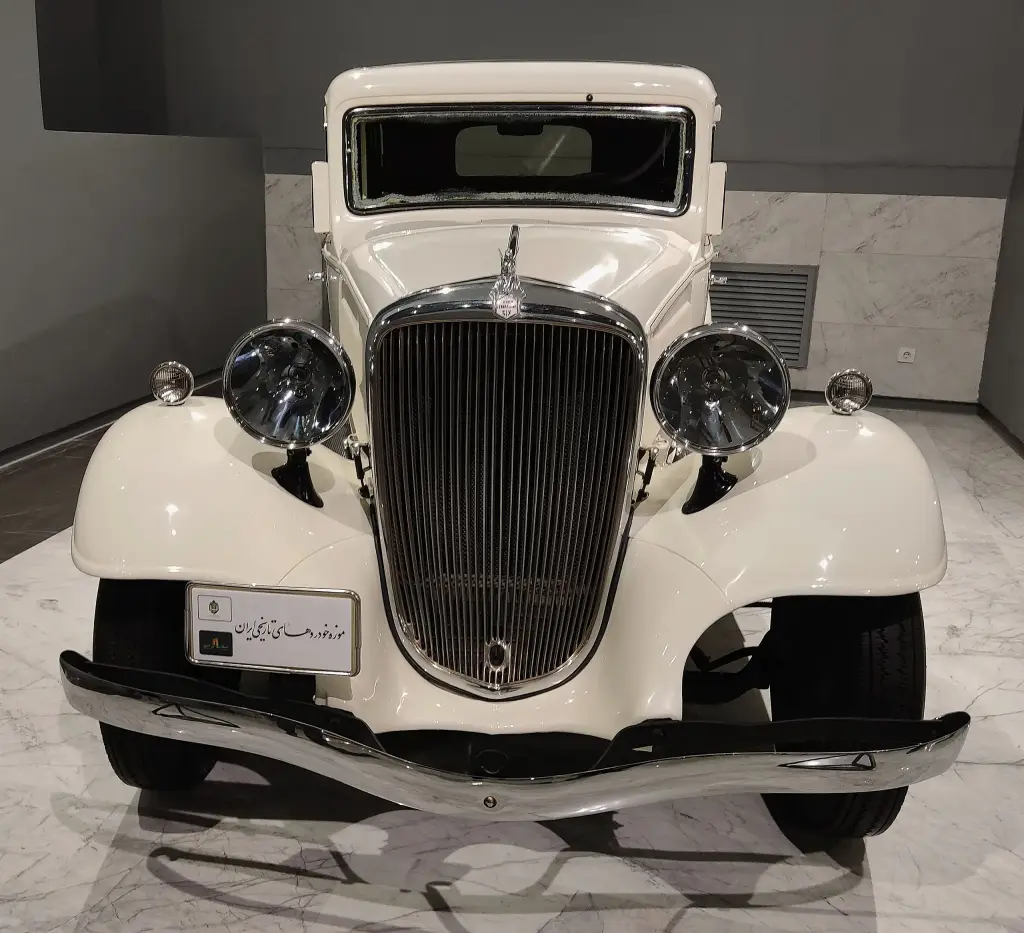
The Terraplane was an inexpensive but powerful car built by Hudson from 1932 to 1938. It began as the Essex-Terraplane, replaced the Essex as Hudson’s low-priced line, and by the mid-1930s was selling better than Hudson’s own cars.
Hudson Terraplane at a glance
| Maker | Hudson Motor Car Company, Detroit, Michigan |
|---|---|
| Years | 1932–1938 |
| First name | Essex-Terraplane, launched 21 July 1932 |
| Name from 1934 | simply Terraplane |
| Last name | Hudson-Terraplane for 1938 |
| 1932 model | Model K, 106-inch wheelbase, 193 cu in six-cylinder |
| 1933 range | Model K; Model KU six on a 113-inch wheelbase; Model KT straight-eight, 244 cu in |
| Eight-cylinder years | 1933 only |
| Brakes | Duo-Automatic: hydraulic brakes with a mechanical back-up |
| 1938 price | about US$900 |
| 1933 acceleration | 0–60 mph in 14.4 seconds; 10–60 mph in top gear in 18 seconds |
| Body styles | all common American styles; light commercial vehicles from 1933 |
History of the Hudson Terraplane
Essex-Terraplane (1932–1933)
Hudson had sold the low-priced Essex since 1919 and absorbed the make in 1922. With Essex sales falling in the Depression, Roy D. Chapin decided to repeat the earlier strategy: a very light car in the bottom price class, combining style, comfort and reliability. The Essex-Terraplane was launched on 21 July 1932 in Detroit before more than 2,000 dealers from 40 states, with the aviator Amelia Earhart helping to introduce it; Orville Wright bought one of the first cars. The 1932 range was a single Model K on a 106-inch wheelbase with a 193 cu in six.
For 1933 Hudson added a Model KU six on a 113-inch wheelbase and a Model KT with a 244 cu in straight-eight, offered in Standard and Deluxe trim; 1933 was the only year the Terraplane had an eight. Those eight-cylinder cars were believed to have the highest power-to-weight ratio of any production car in the world, and a 1933 Terraplane 8 convertible coupe set a record for the climb of Mount Washington that stood for more than twenty years. Period tests recorded 0–60 mph in 14.4 seconds.
Terraplane (1934–1937)
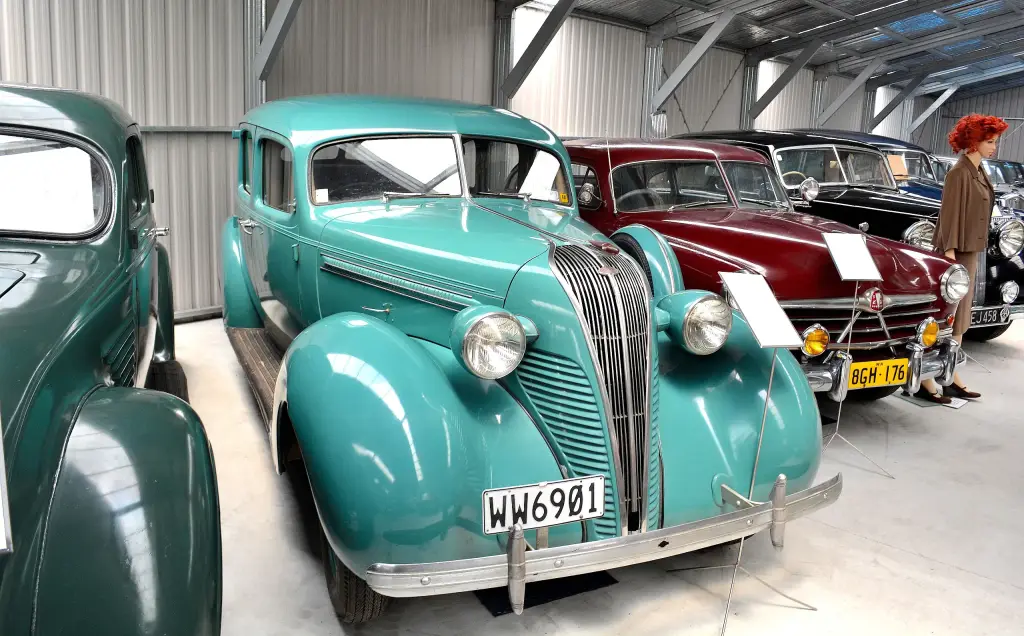
For 1934 the word Essex was dropped and the car became the Terraplane. The cars grew slightly heavier and rarely competed in events, particularly because the eight-cylinder engine was no longer offered. The name stayed unchanged through 1937, and by 1936 Terraplane commercial vehicles were being built in larger numbers.
The Terraplane was a major contributor to Hudson’s sales in the Depression and in the mid-1930s outsold Hudson’s own cars. Hudson management was not fond of that, which is said to be part of the reason the car was eventually dropped as a make. One unusual feature was Duo-Automatic braking: two separate systems, hydraulic and mechanical, worked together so that if the hydraulic circuit failed, the mechanical brakes could still stop the car. The best-remembered slogan came in 1933: “On the sea that’s aquaplaning, in the air that’s aeroplaning, but on the land, in the traffic, on the hills, hot diggity dog, that’s Terraplaning.”
Hudson-Terraplane (1938)
Knowing the Terraplane would be dropped, Hudson phased the name out in the same way it had introduced it: the 1938 cars were called Hudson-Terraplane. That year Hudson also offered a Model 112, almost identical in equipment but on a shorter 112-inch wheelbase with a smaller engine. A Terraplane cost about US$900 in 1938 and had no ammeter or oil pressure gauge.
Design and features
- Light and powerful: low weight with strong six- and eight-cylinder engines made the Terraplane fast for its price.
- Duo-Automatic brakes: hydraulic brakes with a mechanical system as a back-up.
- Record breaker: hillclimbs and the Mount Washington climb brought the car publicity.
- Aviation-inspired name: launched as the Essex-Terraplane at the height of public interest in flying.
- Hood details: the eight had vent doors on the hood, the sixes stamped louvers.
Hudson Terraplane versions
- Model K (1932–1933): 106-inch wheelbase, 193 cu in six.
- Model KU (1933): six-cylinder car on the 113-inch wheelbase.
- Model KT (1933): the 244 cu in straight-eight, the only eight-cylinder Terraplane.
- Standard and Deluxe: two trim levels for the KU and KT in 1933.
- Commercial vehicles: light commercials from 1933, in larger numbers by 1936.
- Hudson-Terraplane (1938): the final year under a Hudson name.
The Terraplane was replaced in the Hudson range by the 1939 Pacemaker, and its success pushed Hudson towards the larger models such as the Commodore. More Hudson models are in the Hudson collection.
Video: 1936 Hudson Terraplane Classic Muscle Car for Sale in MI Vanguard Motor Sales
Video on YouTube.
Sources
- Terraplane, English Wikipedia: all facts on the models, engines and history