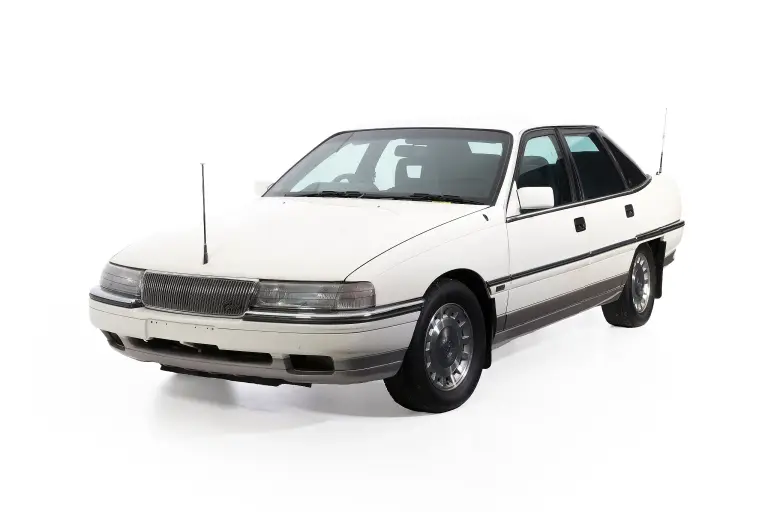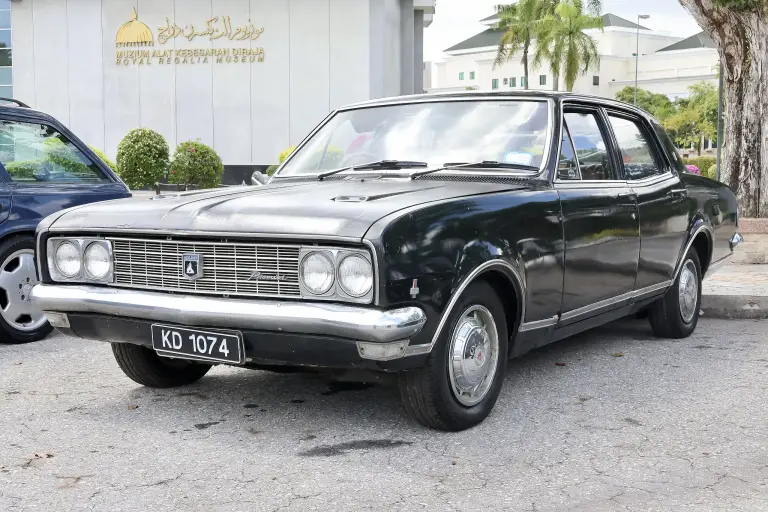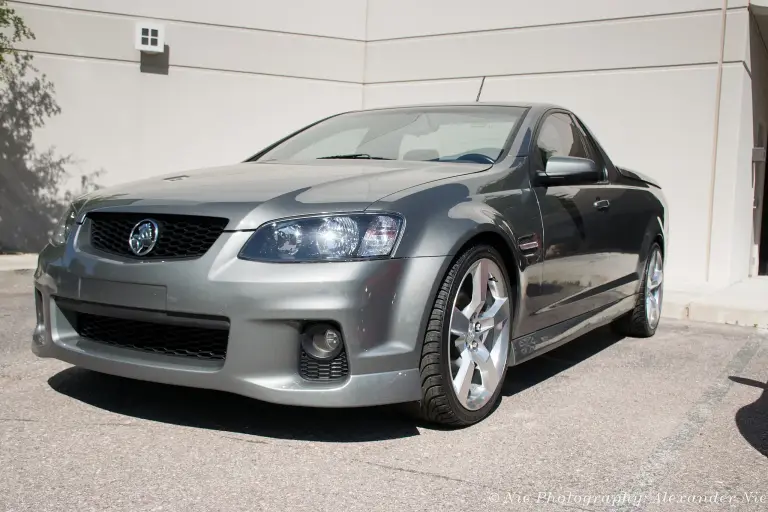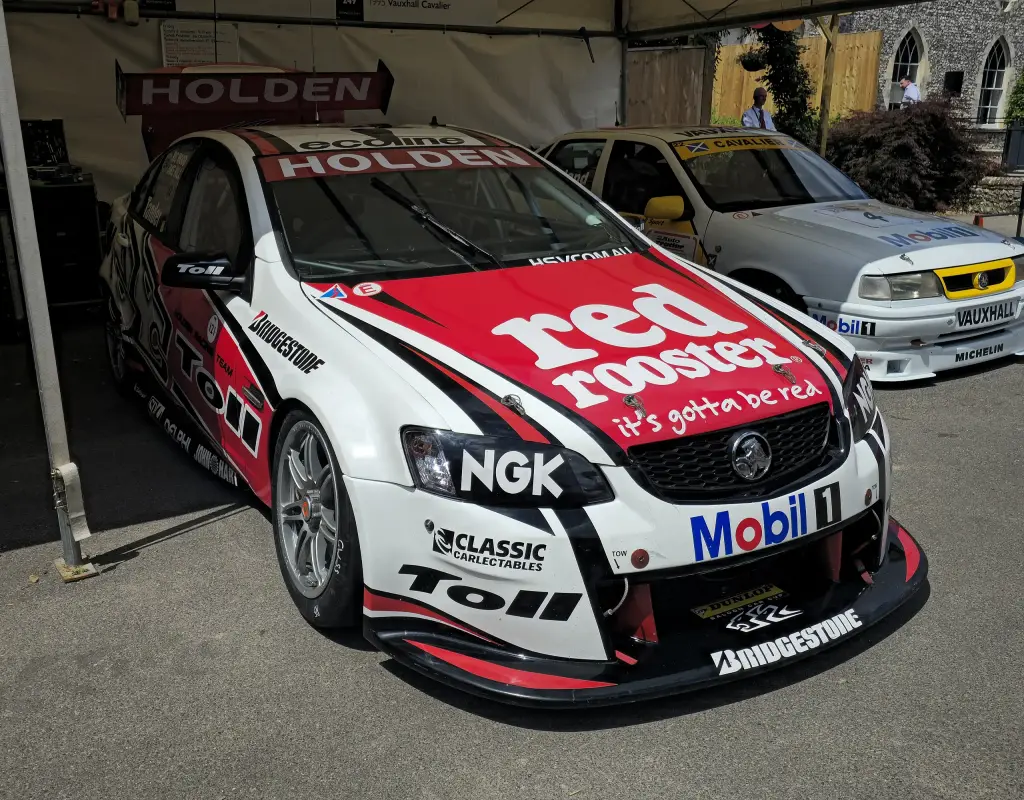
The Holden Commodore was the mainstay of Holden’s range from 1978 until 2020. It replaced the long-serving Kingswood and Premier, was built in Australia until October 2017, and over 41 years grew into the widest family of body styles Holden ever offered.
Holden Commodore at a glance
| Maker | Holden, Australia |
|---|---|
| Sold | 1978–2020 |
| Built in Australia | 1978 to 20 October 2017 |
| Built in New Zealand | 1979–1990 |
| First three generations | Opel-designed V-body platform, 1978–2006 |
| VE and VF | Holden Zeta platform, 2006–2017 |
| ZB | re-engineered Opel Insignia, 2018–2020 |
| First bodies | sedan only, station wagon added in 1979 |
| Calais | flagship name from 1984 |
| Berlina | from 1984, own name from 1988 |
| Derivatives | Statesman/Caprice and Utility in 1990; Ute 2000; Monaro 2001; Crewman and Adventra 2003 |
| Main rival | Ford Falcon |
History of the Holden Commodore
VB: a smaller Holden
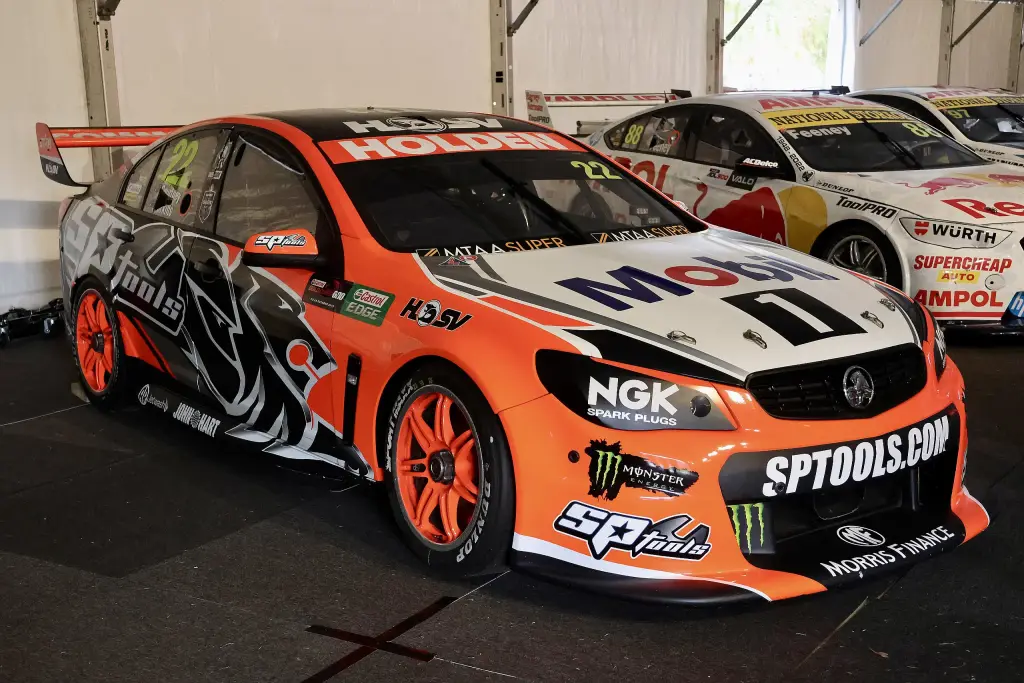
The VB of October 1978 was developed while the effects of the 1973 oil crisis were still being felt. Holden wanted a smaller, more fuel-efficient replacement for the full-size HZ Kingswood, and after abandoning its own WA Kingswood project it turned to Opel. The new car used the four-cylinder Rekord E body shell with the front of the Opel Senator A, both on GM’s V-body platform, a combination needed to fit Holden’s larger six- and eight-cylinder engines. Holden also took the Commodore name from Opel, which had used it since 1967.
Testing showed that an Opel Rekord driven hard on harsh Australian roads would break apart at the firewall, so Holden re-engineered the car for local conditions. Only 35 percent of parts were shared with the Rekord: the MacPherson strut front suspension was modified and the recirculating ball steering was replaced by rack and pinion. Development costs reportedly reached A$110 million, close to the cost of an all-new model.
Growing into a range
The Commodore replaced both the Kingswood and the Premier. It began as a single sedan body style, gained a station wagon in 1979 and, from 1984, a flagship called the Calais; the Commodore Berlina of 1984 took the Holden Berlina name in 1988. Long-wheelbase Statesman and Caprice derivatives and the Holden Utility coupé utility followed in 1990.
The third-generation architecture, introduced in 1997, produced more body styles than any other: the new Holden Ute in 2000, the reborn Monaro coupé in 2001, and the four-door Crewman utility and all-wheel drive Adventra crossover in 2003. Holden Special Vehicles had officially modified high-performance Commodores and their derivatives under its own nameplate since 1987.
Rivals and exports
Rivalry came mainly from the locally built Ford Falcon; before the second-generation car of 1988 the Holden sat a full class below the full-size Falcon. From 1989 to 1997 government policy also brought the Toyota Lexcen, a rebadged second-generation Commodore. With the third generation Holden began its largest export programmes: the car sold as a Chevrolet in the Middle East and South Africa, high-performance versions went to North America as Pontiac and later Chevrolet, and HSV exported to the United Kingdom as Vauxhall, to the Middle East as Chevrolet Special Vehicles and to New Zealand and Singapore under its own name.
The end
In December 2013 Holden announced that local production would end by October 2017, while promising to keep the nameplate on a fully imported fifth-generation car with front- or all-wheel drive. That ZB was a re-engineered Opel Insignia whose chassis, steering, suspension, exhaust and engines Holden’s engineers reworked or replaced. On 10 December 2019 Holden said the Commodore would be discontinued in 2020, ending 41 years of the nameplate, and on 17 February 2020 General Motors announced that the Holden marque would be retired from sale in Australia and New Zealand by 2021.
Design and features
- Opel foundations: the first three generations grew out of the Opel Rekord and Omega, heavily reworked for Australia.
- One name, many bodies: sedan, wagon, utility, coupé, crew cab and crossover all wore the badge.
- Calais and Berlina: luxury names that became models in their own right.
- Local engineering: the VE and VF of 2006–2017 were designed entirely in Australia on the Zeta platform.
- Exports: sold abroad as Chevrolet, Pontiac, Vauxhall and CSV.
Holden Commodore versions
- VB (1978–1980): the first Commodore, based on Opel body shells.
- Second generation (1988): the car that moved Holden up a class against the Falcon.
- Third generation (1997): the widest range, with Ute, Monaro, Crewman and Adventra.
- VE and VF (2006–2017): designed and built in Australia on the Zeta platform.
- ZB (2018–2020): imported and re-engineered from the Opel Insignia.
The Commodore replaced the Holden Kingswood and spawned the Holden Ute and the long-wheelbase Caprice. More cars are in the Holden collection.
Video: Street driven V8 turbo Holden Commodore
Video by Fullboost on YouTube.
Sources
- Holden Commodore, English Wikipedia: generations, body styles, exports, end of production