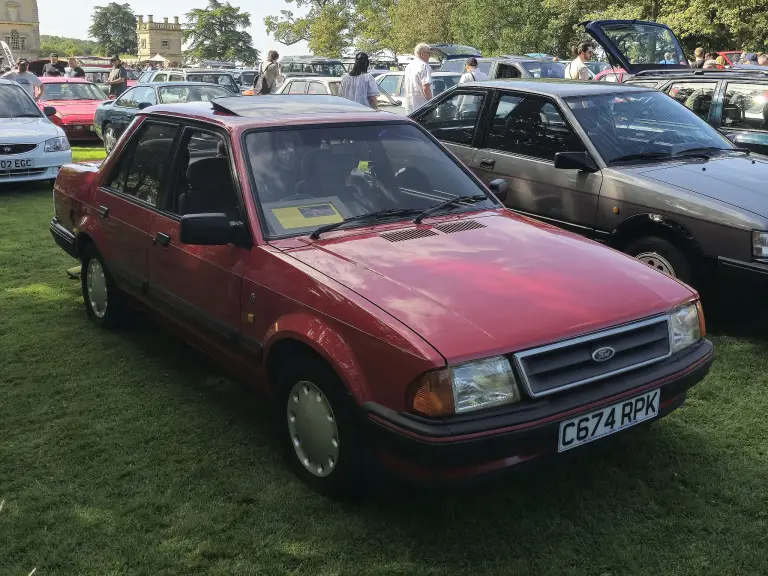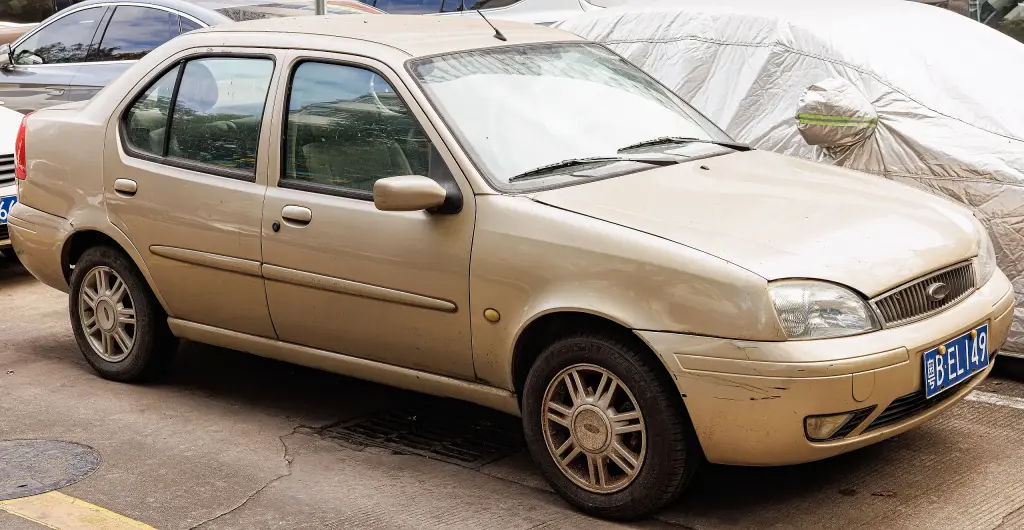
The Ford Ikon is a subcompact car produced by Ford since the end of 1999. It began as the four-door saloon version of the Fiesta hatchback, was designed specifically for India, and was built at Ford’s plant in Chennai.
Ford Ikon at a glance
| Maker | Ford India, Chennai |
|---|---|
| Launched | November 1999, New Delhi |
| Base | fourth-generation Ford Fiesta |
| First engine | 1.3-litre petrol, 69 hp |
| Added later | 1.6-litre petrol (2002), 1.8-litre diesel (2003) |
| Facelift | November 2008, with a Duratorq common-rail diesel |
| Top trim | Flair, with power steering, electric windows and air conditioning |
| Also built | South Africa and Mexico from 2001, China from 2003 |
| Other names | Ford Fiesta Sedan in South America and China |
| Second generation | Fiesta Mk 5-based saloons for India and Brazil |
This page is based on English Wikipedia only.
History of the Ford Ikon
A car designed for India
The first-generation Ikon was launched in November 1999 in New Delhi. It was based on the fourth-generation Fiesta hatchback and was designed specifically for the Indian market, after Ford’s officials recognised that a car tailored to local needs could do better than a global model. Production was at Ford’s factory in Chennai. The car was also sold in South America and China as the Ford Fiesta Sedan, and assembly began in South Africa and Mexico at the beginning of 2001 and in China from 2003 at the Changan Ford factory.
Engines and equipment
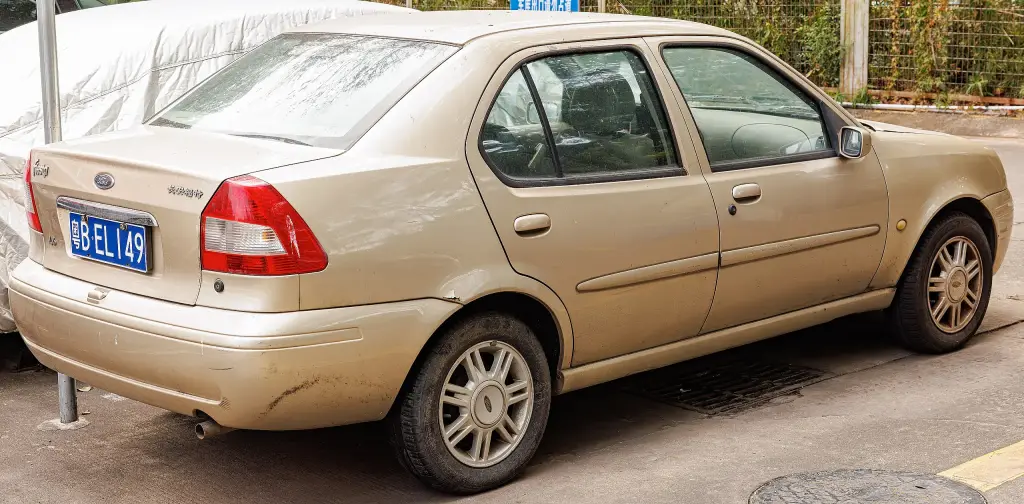
The first Ikon used a 1.3-litre single-overhead-camshaft petrol engine with electronic fuel injection and 69 hp. A 1.6-litre petrol version followed at the end of 2002 and a 1.8-litre diesel during 2003. The better-equipped Flair version had power steering, electric windows, air conditioning, central locking, a tachometer, side-impact beams and a new jeans blue colour. In China the car also came with a four-speed automatic, anti-lock brakes with electronic brake-force distribution, a CD player and changer, electric mirrors, remote central locking, an alarm and front airbags. A seven-seater Ikon Estate was developed from late 1998 and shown in March 1999, but its proportions did not work and the project was cancelled.
The facelift and the nameplate
In November 2008 the Ikon was facelifted and gained a new common-rail diesel from the Duratorq family, which delivered 68 hp and 160 Nm and joined the 1.3-litre petrol unit. A second generation was derived from the fifth-generation Fiesta as two different saloons, made in India and Brazil, but the Ikon name was used for them only in South Africa and Mexico. In Mexico the nameplate was also used for a redesigned hatchback version of the fifth-generation Fiesta, the Figo, imported from India.
Design and features
- Local design: a saloon developed for Indian buyers in 1999.
- Fiesta mechanicals: based on the fourth-generation Fiesta hatchback.
- Growing engine range: 1.3 and 1.6 petrol and a 1.8 diesel.
- Duratorq update: common-rail diesel added with the 2008 facelift.
Ford Ikon versions
- Ikon 1.3 (1999): the original petrol model.
- Ikon 1.6 (2002): the larger petrol engine.
- Ikon 1.8 diesel (2003): the diesel version.
- Flair: the better-equipped trim.
- Facelift (2008): with the Duratorq common-rail diesel.
- Ikon Estate: the seven-seater project that was cancelled.
The Ikon was the saloon version of the Fiesta, and its later generation was replaced in some markets by the Figo name. More Ford vehicles are in the Ford collection.
Sources
- Ford Ikon, English Wikipedia: launch, engines, markets, facelift