The Fiat 680 N lorry represented the first innovation in the field of heavy transport after the war for Fiat Veicoli Industriali. It replaced the Fiat 666 N and was produced from 1949 to 1952, with a six-cylinder diesel engine of 10,170 cc and a four-speed gearbox fitted with a reduction gear for each ratio.
Fiat 680 at a glance
| Production | 1949–1952 |
|---|---|
| Maker | Fiat Veicoli Industriali |
| Predecessor | Fiat 666 N |
| Engine | six-cylinder diesel, 10,170 cc |
| Valves | four per cylinder |
| Power | 123 CV |
| Gearbox | four speeds plus four reduced ratios and two reverse |
| Chassis | 4×2 and 6×2 |
| Bus derivatives | Fiat 680 RN and 680 RNU |
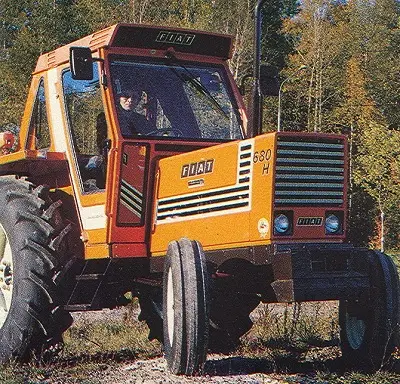
Based on one source, the Italian Wikipedia article. The model is the 680 N lorry, not the later Fiat 680 agricultural tractor.
History of the Fiat 680
A new heavy lorry for the post-war years
The 680 N replaced the Fiat 666 N in 1949. Fiat Veicoli Industriali presented it as the first innovation in heavy transport after the Second World War, and it stayed in production until 1952.
Engine and transmission
The lorry was equipped with a six-cylinder diesel engine of 10,170 cc with four valves per cylinder, producing a maximum output of 123 CV. The cab, although rounded in shape, was less austere than that of its predecessor. The gearbox had a reduction gear for each speed, giving four normal ratios, four reduced ratios and two reverse gears; the lever for the reduced ratios was positioned near the steering wheel.
Chassis and buses
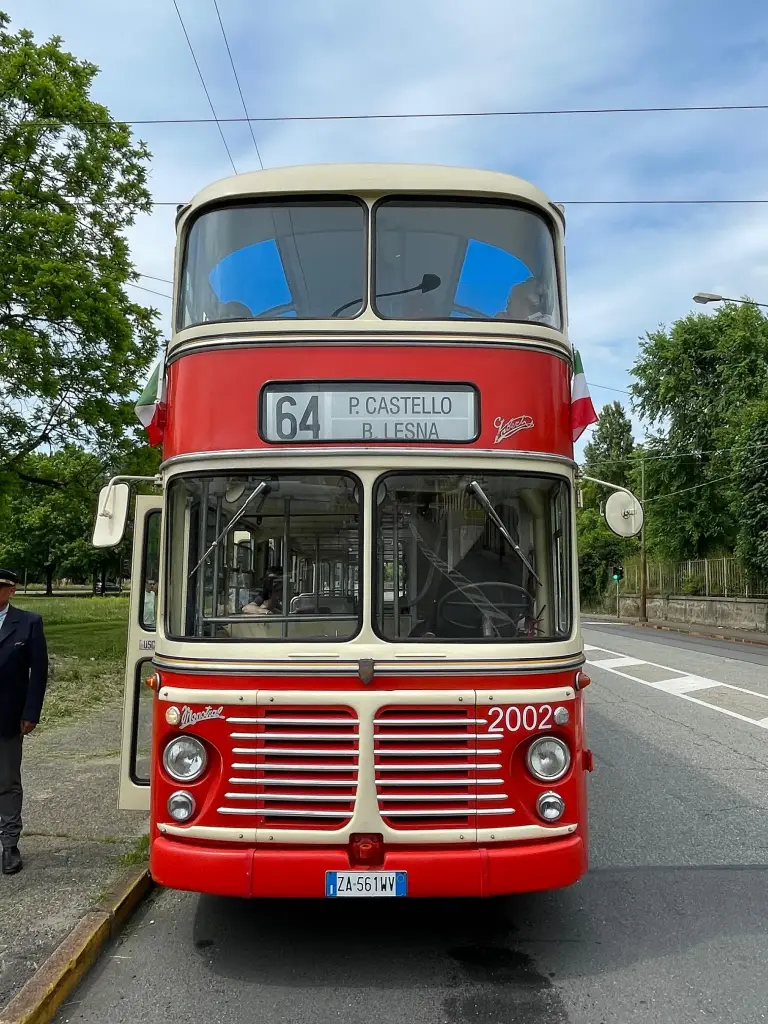
The 680 N was built both as a 4×2 and as a 6×2. The 6×2 versions had a third axle added by a specialist bodybuilder, since Fiat never produced bodies with an added steering third axle. Fiat also built lengthened chassis fitted with this engine and supplied them to the bodybuilders of the day, one of which was Viberti of Turin. In those workshops the various bus models named Fiat 680 RN, for extra-urban service, and 680 RNU, for urban service, were produced.
Design and features
- 10,170 cc six-cylinder diesel: four valves per cylinder and 123 CV.
- Reduction on every gear: four normal and four reduced ratios plus two reverse.
- 4×2 and 6×2 chassis: the second axle arrangement came from specialist bodybuilders.
- Chassis for coachbuilders: lengthened frames went to firms such as Viberti of Turin.
- Bus derivatives: the 680 RN and 680 RNU.
Fiat 680 versions
- 680 N 4×2: the standard two-axle lorry.
- 680 N 6×2: three-axle version with the third axle added by a bodybuilder.
- 680 RN: extra-urban bus on the lengthened chassis.
- 680 RNU: urban bus on the same chassis.
The 680 N replaced the Fiat 666. Other heavy vehicles of the period in the collection include the Fiat 642, and more are listed in the Fiat collection.
Sources
- Fiat 680, Italian Wikipedia: production, engine, gearbox, chassis, bus derivatives