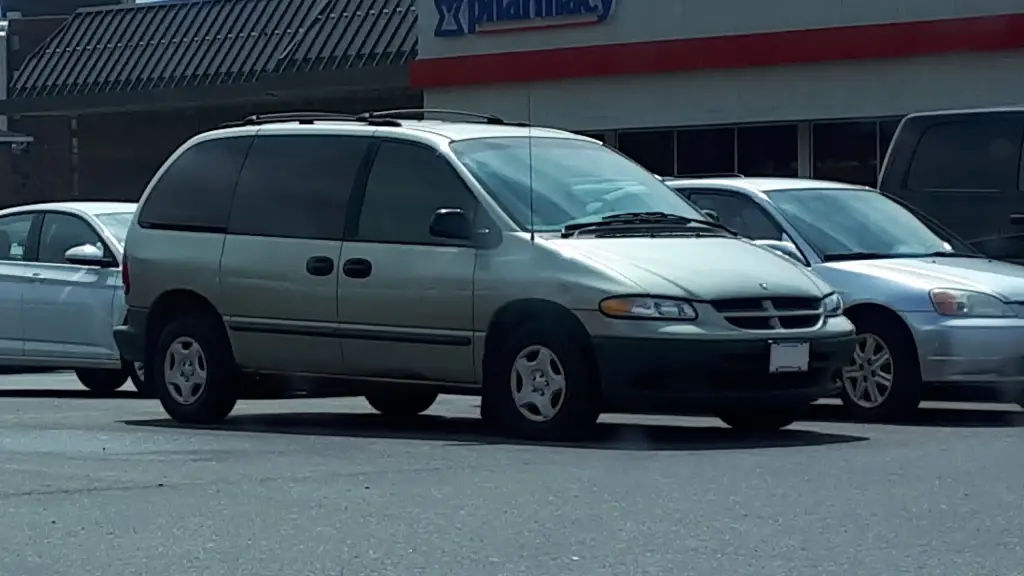
The Dodge Caravan is a series of minivans that Chrysler built from the 1984 through 2020 model years. The Dodge version was sold as both a passenger van and a cargo van, and in 1987 it was joined by the long-wheelbase Dodge Grand Caravan.
Dodge Caravan at a glance
| Maker | Chrysler (later Stellantis), Dodge division |
|---|---|
| Production | 1984-2020 model years, five generations |
| Factory | Windsor, Ontario; Saint Louis, Missouri (1987-2007) |
| Class | minivan |
| Layout | front-wheel drive |
| Body styles | passenger van and cargo van |
| Long version | Dodge Grand Caravan from 1987 |
| Twin model | Plymouth Voyager |
| Rebadged as | Chrysler Voyager/Caravan abroad; Volkswagen Routan 2009-2014 |
| Chrysler minivans sold | over 14.6 million worldwide |
| End of production | 21 August 2020 |
Based on one source: the English Wikipedia article on the Dodge Caravan.
History of the Dodge Caravan
Chrysler began work on the vehicle that became its minivan at the end of 1977. Designers wanted a van that would fit in a standard-height garage, with a low floor and car-like noise and vibration levels. Front-wheel drive was considered from the start, though rear-wheel drive was kept as a cheaper alternative, and the decision for front-wheel drive was taken after Hal Sperlich and Lee Iacocca moved from Ford to Chrysler in late 1978. The project was codenamed T-115. The Caravan and Voyager shared no chassis parts with the K-cars, but they did share engines and transmissions with them.
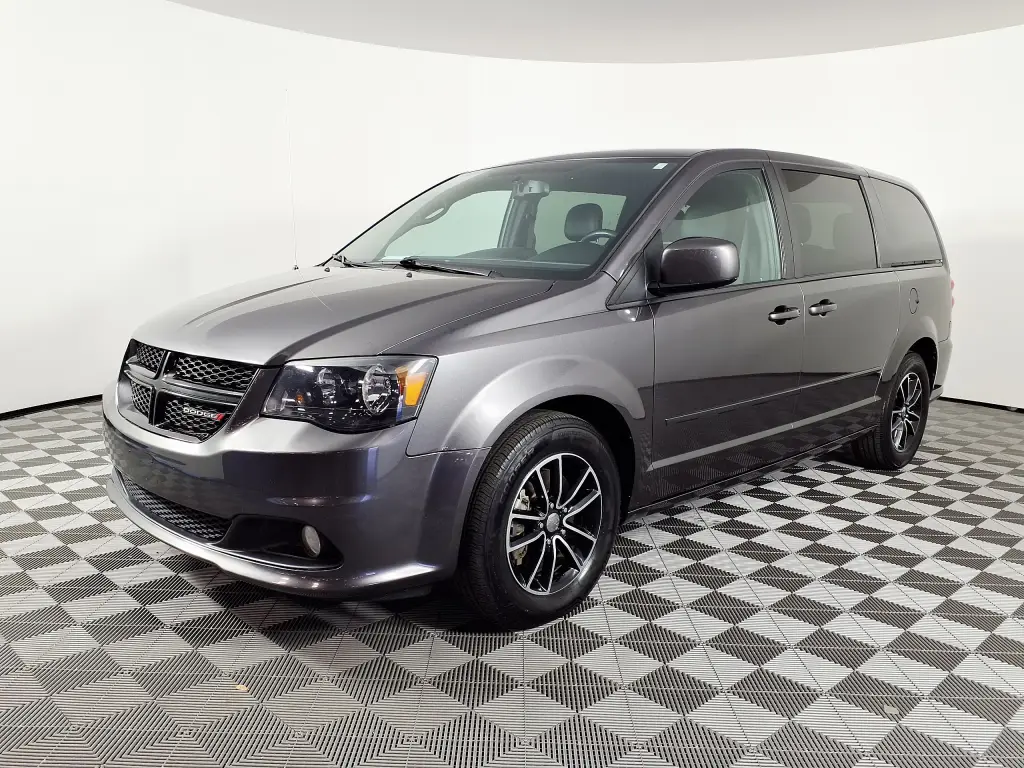
The Caravan was introduced alongside the Plymouth Voyager in November 1983 for the 1984 model year, having originally been planned for 1982. Interior trim, controls and instruments were borrowed from the Chrysler K platform, and the low floor made possible by front-wheel drive gave car-like ease of entry. Three trim levels were offered: base, SE and LE. The Caravan and Voyager are considered the first mass-produced vehicles with dedicated, built-in cup holders.
Base models seated five in two rows, while the LE came with seven seats in three rows. The front pair of bucket seats had armrests and open floor space between them, the second row was a bench and the third row was a three-person bench; the rear benches could be removed independently and the large three-person bench could be moved to the second-row position using a second set of attachment points normally hidden under plastic covers. A front 60/40 split bench that allowed eight passengers was offered only in the SE for 1985 and was later dropped. Safety equipment included three-point belts for the front two passengers and lap belts for the rear five, and the base model weighed 2,910 lb.
For 1987 the range was joined by the long-wheelbase Grand Caravan, and from then until 2007 the model line was also built at Saint Louis Assembly in Fenton, Missouri. The Caravan was marketed in Europe and other export markets under the Chrysler brand as the Chrysler Voyager or Chrysler Caravan, and from 2009 to 2014 the same vehicle was rebranded as the Volkswagen Routan. From 2008 Dodge sold the line only as the Grand Caravan, while Ram Trucks offered a cargo-only version as the Ram C/V Tradesman. Production of the Dodge Grand Caravan ended on 21 August 2020, and for 2021 the Grand Caravan name moved to Chrysler for a Canadian-market version of the Pacifica.
Design and features
- Front-wheel-drive packaging: a low floor and car-like entry in a van body.
- Built-in cup holders: among the first mass-produced vehicles to have them as standard equipment.
- Flexible seating: removable rear benches and a third-row bench that could move to the second row.
- Long-wheelbase option: the Grand Caravan from 1987 offered more space in the same range.
Dodge Caravan versions
- Caravan (1984-2007): the short-wheelbase minivan in passenger and cargo forms.
- Grand Caravan (1987-2020): the long-wheelbase version that outlived the short one.
- Chrysler Voyager and Caravan: export names used outside North America.
- Volkswagen Routan (2009-2014): the same vehicle sold with VW badges.
The Caravan shared its engines with the Dodge Aries generation of K-cars, and its cargo role was later shared with the Dodge Ram Van. More Dodge models are in the Dodge collection.
Sources
- Dodge Caravan, English Wikipedia: development, first generation, production, rebadging