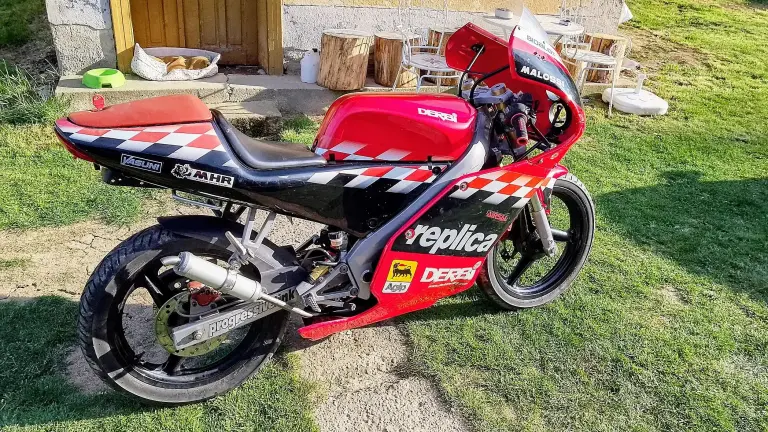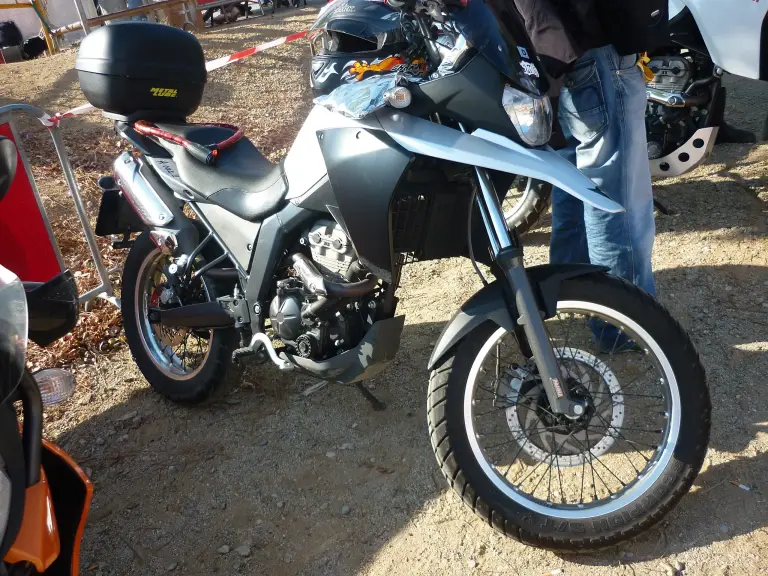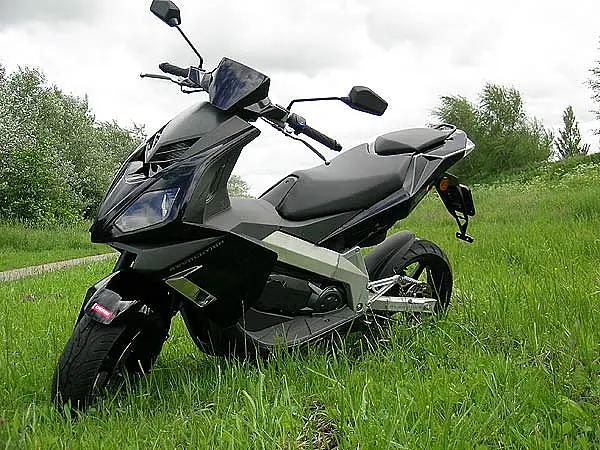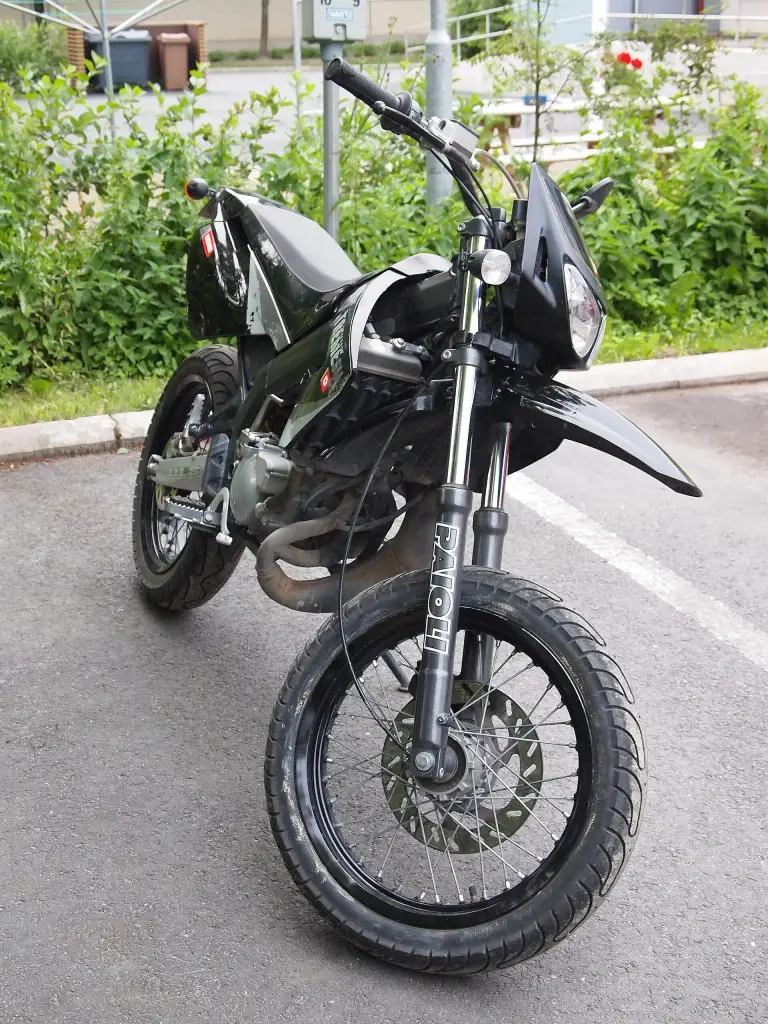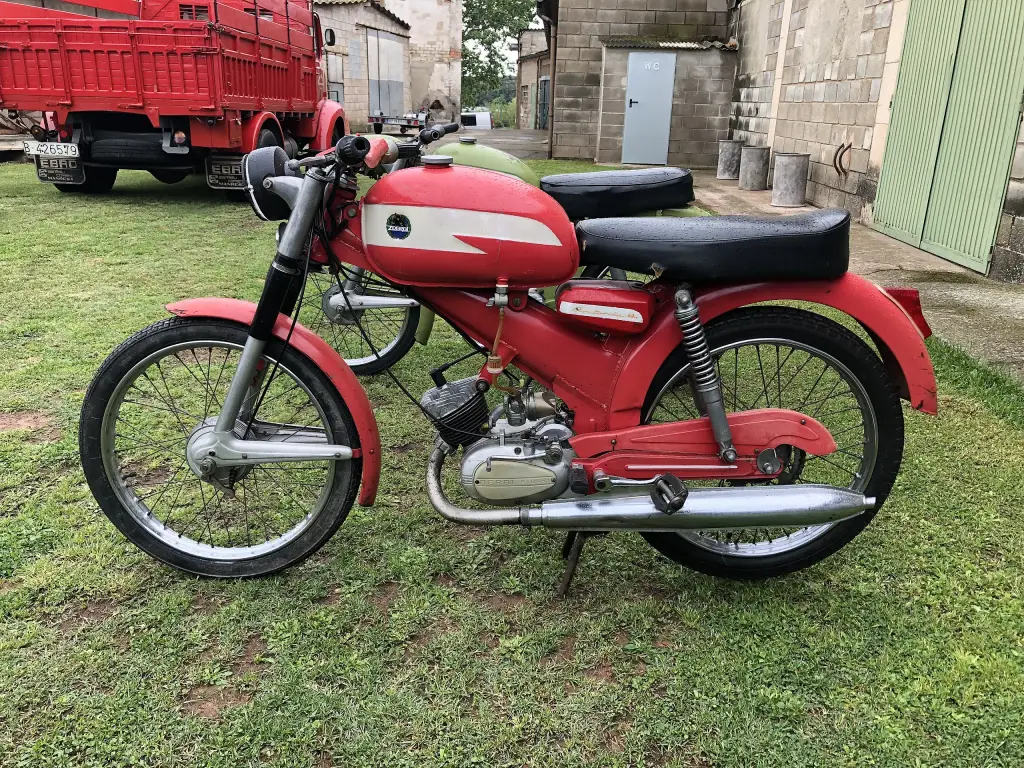
The Derbi Antorcha 49 was a small moped made by the Spanish firm Derbi from 1965. It became one of the country’s best-known two-wheelers: in all its versions more than 500,000 were built before production ended around 1980. On the Mediterranean coast it was nicknamed the Derbi paleta.
Derbi Antorcha at a glance
| Maker | Derbi, Spain |
|---|---|
| Model | Antorcha 49 |
| Production | 1965–about 1980 |
| Total built | more than 500,000 in all versions |
| Capacity | 49 cc |
| Successor | Antorcha Super 49, from 1977 |
| Nickname | Derbi paleta on the Mediterranean coast |
| Main variants | Normal, Especial, Super, Campeona, Supercampeona |
| Sports variants | GT-4V, GTS-4V |
| Racing-inspired range | Olímpica Campona, Campeona, Campeona E, Subcampeona, Especial, Super |
| Differences between versions | bodywork, fuel tank, engine cowl, sealed rear chain, chrome rear springs |
based on one source; the Spanish Wikipedia article on the Antorcha is short, so this page covers only what it states.
History of the Derbi Antorcha
Derbi began building the Antorcha 49 in 1965. It was a simple moped aimed at everyday transport, and it arrived at the moment when small-capacity motorcycles and mopeds were becoming the ordinary way for Spanish families to get around. The model stayed in production for about fifteen years and was made in a very large number of versions.
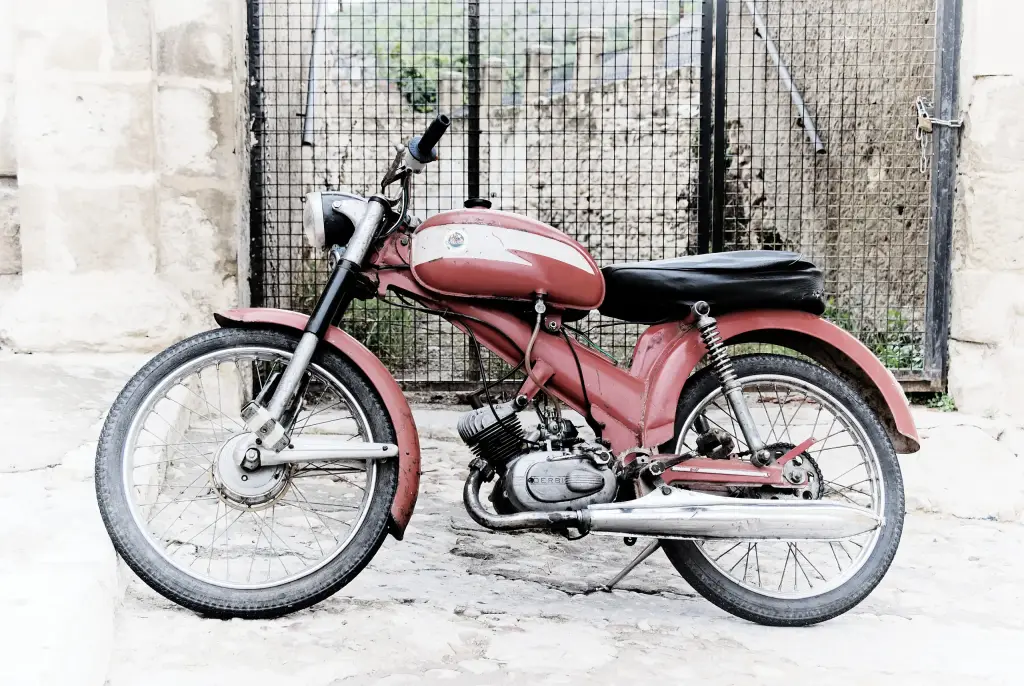
In 1977 the Derbi Antorcha Super 49 appeared and took the place of the original Antorcha in the range. Behind it came a long list of variants: Normal, Especial, Super, Campeona, Supercampeona, Especial Campeona, Especial Super, GT-4V and GTS-4V, followed by a whole family of Olímpica models — Campona, Campeona, Campeona E, Subcampeona, Especial, Especial Extra, Especial Super and Super. The names reflect the racing success that Derbi used to sell its road machines.
The differences between the versions were mostly in the bodywork: a different fuel tank, a cowl over the engine, a fully sealed rear chain and chrome-plated exposed rear springs. Production ended around 1980, by which time the Antorcha had become one of the most common mopeds in Spain.
Design and features
- 49 cc two-stroke engine: the basis of every Antorcha version.
- Huge production run: more than 500,000 units in all versions.
- Many trim levels: from the plain Normal to the racing-named Olímpica models.
- Local fame: known on the Mediterranean coast as the Derbi paleta.
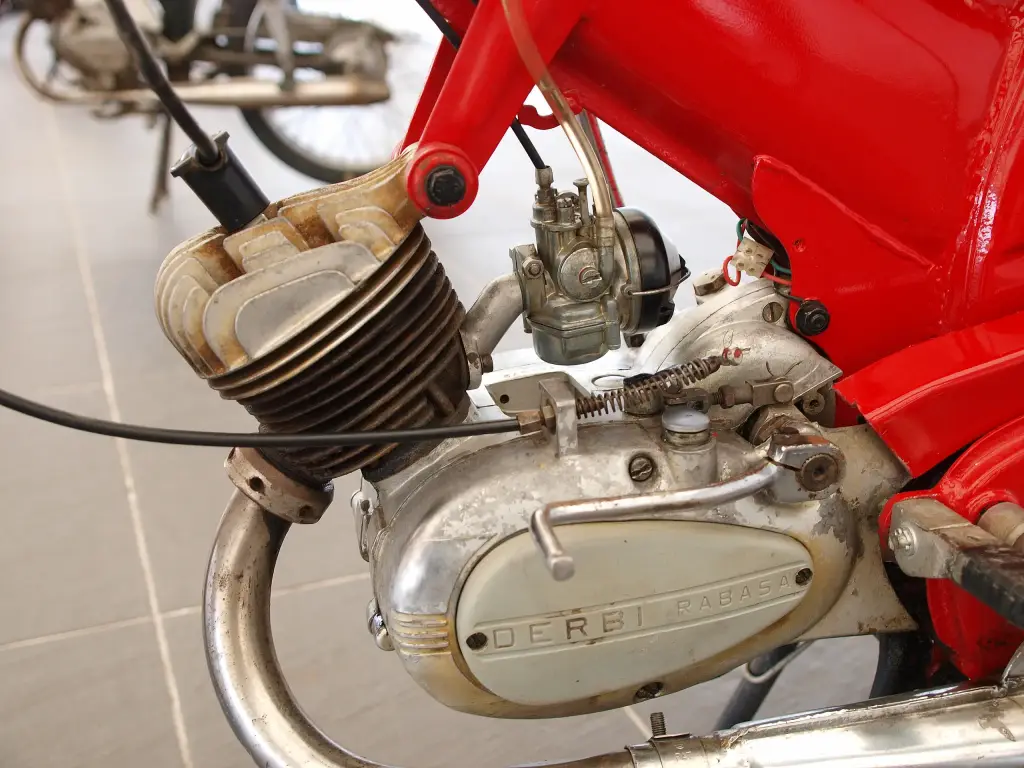
Derbi Antorcha versions
- Antorcha 49: the original model of 1965.
- Antorcha Super 49: introduced in 1977 as the replacement for the first model.
- Campeona and Supercampeona: sportier versions in the middle of the range.
- GT-4V and GTS-4V: versions with different bodywork and equipment.
- Olímpica range: a long series of models, from Campona to Especial Super, named after racing results.
Other small Derbi machines are described in the articles on the Senda and the GPR. More motorcycles are in the Derbi collection.
Sources
- Derbi Antorcha, Spanish Wikipedia: production years, versions, total built