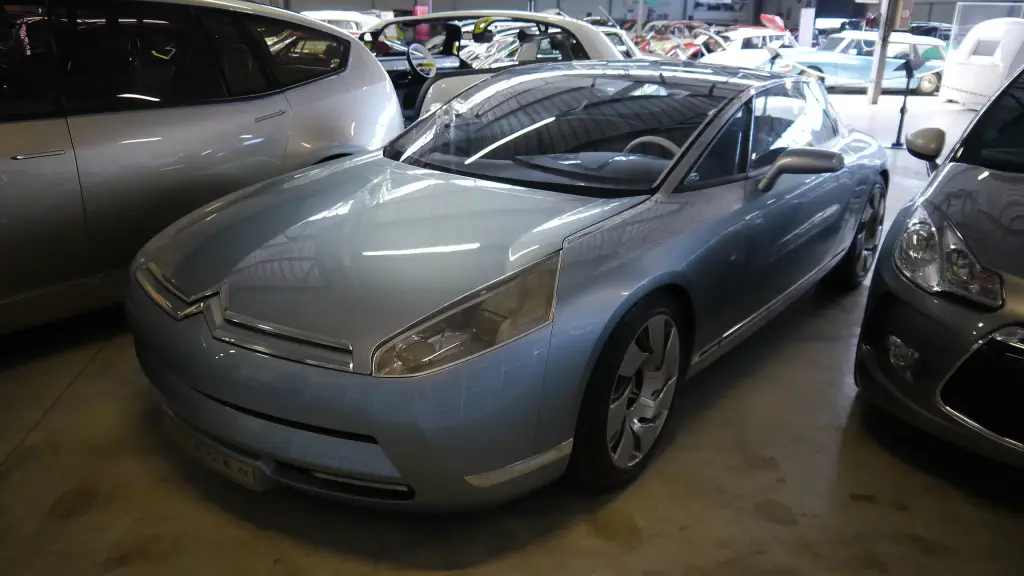
The Citroën C-Airdream is a concept car created by Citroën and first presented at the 2002 Paris Motor Show. It was designed to be very slender and aerodynamic.
Citroën C-Airdream at a glance
| Maker | Citroën (PSA Peugeot Citroën), France |
|---|---|
| Type | concept car |
| Shown | Paris Motor Show, 2002 |
| Body | two-door coupé |
| Engine | naturally aspirated 3.0-litre V6 |
| Power | 210 hp (157 kW) |
| Torque | 260 N·m (192 lb·ft) |
| Drag coefficient | Cd 0.28 |
| Roof | all glass |
| Controls | no foot pedals or gear lever; drive-by-wire on the steering wheel |
Based on one source (English Wikipedia); the article is short because the source is.
History of the Citroën C-Airdream
A study in slenderness
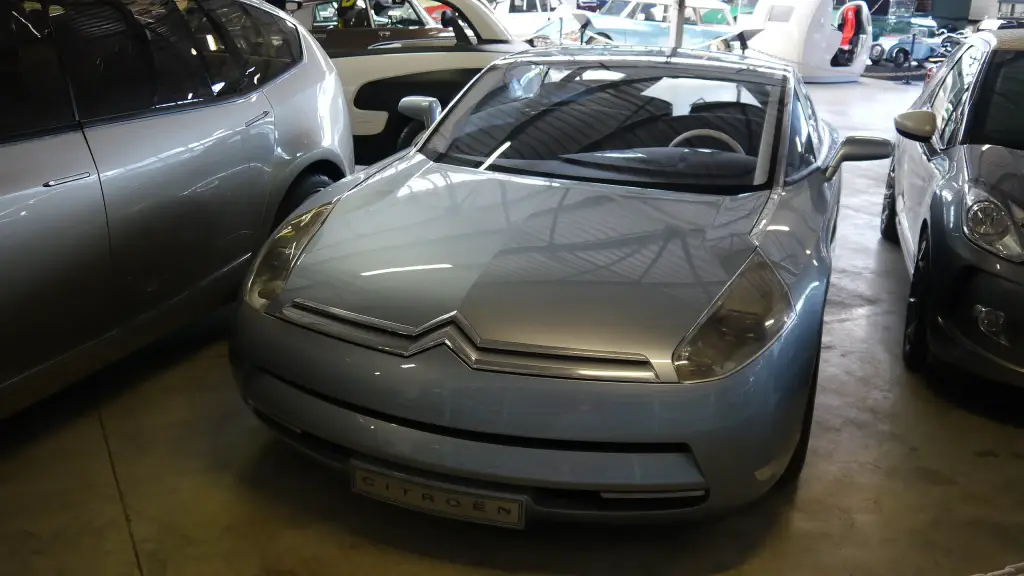
The C-Airdream was built to be very slender and aerodynamic, and the result is visible in its proportions and in a drag coefficient of 0.28. The two-door body is topped by an all-glass roof.
Drive-by-wire
Inside there are no foot pedals and no gear lever: all the driving controls are drive-by-wire and located on the steering wheel. Underneath sits a naturally aspirated 3.0-litre V6 producing 210 hp (157 kW) and 260 N·m (192 lb·ft) of torque.
Design and features
- Cd 0.28: a very low drag figure for a 2002 concept.
- All-glass roof: light and space in a low, slender body.
- No pedals: throttle and brakes moved to the steering wheel.
- 3.0 V6: 210 hp and 260 N·m, naturally aspirated.
Citroën C-Airdream versions
- C-Airdream (2002): the single show car.
The C-Airdream belongs with Citroën’s other design studies, such as the C-Airplay and the Survolt. Production cars are in the Citroën collection.
Sources
- Citroën C-Airdream, English Wikipedia: show, engine, aerodynamics, controls