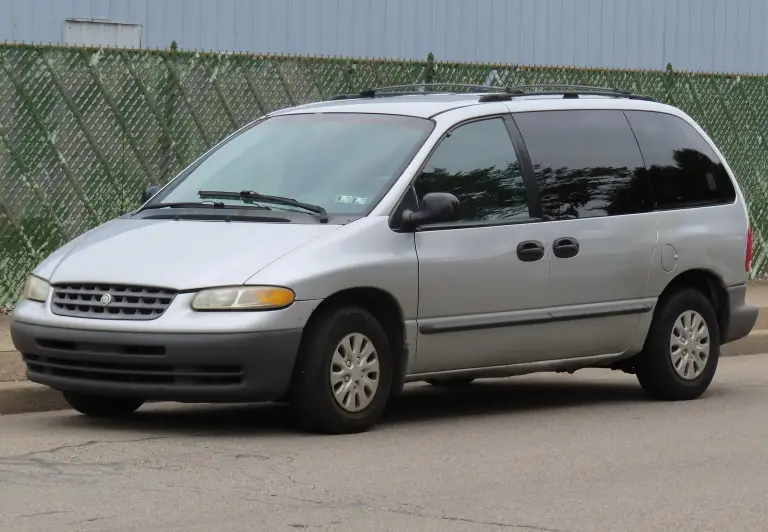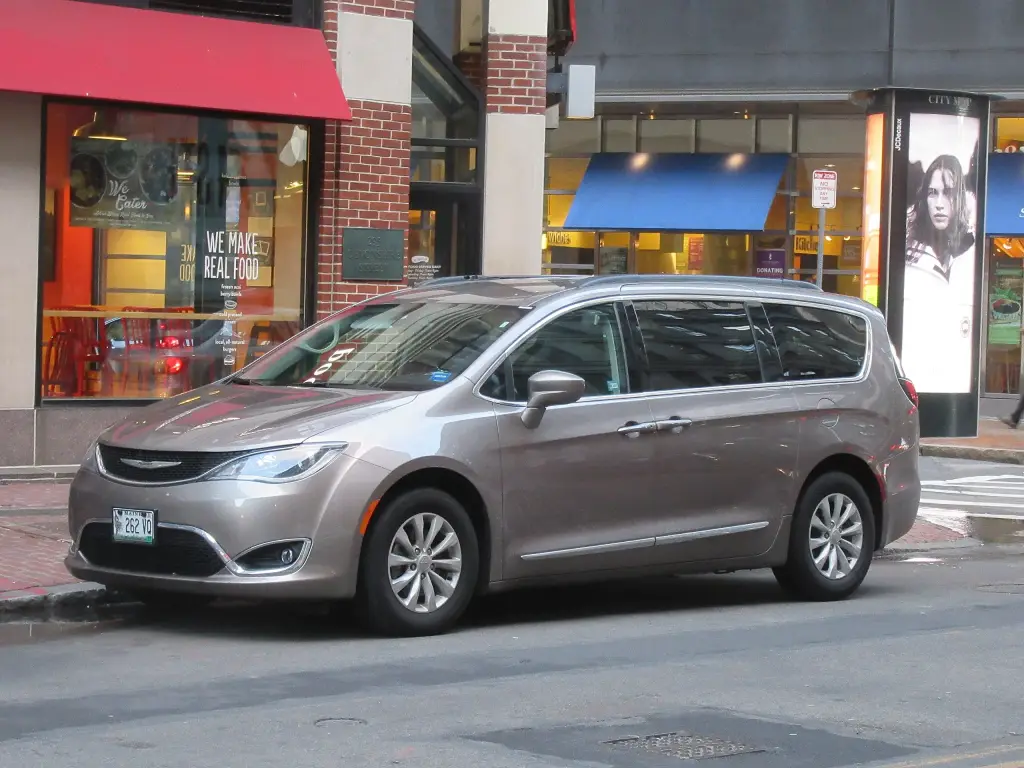
The Chrysler Pacifica was a mid-size crossover built from 2003 to 2007 for the 2004 to 2008 model years. The first jointly engineered product of the 1998 DaimlerChrysler merger, it was marketed as a “sports-tourer”, offered three rows of seats and was replaced in the range by the Town & Country-based minivan that took its name in 2017.
Chrysler Pacifica at a glance
| Production | January 2003 – November 2007 |
|---|---|
| Model years | 2004–2008 |
| Class | mid-size crossover “sports-tourer” |
| Built at | Windsor Assembly Plant, Ontario |
| Development | 30 months, under US$1 billion |
| Engines | 3.5 L V6, 250 hp; 3.8 L V6, 210 then 200 hp; 4.0 L V6, 255 hp from 2007 |
| Transmission | four-speed Autostick; six-speed with the 4.0 |
| Drive | front- or all-wheel drive |
| Seating | three rows |
| Towing | 3,500 lb (1,600 kg) |
| Cargo | 79.5 cu ft (2,250 L) with rows two and three folded |
History of the Chrysler Pacifica
A merger product
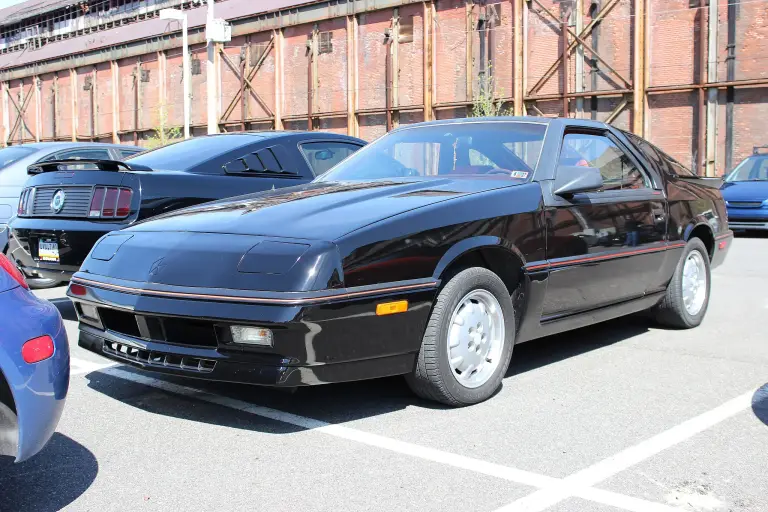
The Pacifica was the first jointly engineered product of the 1998 DaimlerChrysler “merger of equals”. Chrysler developed it in 30 months for less than a billion dollars, inspired by the 1999 Chrysler Pacifica and 2000 Chrysler Citadel concept cars, and showed the production version at the 2002 New York International Auto Show. It was sold as a “sports-tourer” and built at the Windsor Assembly Plant alongside the long-wheelbase minivans. The name had briefly been used on a Dodge Daytona trim package for 1987–1988, and in January 2016 Chrysler revived it for a 2017 minivan that replaced the Town & Country.
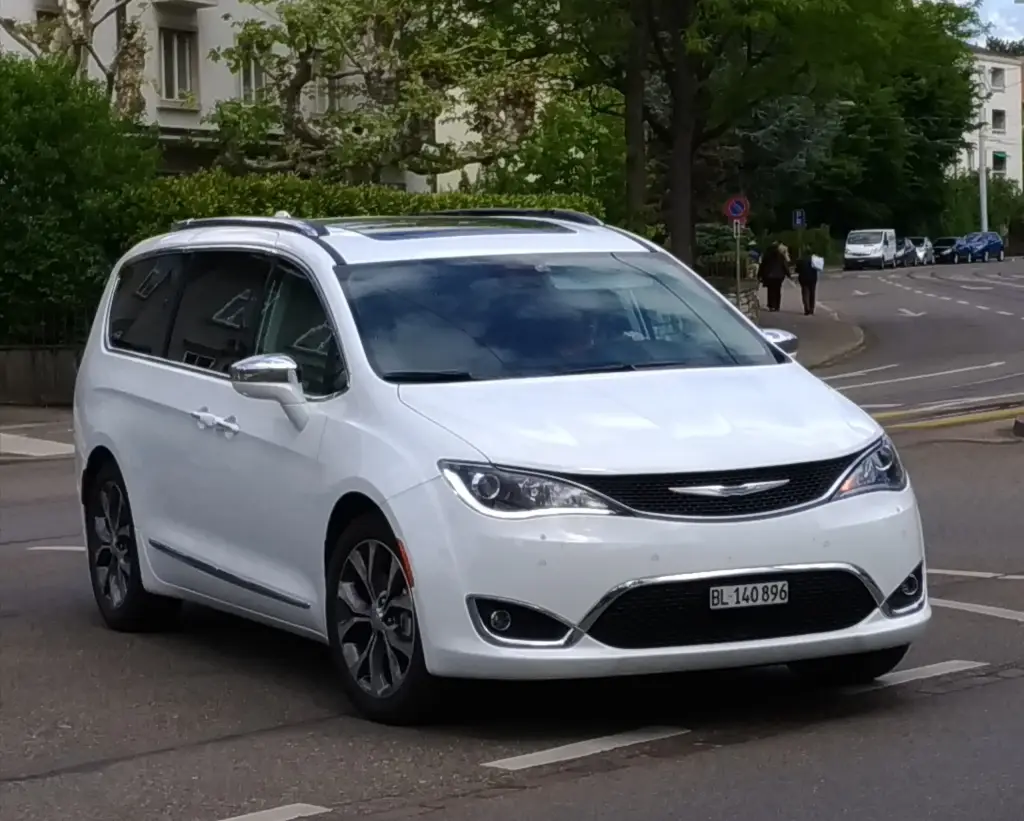
Model years
The car launched for 2004 in a single trim level, lavishly equipped with luxury features such as navigation, a DVD entertainment system and load-levelling suspension, which made it expensive. From 2005 it was expanded into Base, Touring, Limited and a Signature Series, with a slightly restyled interior: faux wood came standard on Touring and Limited, the base car used interior-coloured plastic trim and the Signature Series had metal-clad trim with two-tone leather seats. For 2007 the exterior was restyled with new headlights, bonnet, wings, grille, front fascia and wheels, a new 4.0-litre SOHC V6 joined the 3.8-litre standard engine, dual exhaust was added and new options included a rear-view camera in the navigation system and stain-, odour- and static-resistant seat fabric. Chrysler announced discontinuation on 1 November 2007 and the last Pacifica was built on 23 November 2007.
Engineering and equipment
Pacifica crossovers used Autostick transaxles, a five-link rear suspension, self-levelling rear shock absorbers and variable-assist rack-and-pinion steering, and could tow 3,500 lb. The first engine was a 3.5-litre V6 with 250 hp and 250 lb·ft, criticised as gruff for the car’s weight, especially in fully loaded all-wheel-drive form; the 3.8-litre V6 with 210 hp and 240 lb·ft served the base front-wheel-drive model in 2005, was dropped for 2006, and returned for 2007 at 200 hp while a new 4.0-litre V6 with 255 hp and 265 lb·ft replaced the 3.5 elsewhere, mated to a six-speed automatic that gave a 0–60 mph time of 7.4 seconds. Third-row seating was standard on all but the entry cars after 2004, the front seats were power-adjustable and cargo space reached 79.5 cubic feet with the second and third rows folded. In 2006 the Pacifica won an Insurance Institute for Highway Safety “best pick frontal” award and in 2007 a five-star front and side rating, with traction control, four-wheel disc brakes, all-row side curtain airbags, electronic stability programme and tyre pressure monitoring.
Design and features
- DaimlerChrysler’s first joint car: engineered in 30 months for under a billion dollars.
- Three rows: standard on all but entry cars built after 2004.
- Two V6 ranges: 3.5 and later 4.0 litres up front, with the 3.8 for base models.
- Self-levelling suspension: five-link rear axle with load-levelling shock absorbers and 3,500 lb towing.
- Safety equipment: stability control, side curtain airbags and a five-star crash rating in 2007.
Chrysler Pacifica versions
- Base / Pacifica LX: the entry trim, with cloth and plastic interior trim.
- Touring: faux wood trim and automatic climate control.
- Limited: the top trim with leather, navigation and premium audio.
- Signature Series (2005): metal-clad interior trim and two-tone leather seats.
The Pacifica was inspired by the Citadel concept and sat below the truck-based Chrysler Aspen; its name later passed to a minivan related to the Town & Country. More cars are in the Chrysler collection.
Sources
- Chrysler Pacifica (crossover), English Wikipedia: development, model years, engines, equipment
- Chrysler Pacifica crossover, Wikimedia Commons: photographs