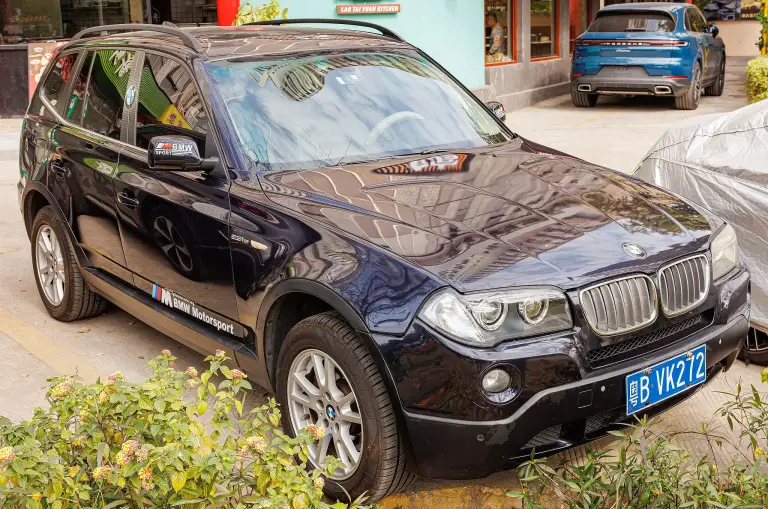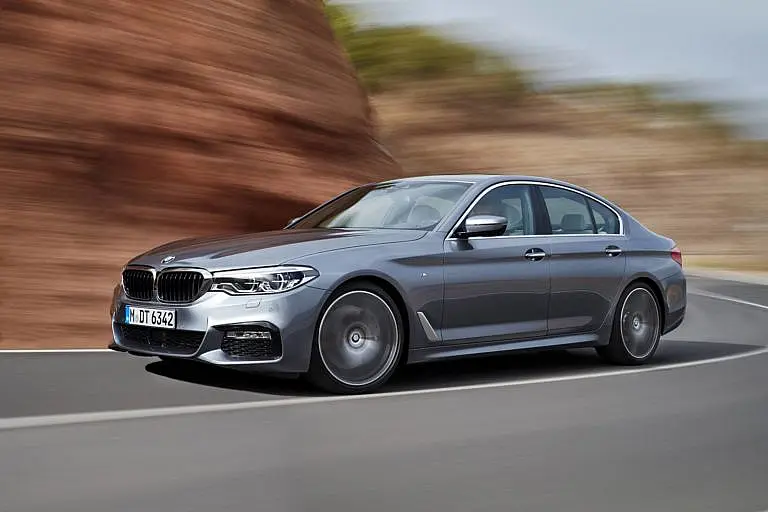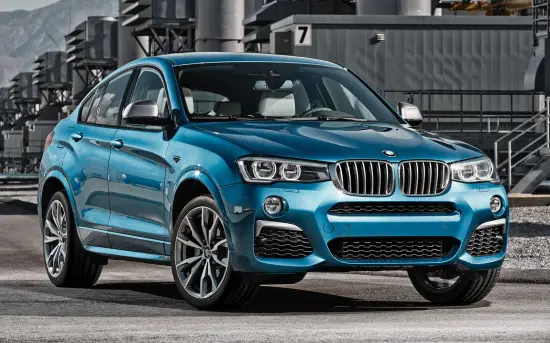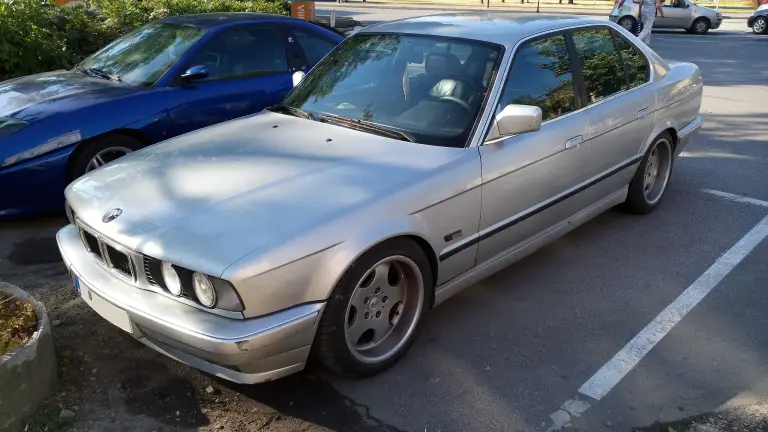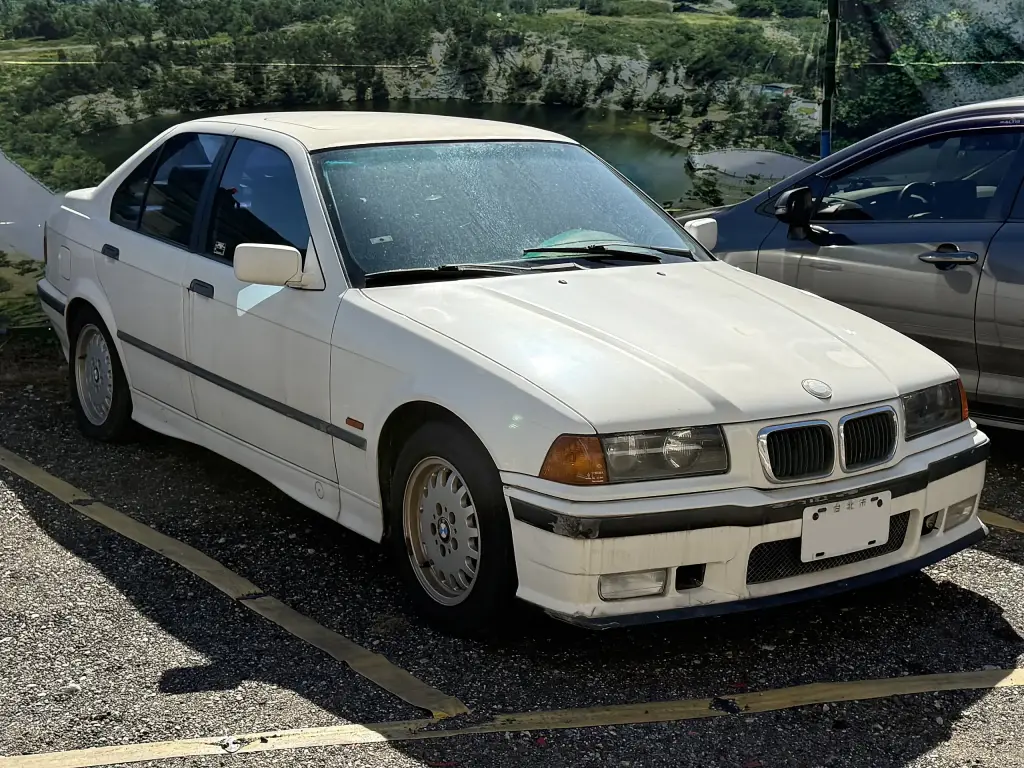
The third generation of the BMW 3 Series arrived in 1990 with an all-new chassis and a body shaped by aerodynamics rather than by the boxy style of its predecessor. Over ten years it grew into five body styles, from the saloon to the Compact hatchback. It was the first 3 Series with a hatchback, a six-speed manual gearbox and a four-cylinder diesel engine.
BMW 3 Series (E36) at a glance
| Maker | BMW, Munich |
|---|---|
| Production | 1990–2000 |
| Body styles | saloon, coupé, convertible, Touring, Compact |
| Layout | rear-wheel drive only; no all-wheel drive offered |
| Rear suspension | “Z-axle” multi-link, as used on the Z1 |
| Touring production | 105,606 built (November 1994–1999) |
| Diesel engines | M51 six in the 325td and 325tds, M41 four in the 318tds |
| M3 engine | S50 straight-six, 3.0 litres from 1992, 3.2 from 1995 |
| Transmissions | five- and six-speed manual, four- and five-speed automatic |
| Designers | Pinky Lai and Boyke Boyer |
| Notable firsts | hatchback body, six-speed manual, four-cylinder diesel |
| Successor | E46 3 Series (from 1998) |
Based on one source, the English Wikipedia article on the E36; the German article was not available.
History of the BMW 3 Series (E36)
Development and launch
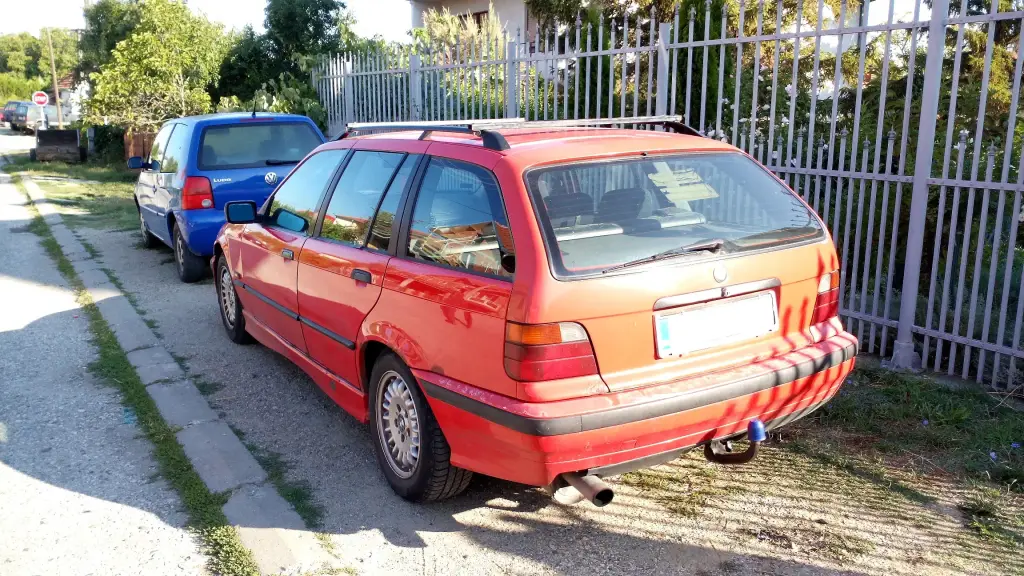
Work on the E36 began in 1981 and lasted through the 1980s. The exterior was driven by aerodynamics, which produced the wedge profile, covered headlights and smaller door mirrors; Pinky Lai and Boyke Boyer led the design. Production started in October 1990, the press release followed in November and European sales opened in early 1991. The E36 was on Car and Driver’s 10Best list in every year it was sold.
Body styles
The saloon came first and was built from 1990 to 1998. The coupé ran from 1990 to 1999 and the convertible from 1993 to 1999; a four-door Baur “Top Cabriolet” conversion was also offered. The Touring estate arrived later than expected, in March 1995, initially only as a 320i or 328i, with the 318tds following in July 1995 and the 318i in September. The Compact hatchback, sold from 1994 to 2000, kept the semi-trailing arm rear suspension of the older E30 to save space under its shortened tail, while the other bodies used the new multi-link arrangement with rear toe-in to calm the oversteer of the previous generation.
Engines and equipment
Petrol four-cylinders began as carried-over M40 and M42 units, replaced by the M43 in 1993 and the M44 in 1996. Six-cylinder cars started with the new M50, gained single-VANOS in late 1992, and moved to the M52 in 1995, when the 328i replaced the 325i and a 323i with a 2.5-litre version of the same engine joined the range. Diesels were limited to saloon, Touring and Compact bodies: the six-cylinder M51 in the 325td, the intercooled 325tds from 1993 and the four-cylinder 318tds from 1994. Safety equipment included a driver’s airbag, a passenger airbag from 1993, side airbags on later cars, ABS and stability control. A rear bench with two integrated child booster seats was a first for BMW, and six-cylinder cars carried the battery in the boot to keep the 50:50 weight distribution.
Design and features
- Z-axle rear suspension: a multi-link layout taken from the Z1, with rear toe-in to reduce oversteer.
- Aerodynamic body: wedge shape, covered headlights and small mirrors, with a cabin designed to take a passenger airbag from the start.
- Five body styles: the widest 3 Series range up to that point, including the first hatchback.
- New diesels: the first four-cylinder diesel in a 3 Series, plus the six-cylinder 325tds.
- Integrated child seats: an optional rear bench with two built-in booster seats, a BMW first.
BMW 3 Series (E36) versions
- Saloon (1990–1998): the original four-door.
- Coupé (1990–1999): two doors, petrol engines only.
- Convertible (1993–1999): factory soft-top, with a Baur Top Cabriolet alternative.
- Touring (1994–1999): five-door estate, 105,606 built.
- Compact (1994–2000): three-door hatchback on E30-type rear suspension.
- M3 (from 1992): S50 six in coupé, saloon and convertible form, no longer a homologation special.
The E36 was replaced by the E46 3 Series, and its performance version is covered in the BMW M3 article. More cars are in the BMW collection.
Sources
- BMW 3 Series (E36), English Wikipedia: development, body styles, engines, equipment