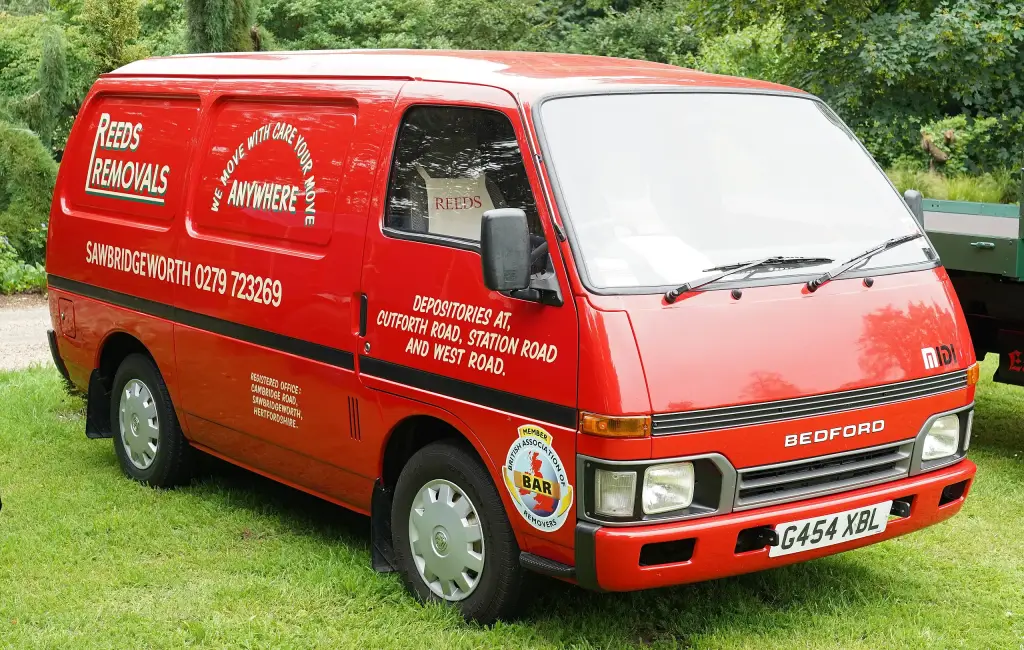
The Bedford Midi was a version of the Isuzu Fargo light van, built by Vauxhall at Luton and sold as a Bedford between 1985 and 1994. It replaced the old Bedford CF as a stop-gap design and later became the Vauxhall Midi.
Bedford Midi at a glance
| Maker | Bedford (Vauxhall) |
|---|---|
| Production | 1985-1994 |
| Built at | Luton |
| Based on | Isuzu Fargo |
| Replaced | Bedford CF |
| Petrol engines | 1.8 and 2.0 litres |
| Diesel engines | 2.0, 2.2 and 2.4-litre turbo |
| Gearbox | column or floor shift |
| Wheelbases | short and long |
| Roofs | standard or high |
| Minibus version | Albany |
| Also sold as | Vauxhall Midi, GME Midi, Isuzu Midi, Bedford Seta |
History of the Bedford Midi
An Isuzu-based stop-gap
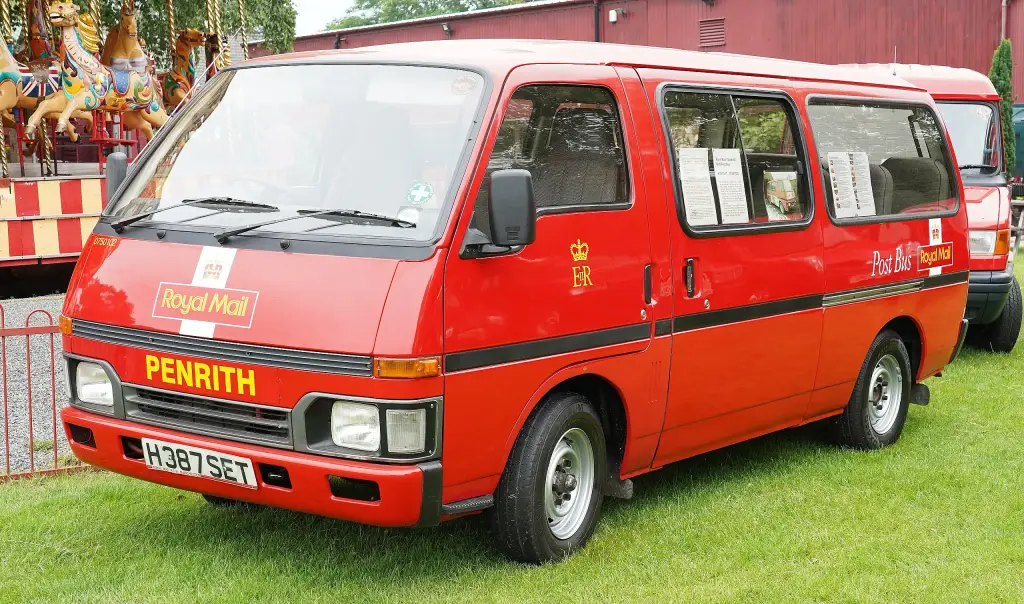
General Motors-owned Vauxhall Motors offered a version of the Isuzu Fargo as the Bedford Midi between 1985 and 1994. Built in Luton, the Midi brought few changes to the Japanese Fargo and replaced the old Bedford CF van. It was very much a stop-gap design to replace the old CF range, but a true CF replacement never came. The van also signified the end of Bedford and its own designs, as GM used other companies’ designs it co-owned as a cheaper option. Talks were held with Freight Rover during 1985 to produce the Sherpa 300 series van under licence, but the idea was abandoned by the end of 1986.
The changes from the Japanese version were concentrated in the front section of the body, which had to be stiffened to withstand European homologation crash tests. Concerns also arose over crashworthiness following a test on the Japanese-built WFR. Versions sold in continental Europe and Ireland carried various names, including Bedford Seta in Portugal, General Motors Midi, GME Midi in Spain and Isuzu Midi.
Range and equipment
Engines offered were petrol units of 1.8 and 2.0 litres and diesels of 2.0, 2.2 or 2.4 litres with turbocharging, all of Isuzu origin. The Midi could be ordered with an old-fashioned column-mounted gear change, which allowed a third central passenger seat in the front, or with a conventional floor shift and two front seats. It was available in short and long wheelbases with a choice of standard or high roof lines. A minibus version named the Albany was also produced.
The Midi was restyled in 1989 and given a new dashboard panel and seating, together with new door trims and front-end fascia. The engine range remained much the same. Following the sale of Bedford Vehicles to AWD, the Midi was rebadged as the Vauxhall Midi. Production ceased in 1994: short-wheelbase models were replaced by the Vauxhall Arena, while long-wheelbase models were replaced in 1997 by the Vauxhall Movano, both based on Renault products.
Design and features
- Isuzu base: the Midi was a lightly changed Isuzu Fargo, built at Luton.
- Strengthened front body: the front section was stiffened for European crash-test homologation.
- Column or floor shift: the column change allowed a third front passenger seat, while the floor shift came with two individual seats.
- Body choice: short and long wheelbases, standard or high roofs, and the Albany minibus.
- End of Bedford’s own designs: the Midi replaced the CF but was a stop-gap, and it later became the Vauxhall Midi.
Bedford Midi versions
- Bedford Midi van: the standard panel van, in short or long wheelbase.
- High-roof Midi: a taller body for more load space.
- Albany minibus: the passenger-carrying version.
- Vauxhall Midi: the rebadged version after the sale of Bedford Vehicles to AWD.
- GME Midi, Isuzu Midi and Bedford Seta: the names used in continental Europe and Ireland.
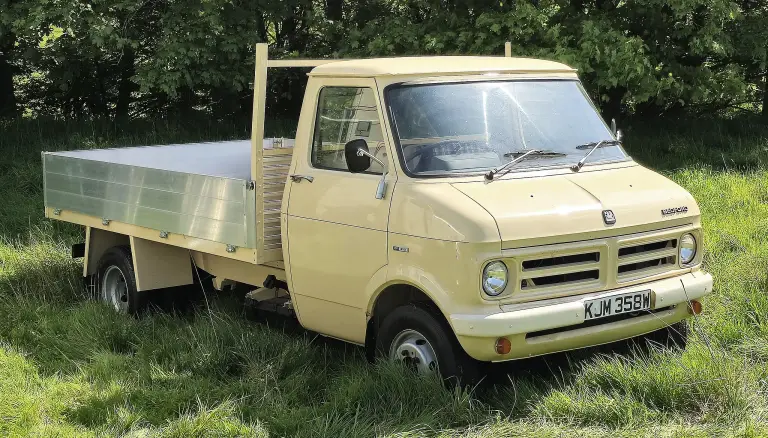
The Midi replaced the Bedford CF and shared its Isuzu parentage with the Bedford KB pickup. More are in the Bedford collection.
Sources
- Isuzu Fargo, English Wikipedia: Bedford Midi section, engines, body styles, end of production
- Isuzu Fargo, Italian Wikipedia: European changes and Vauxhall Midi