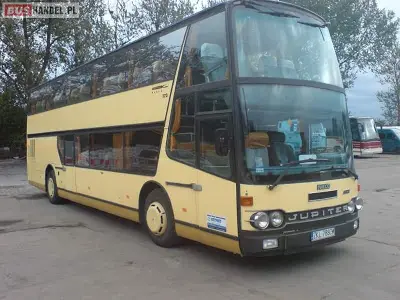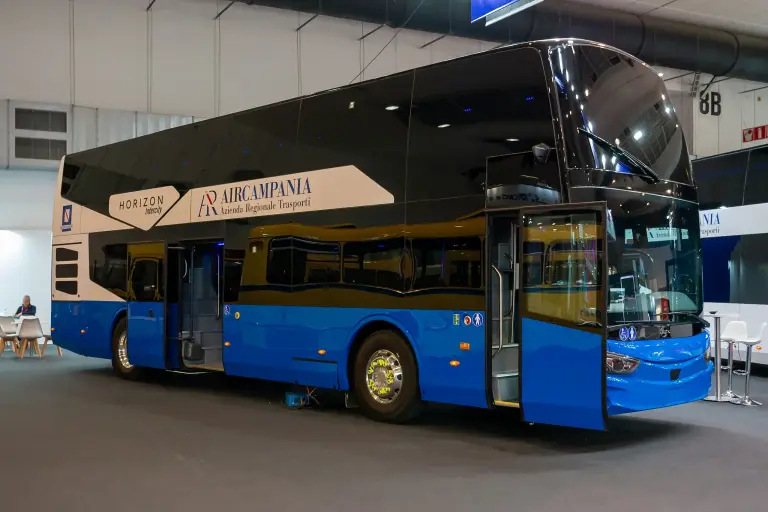
The Ayats Bravo is a range of coaches manufactured by the Spanish coachbuilder Ayats. Its four variants — the Bravo 1, Bravo 2, Bravo 3 and Bravo City — share similar styling but serve very different jobs, from long-distance double-deckers to open-top sightseeing buses.
Ayats Bravo at a glance
| Maker | Carrocerías Ayats SA, Arbúcies, Catalonia, Spain |
|---|---|
| Type | range of coach bodies |
| Variants | Bravo 1, Bravo 2, Bravo 3, Bravo City |
| Construction | built to order on a wide variety of chassis, or as integral products |
| Bravo 1 lengths | 12 m, 13.0 m, 13.1 m, 13.75 m and 15 m |
| Bravo 1 seating | typically up to 89 in the 13.75 m version |
| Bravo 2 lengths | 12 m, 13.0 m, 13.1 m, 13.75 m; up to 65 seats |
| Bravo 3 seating | up to 75 in the 13.75 m version |
| Bravo City | open-top tour bus, built for City Sightseeing since 2003 |
| Bravo City variants | fully open upper deck, or partly enclosed front upper deck |
History of the Ayats Bravo
One range, four bodies
The Bravo family is custom manufactured in Spain to order. The same styling cues run through all four members, but each is laid out for a different kind of work, and the buyer chooses the chassis and the length.
Bravo 1
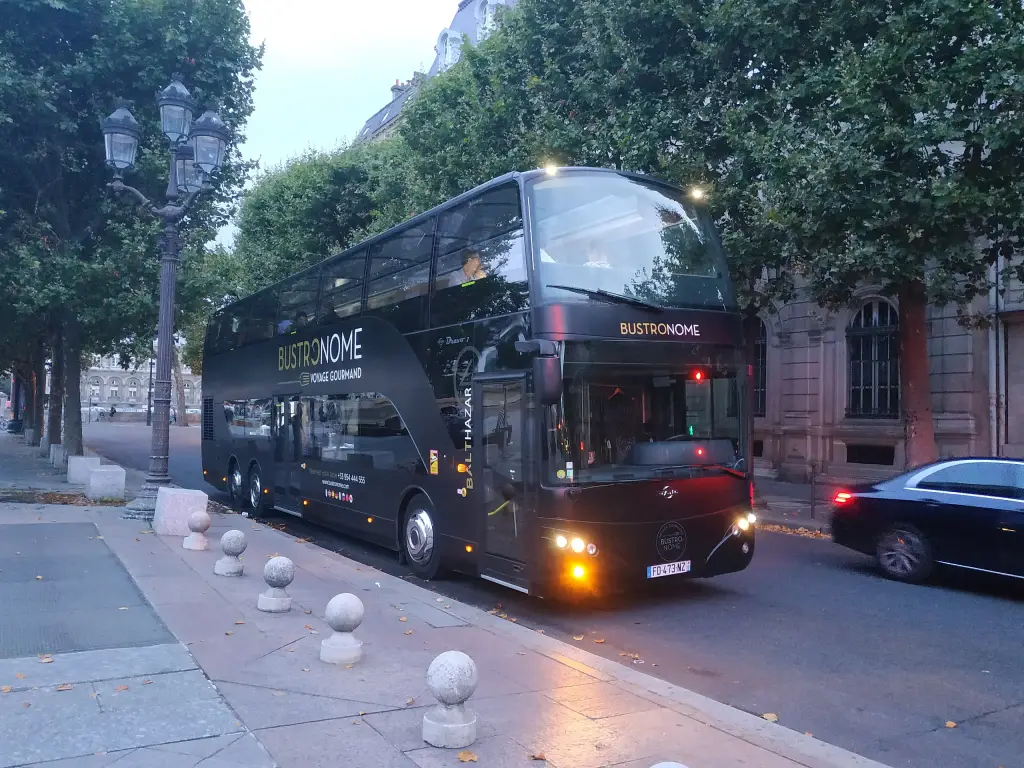
The Bravo 1 is a tri-axle double-decker coach with a full-length upper deck; the lower deck extends back to the rear axles. Length depends on the chassis ordered, with 12 m, 13.0 m, 13.1 m, 13.75 m and 15 m versions manufactured, although the 15 m variant is not sold in the UK. Seating depends on specification, with 89 a typical maximum for the 13.75 m vehicle.
Bravo 2
The Bravo 2 is a single-deck coach with a large under-floor storage area, available with two or three axles. Lengths of 12 m, 13.0 m, 13.1 m and 13.75 m are offered, with 65 seats a typical maximum for the longest.
Bravo 3
The Bravo 3 is an unofficial name for a version identical to the Bravo 1 in construction and design but with a much shorter lower deck. The space goes to extensive luggage compartments at the rear, which brings the maximum capacity down to 75 in the 13.75 m model.
Bravo City
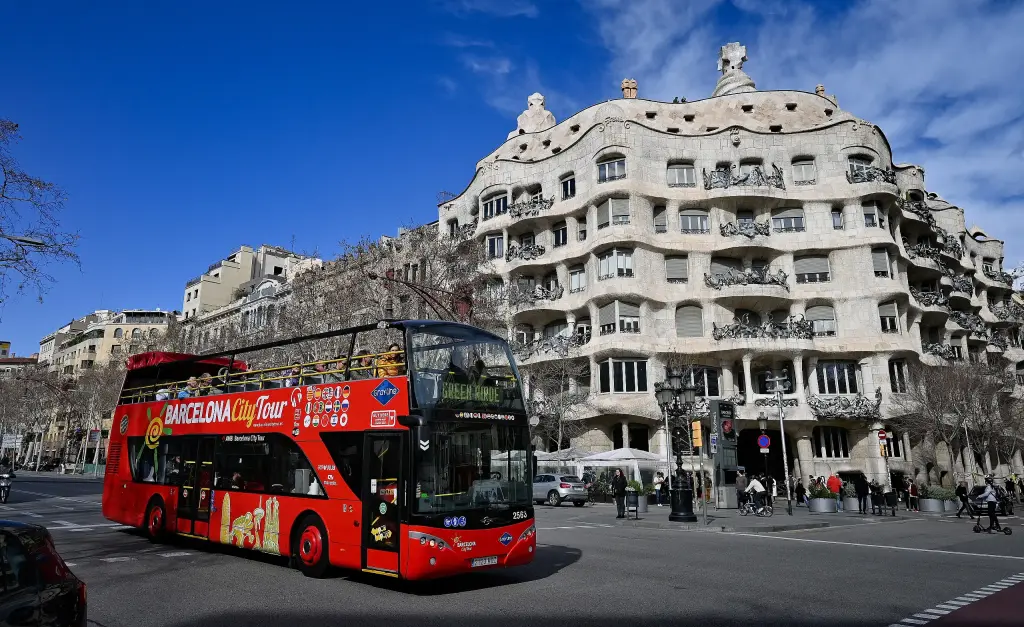
The Bravo City borrows heavily from the coaches but is a purpose-built open-top tour bus, first built for the worldwide sightseeing operator City Sightseeing in 2003. Two versions are offered, one with a completely open upper deck and one with a small enclosed area at the front of the upper deck; both have a large curved front window. The Bravo City is notable as the first purpose-built open-top tour bus with full disabled access, through a ramp at the wide, low-floor front entrance.
Design and features
- Chassis choice: bodies are built to order on a wide variety of chassis, or as integral products.
- Length choice: the same body is offered from 12 m up to 15 m depending on the model.
- Double-deck capacity: the Bravo 1 carries up to about 89 passengers in its longest common form.
- Bravo City access: a low floor and a front ramp made it the first purpose-built open-top tour bus with full disabled access.
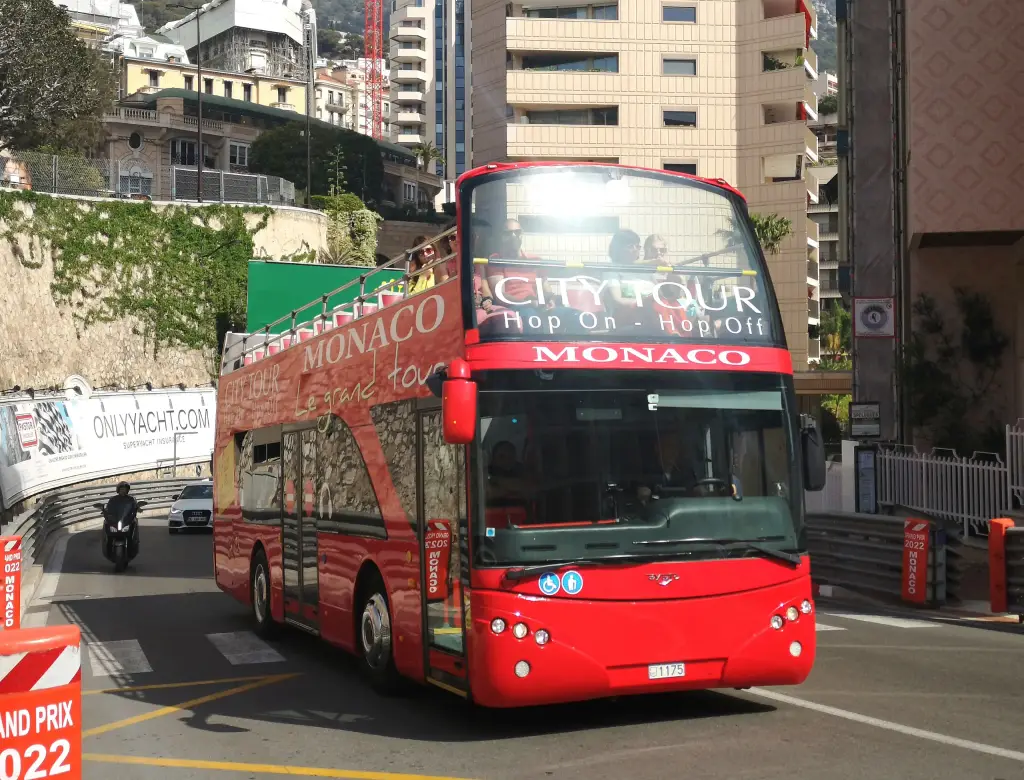
Ayats Bravo versions
- Bravo 1: tri-axle double-decker coach with a full-length upper deck.
- Bravo 2: single-deck coach with large under-floor storage, two or three axles.
- Bravo 3: Bravo 1 with a shortened lower deck and large rear luggage compartments.
- Bravo City/Urbis: open-top sightseeing bus for City Sightseeing since 2003.
- Bravo City, enclosed front: version with part of the front upper deck glazed in.
Other Ayats bodies in this collection include the Olimpia and the Jupiter. More coaches are in the Ayats collection.
Sources
- Ayats Bravo, English Wikipedia: variants, lengths, seating, Bravo City history
- Ayats, English Wikipedia: company, Bravo City and City Sightseeing