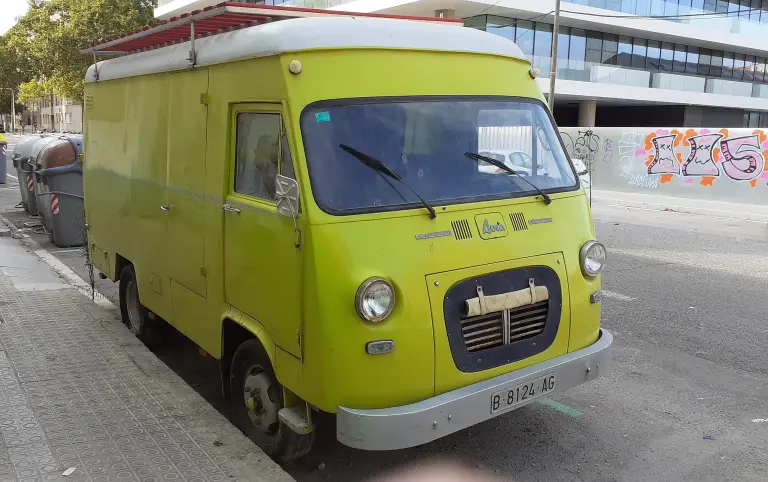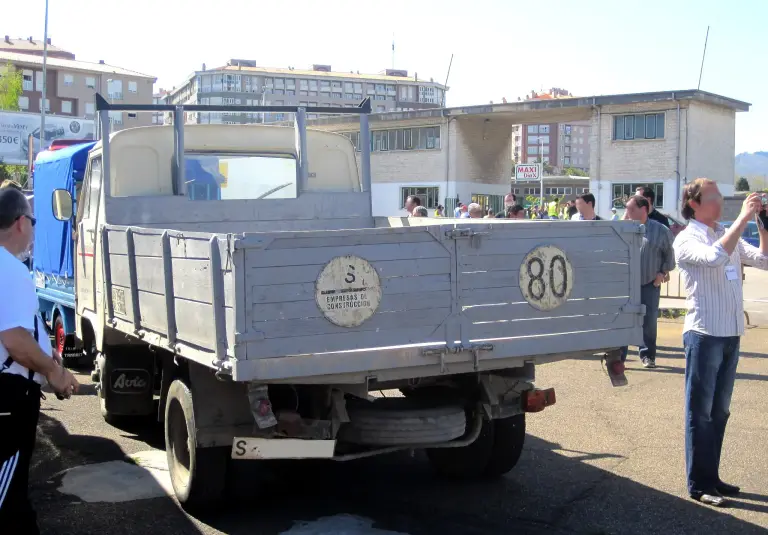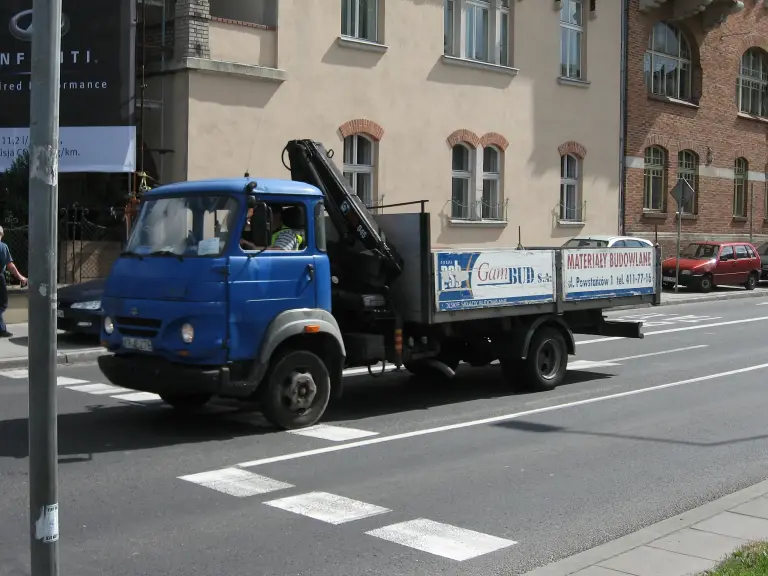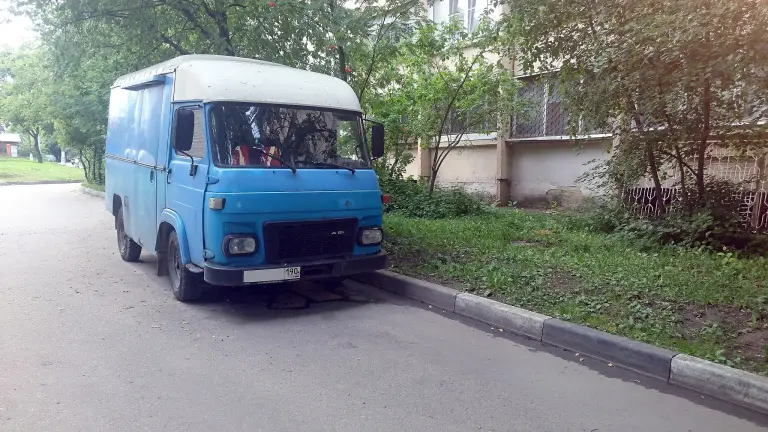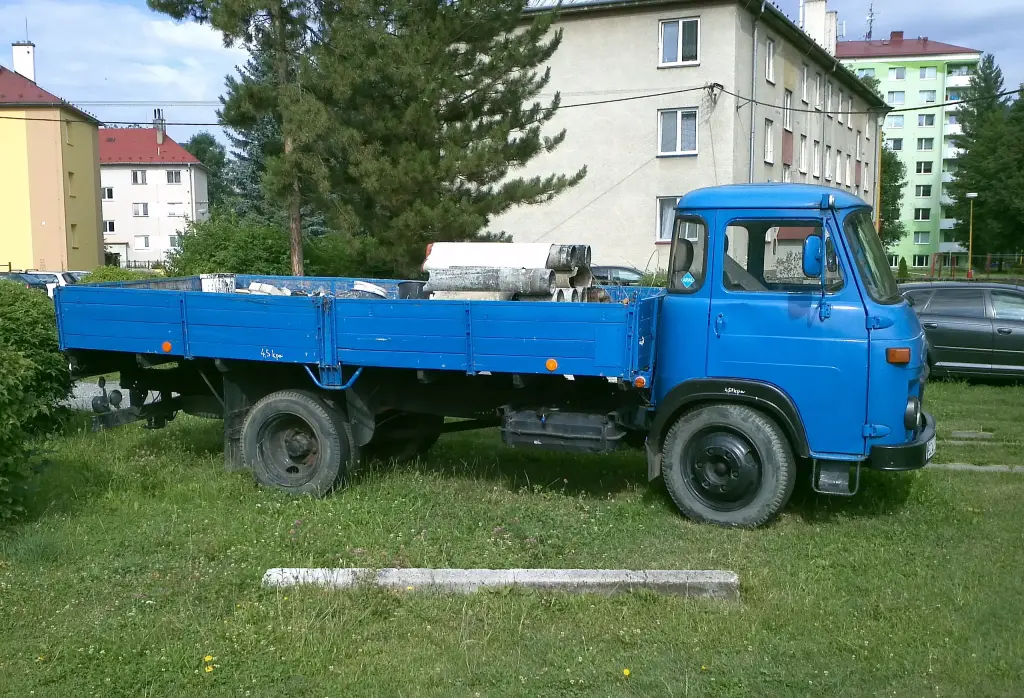
The Avia A31 was the heavier of the two trucks that replaced the A20 and A30 at the Letňany works in 1983. Built on the Saviem SG 4 Super Galion licence, it carried twin rear wheels and could be ordered as a platform truck, box van, tipper or special body; turbocharged A31T versions arrived in 1993.
Avia A31 at a glance
| Maker | Avia, Letňany (Prague) |
|---|---|
| Production | 1983–1998 |
| Predecessor | Avia A30 |
| Licence basis | Renault-Saviem SG 4 Super Galion |
| Engine | 712.18, 3,595 cc four-cylinder diesel, 61 kW |
| Turbo engine, 1993 | D407 turbo, 65 kW, Euro 1 |
| Gearbox | five-speed manual |
| Rear axle | twin wheels |
| Wheelbases | N 3,240 mm, K 2,680 mm, L 3,640 mm |
| Typical bodies | platform, box, tipper, tanker, mobile workshop |
| Production ended | end of 1998 |
The A31 has no article of its own; it is described in the Avia company history on English Wikipedia and in the Czech Wikipedia article on the A 15 / A 20 / A 30 series.
History of the Avia A31
The A31 descended directly from the A30, the Czechoslovak version of the Renault-Saviem SG 4 Super Galion that Avia began building in 1968. For fourteen years the A30 was the larger of the two Saviem-based trucks, used as a platform lorry, tipper, tanker or as a chassis for box bodies and buses. At the beginning of 1983 its production ended and the modernised vehicle was renamed Avia A31.
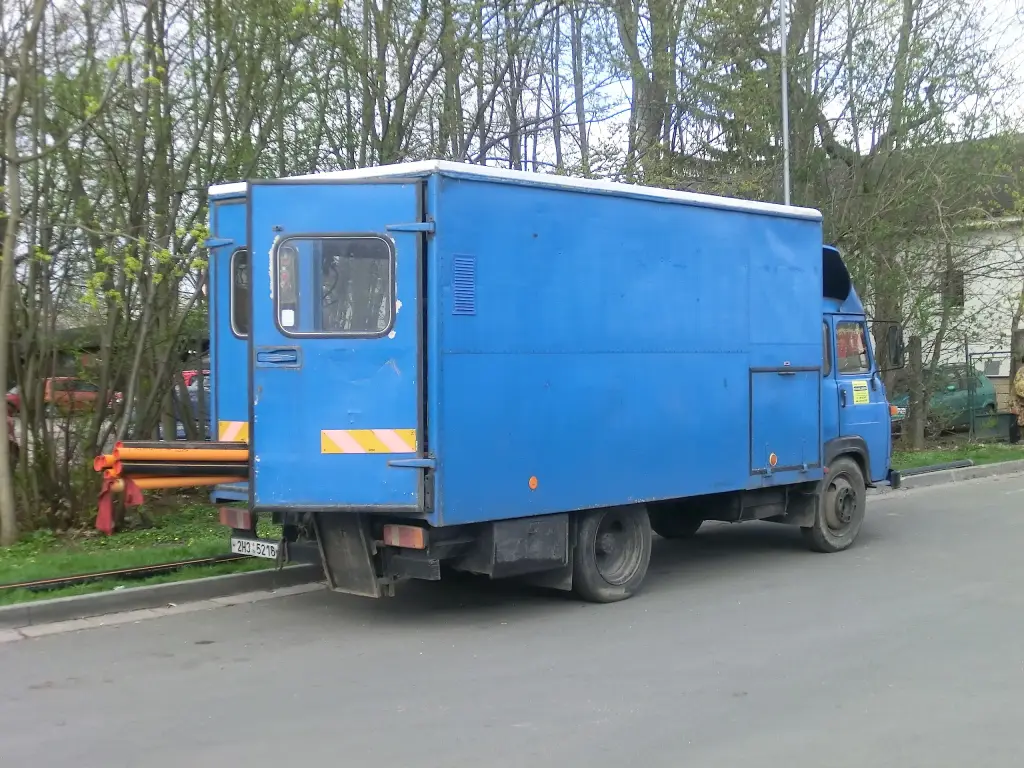
The changes covered the engine, gearbox, steering, frame, cab and platform body. The A31 received the five-speed gearbox that the earlier trucks lacked, and it kept the twin rear wheels of the A30, while the lighter A21 had single wheels. The 712.18 diesel displaced 3,595 cc and produced 61 kW, and the chassis was built in three frame lengths marked N, K and L.
Bodies and special versions
Because the A31 was a chassis-cab design, the body was chosen by the customer. The range included platform trucks with or without a tarpaulin, single-sided tippers, box vans, insulated boxes, fuel tankers, mobile workshops, postal vans, mobile shops and even an aerial platform. The affiliated plants at Heršpice and Ivančice specialised in box and special bodies, and the A30 chassis had also been used for the Ikarus 553 bus.
A31T and the end of production
At the beginning of 1993 turbocharged D407 engines replaced the naturally aspirated 712 units, giving higher torque and meeting Euro 1; these vehicles were sold as A31 Turbo or A31T. A 1996 revision brought the Euro 2 D421.76.01 engine, a Bosch rotary pump and a new dashboard, and the most visible external change was a black plastic grille with round headlights. Production of the A21 and A31 with the original non-tilting cab ended at the end of 1998, after which the tilt-cab A60/A70/A75/A80 range took over.
Design and features
- Twin rear wheels: the main difference from the lighter A21, giving a higher gross weight.
- Five-speed gearbox: introduced with the 1983 modernisation.
- Chassis-cab concept: platform, box, tipper, tanker and special bodies were all built on the same vehicle.
- Turbo option: the A31T of 1993 with 65 kW and Euro 1 compliance.
- Long service: the type remained in production until the end of 1998.
Avia A31 versions
- A31 (1983–1998): the standard chassis-cab and platform truck.
- A31 K: short-wheelbase chassis, commonly used for tippers and tankers.
- A31 L: long-wheelbase chassis for large box bodies.
- A31T (1993): turbocharged engine, 65 kW, Euro 1.
- 1996 specification: Euro 2 engine, new dashboard and grille.
The lighter Avia A21 shared the cab and engine, and the later tilt-cab range is described in Avia A75. More models are in the Avia collection.
Video: AVIA A 31
Video on YouTube.
Sources
- Avia Motors, English Wikipedia: licence history, A31T, Euro 2 update
- Avia A 15 / A 20 / A 30, Czech Wikipedia: 1983 modernisation, axles, wheelbases, body versions