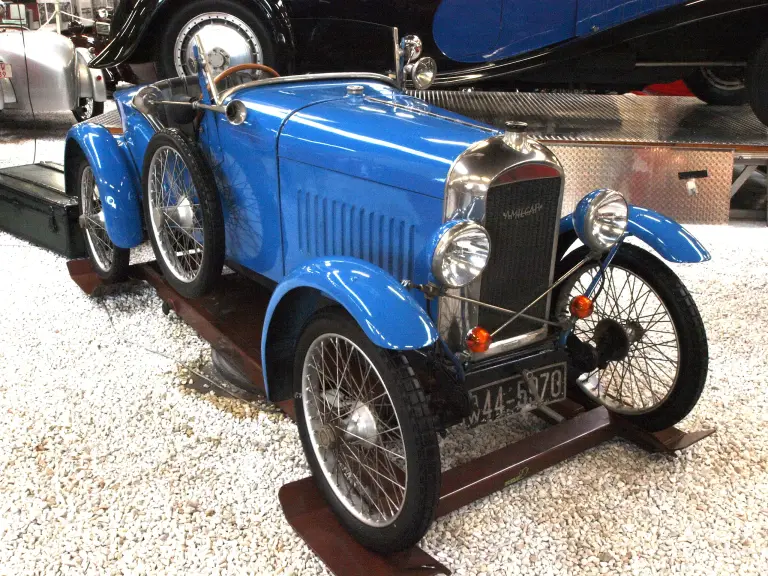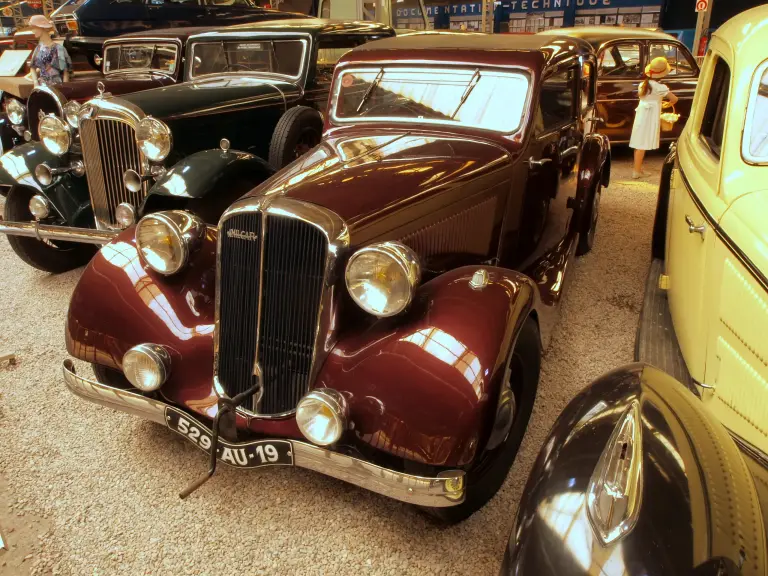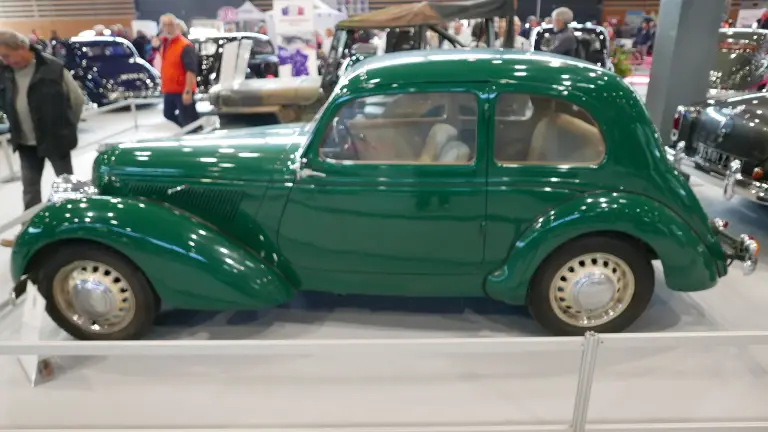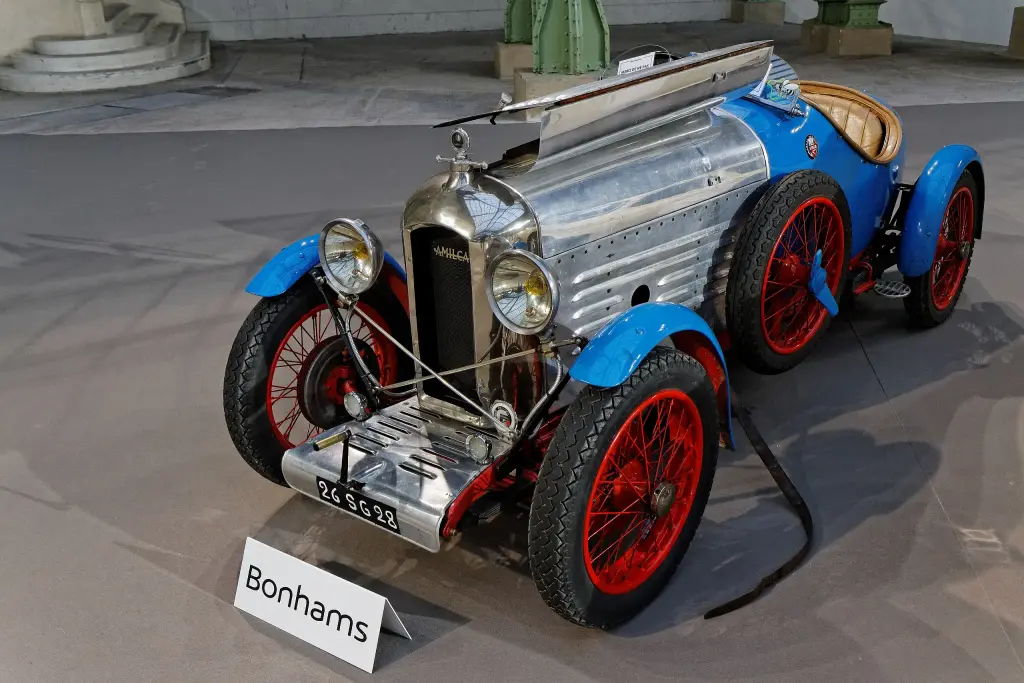
The Amilcar CGS Grand Sport was a light sporting car built by the French maker Amilcar between 1923 and 1925. Developed from the smaller C, it had a longer, more rigid chassis, improved brakes and a 1,074 cc side-valve engine. Amilcar answered the successful Salmson VAL3 series with it, and the CGS became the company’s best-known model of the decade.
Amilcar CGS at a glance
| Maker | Amilcar, France |
|---|---|
| Production | 1923–1925 (French Wikipedia: 1923–1926) |
| Developed from | the Amilcar C |
| Engine | 1,074 cc four-cylinder, side valves, aluminium head |
| Output | 30 bhp (33 chevaux in the French figure) |
| Top speed | at least 120 km/h (115 km/h according to French Wikipedia) |
| Brakes | four-wheel |
| Chassis | longer and more rigid than the C |
| Also built | the CGSS, lowered and more highly tuned |
| Total built | around 4,700 CGS and CGSS together |
The English and French Wikipedia articles give slightly different figures for top speed and production years; both are quoted.
History of the Amilcar CGS
A reply to Salmson
The CGS was Amilcar’s answer to the Salmson VAL3, the lightweight sports car that had taken the small-car market by storm. Where the C was an early cyclecar-derived design, the CGS was a proper sports chassis: the frame was lengthened and stiffened, the brakes were strengthened and for the first time the car could be had with four-wheel braking. The engine grew to 1,074 cc and used side valves with an aluminium cylinder head, giving 30 bhp and a listed top speed of at least 120 km/h.
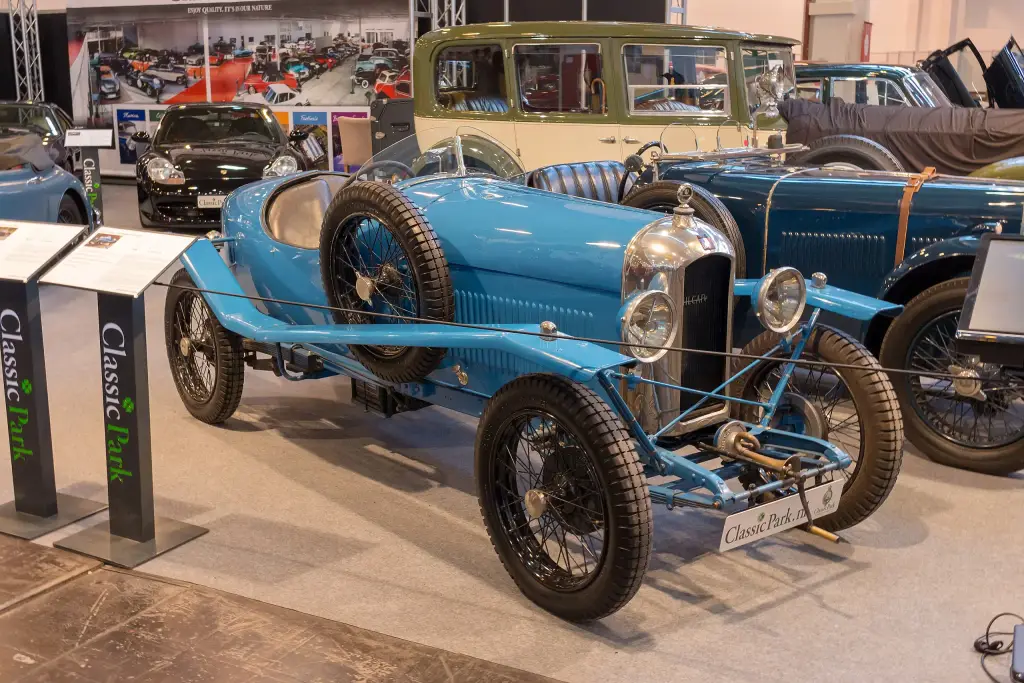
The CGSS
Amilcar also offered the CGSS, a lowered and more highly tuned version in which the second S stood for surbaissée, meaning lowered. The factory could tune the engine further for customers who wanted more performance. Together the two versions accounted for around 4,700 cars.
Racing record
The CGS went to Le Mans as a works entry twice. In 1924 the car retired with a problem in its oil tank. In 1925 a single CGS was entered again, but French driver Marius Mestivier had a fatal accident in the evening and the car did not finish.
Design and features
- Longer, stiffer chassis: the CGS was built as a sports car from the start, not adapted from a cyclecar.
- Four-wheel brakes: a significant advance over the C and one of the reasons the model sold.
- Aluminium cylinder head: a light side-valve engine that responded well to tuning.
- Two levels of tune: the standard CGS and the lowered, more powerful CGSS.
- Competition pedigree: works entries at the 24 Hours of Le Mans in 1924 and 1925.
Amilcar CGS versions
- CGS Grand Sport (1923–1925): the standard model, 1,074 cc and 30 bhp.
- CGSS: lowered chassis and higher state of tune; the second S stood for surbaissée.
- Works racing cars: the single entries at Le Mans in 1924 and 1925.
- Coachbuilt bodies: cars such as the Duval roadster show how varied the bodywork could be.
The CGS was developed from the earlier CC and was the car that established Amilcar as a maker of quick small cars. The firm’s last design, the Compound, came a decade later. More cars are in the Amilcar collection.
Video: Amilcar CGS
Video on YouTube.
Sources
- Amilcar CGS, English Wikipedia: chassis, engine, output, racing history
- Amilcar CGS, French Wikipedia: development from the CS, production years, top speed