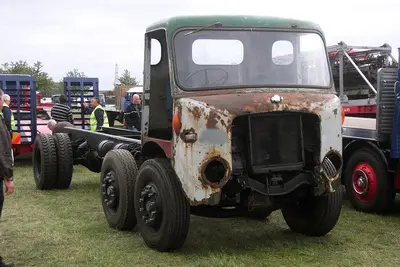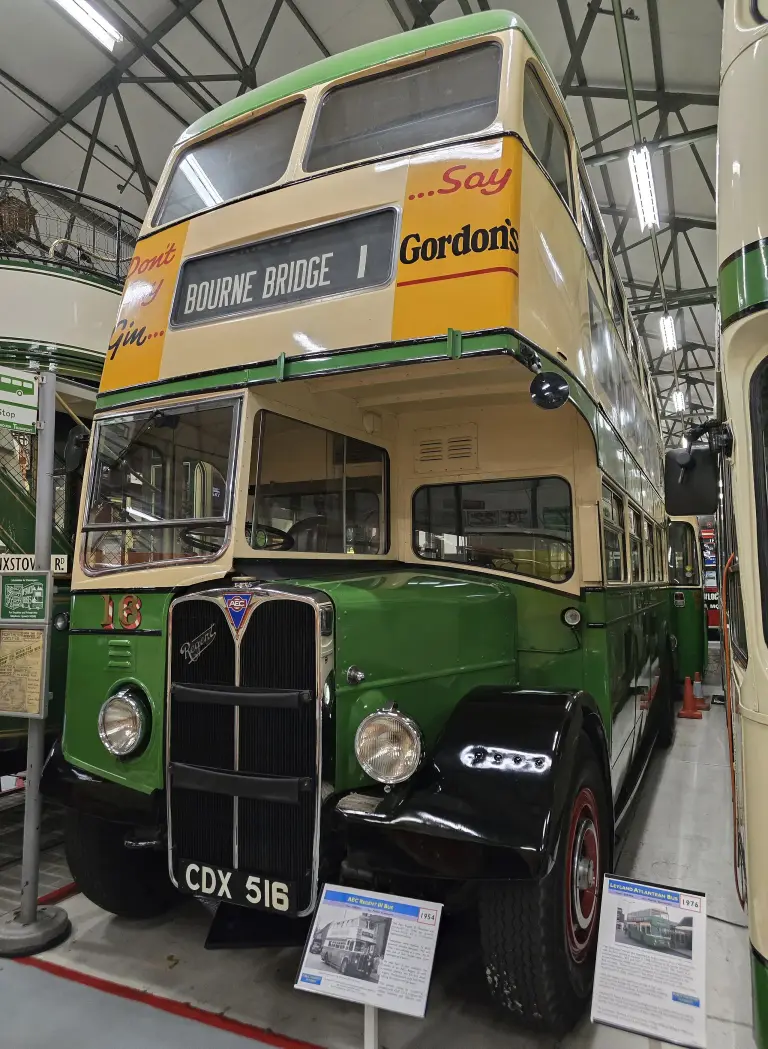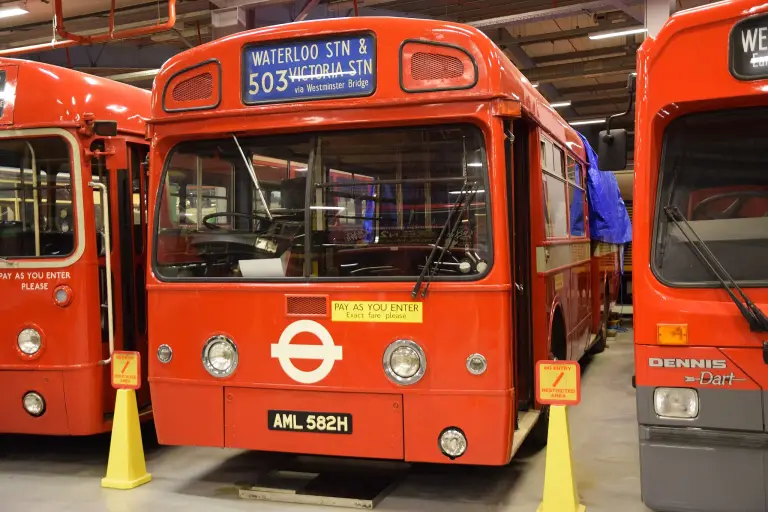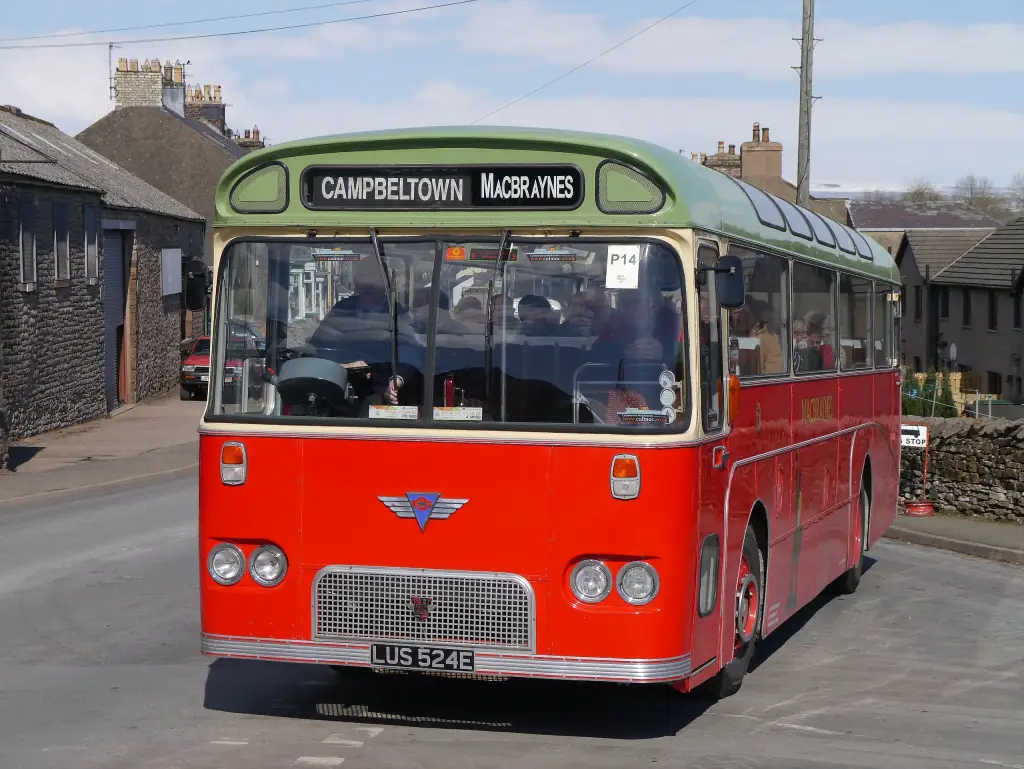
The AEC Reliance was a mid-underfloor mounted engined single-decker bus and coach chassis manufactured by AEC between 1953 and 1979. The name had been used before, between 1928 and 1931, for another single-decker bus chassis.
AEC Reliance at a glance
| Maker | AEC |
|---|---|
| Production | 1953–1979 |
| Type | mid-underfloor engined single-decker bus and coach chassis |
| Prototypes | two in 1953, with Duple coach and Park Royal bus bodies |
| Production vehicles | in service from 1954 |
| Last in service | 1981 |
| Length | 30 ft originally, 36 ft from 1962, later 39 ft |
| Engines | 7.7-litre AH470, 8.1-litre AH505, 9.6-litre AH590, 11.3-litre AH691, 12.4-litre AH760 |
| Transmissions | AEC synchromesh, AEC Monocontrol semi-automatic, ZF six-speed |
| Main rivals | Leyland Tiger Cub, later Leyland Leopard |
History of the AEC Reliance
Two Reliance prototypes were completed in 1953, one with Duple coach bodywork and one with a Park Royal bus body. Production vehicles entered service from 1954, and the last Reliance entered service in 1981. The chassis carried the name earlier too: AEC had used Reliance between 1928 and 1931 for another single-decker bus chassis before the model was reintroduced after the war.
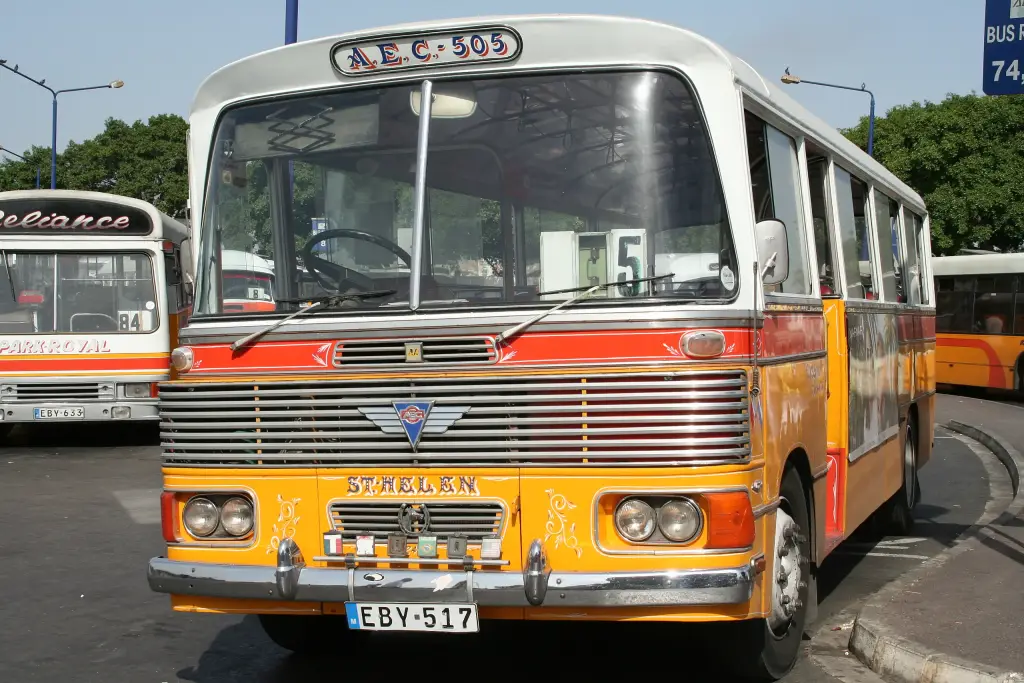
Successive changes to British Construction & Use regulations allowed the Reliance to grow. The maximum length rose twice from the original 30 feet, first to permit an overall length of 36 feet from 1962 and later to allow 39 feet. AEC fitted several of its engines during the chassis’s life, among them the 7.7-litre AH470, 8.1-litre AH505, 9.6-litre AH590, 11.3-litre AH691 and 12.4-litre AH760. Transmissions included an AEC synchromesh gearbox, the AEC Monocontrol semi-automatic epicyclic transmission and a ZF six-speed crash gearbox.
The Reliance faced the Leyland Tiger Cub and, from 1959, the Leyland Leopard as its main competitors throughout its life, even though both firms were under the same ownership from 1962. After Reliance production ended, Leyland offered ZF synchromesh as an option on the Leopard, although the Volvo B58 and other imported buses later won customers’ orders. The type also sold well abroad: in Australia, Canberra Bus Service bought 92 of the 470 and 28 of the 505, Brisbane City Council took three 470s and forty 590s, and McVicar’s Bus Service in Sydney ran 44. In New Zealand, Christchurch Transport Board had 70 Reliance 470s, Wellington City Transport 86, Dunedin City Transport 12 Reliance 407s, Gisborne City Council 6 Reliance 470s and 3 Reliance 505s, and New Plymouth City Transport 4 Reliance 470s, 3 Reliance 590s and 4 Reliance 691s.
Design and features
- Underfloor engine: the Reliance was a mid-underfloor engined chassis for buses and coaches.
- Growing length: the maximum length went from 30 to 36 feet in 1962 and later to 39 feet as regulations changed.
- Wide engine range: AEC units from 7.7 to 12.4 litres were offered over the years.
- Export model: the Reliance was widely bought in Australia and New Zealand.
AEC Reliance versions
- Reliance prototype (1953): Duple coach and Park Royal bus bodies.
- Reliance 470: 7.7-litre AH470 engine, popular in New Zealand.
- Reliance 505 and 590: 8.1-litre and 9.6-litre versions.
- Reliance 691 and 760: 11.3-litre and 12.4-litre engines for later and export chassis.
The Reliance replaced the AEC Regal in the range and was a stablemate of the Routemaster double-decker. More buses are in the AEC collection.
Video: 200 APB AEC Reliance Burlingham
Video by vjaska on YouTube.
Sources
- AEC Reliance, English Wikipedia: prototypes, engines, transmissions, exports