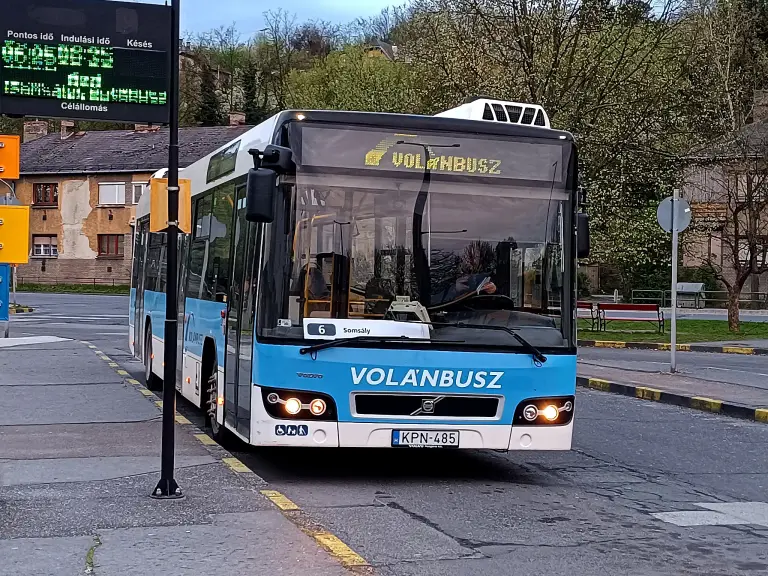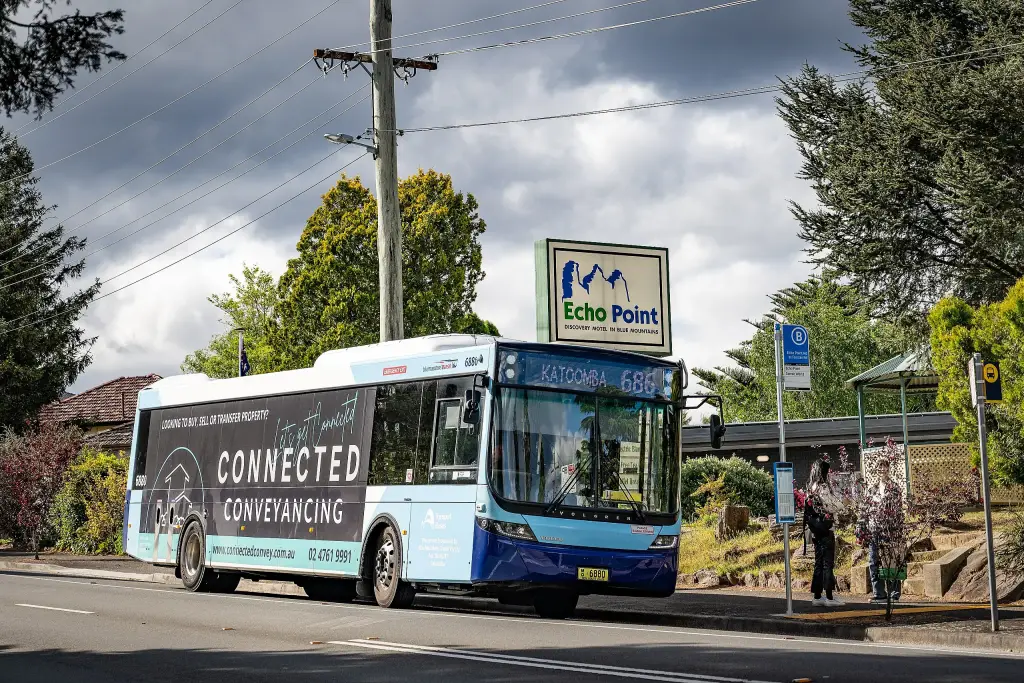
The Volvo B7R is a rear-engined lightweight coach chassis launched in South Africa in early 1997 as a cheaper alternative to the long-serving mid-engined B10M. It is made in China, Brazil, Hungary, India and Iran as well as in Europe.
Volvo B7R at a glance
| Launched | early 1997, in South Africa |
|---|---|
| Type | rear-engined lightweight coach chassis |
| Engine | 7-litre D7 six-cylinder, D7B 260 hp or D7E 290 hp at launch |
| Torque | 1,100 Nm (D7B), 1,200 Nm (D7E) |
| Length | typically 12.0 to 12.5 m; transit chassis 10.5–11.0 m |
| Body | steel frame, bodies by many coachbuilders |
| Integral versions | 7350 for Mexico, 9400 for India, 8700 |
| Low-floor version | B7RLE |
| Built in | China, Brazil, Hungary, India and Iran |
History of the Volvo B7R
The B7R was launched in South Africa in early 1997 and marketed as a cheaper alternative to the versatile but elderly mid-engined B10M, aimed at intercity and tourist coach work. Its D7 engine family was derived from the TD70 used in the Ailsa B55 double-decker; at launch the D7B made 260 hp and 1,100 Nm, and the D7E 290 hp and 1,200 Nm. Buyers could choose Voith DIWA, Volvo or ZF manual and automatic gearboxes with torque converters and Telma retarders, and either parabolic leaf springs or air suspension. British coaches were specified with air suspension and ZF gearboxes as standard.
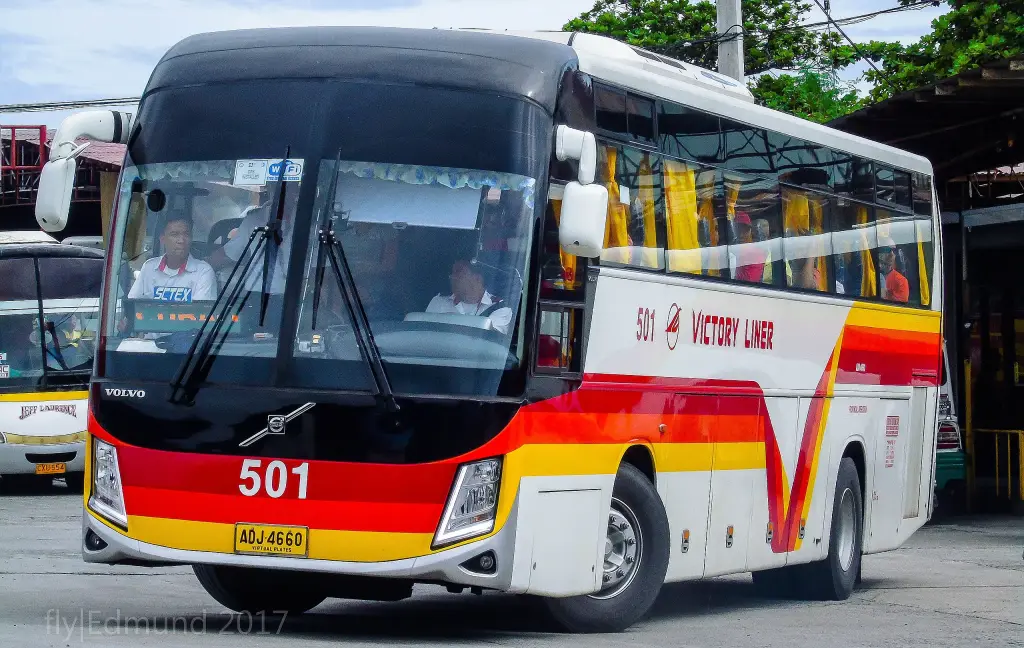
Bodies were built on a steel frame, usually between 12.0 and 12.5 metres long, though at launch the chassis was also offered as a cut-down 10.5–11.0 metre transit chassis for local bodybuilders. Volvo also sold integral buses on the same mechanicals: the 7350 for Mexico, the 9400 for India and the 8700 coach, plus the low-floor B7RLE for city and intercity work.
India and Asia
After a six-month demonstration with two coaches borrowed from Hong Kong and Singapore, the B7R was launched in India in 2001 and quickly became the most popular deluxe air-conditioned long-distance bus there, built at Volvo’s Hoskote plant in Karnataka. Raj Travels of Mumbai and Neeta Travels of Pune took examples in 2002 for the Mumbai–Pune Expressway, and Raj Travels later bought more than 100 coaches, then India’s largest Volvo bus order. In Indonesia the chassis was offered in 2003–2004, and many operators later replaced the powerful D7E with smaller Japanese engines to cut running costs. In the Philippines it arrived in 2016 with Autodelta and Del Monte bodies styled like the 9800.
Africa and elsewhere
Metrobus of Johannesburg took 50 Marcopolo Viale-bodied B7Rs in 2002 and Golden Arrow of Cape Town 35 in 2010, and in Singapore a small batch with Liannex bodywork served Sentosa until 2020.
Design and features
- Lightweight: cheaper to buy and run than the B10M it replaced.
- D7 engine: a 7-litre six derived from the Ailsa’s TD70.
- Many bodies: steel frame designed for local coachbuilders.
- B7RLE: low-floor version for city and intercity routes.
- Global production: India, Brazil, China, Hungary and Iran.
Volvo B7R versions
- B7R coach: the standard 12-metre intercity chassis.
- Transit chassis: 10.5–11.0 m for local bodywork.
- B7RLE: low-floor city and intercity version.
- 7350, 9400 and 8700: integral buses on B7R mechanicals.
- Indian B7R: locally built deluxe coach, the market leader.
The B7R followed the Volvo B10M and is the chassis under much of the Volvo 8900. More buses are in the Volvo collection.
Sources
- Volvo B7R, English Wikipedia: design, engines, bodies, integral versions, markets