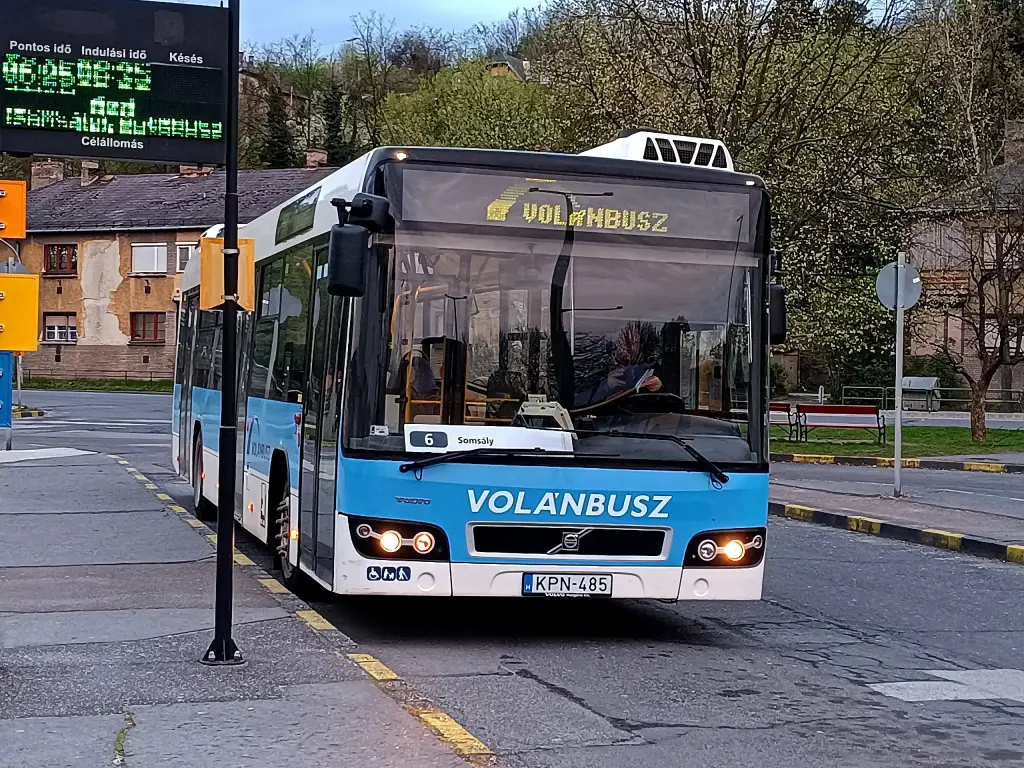
The Volvo 7000, renamed 7700 in 2003, was a fully low-floor single-decker city bus built by Volvo from 1999 to 2012. It came as a 12-metre rigid bus and an 18-metre articulated 7000A, on diesel or compressed natural gas, and from 2010 as a hybrid.
Volvo 7700 at a glance
| Production | 1999–2012 |
|---|---|
| Names | Volvo 7000 and 7000A until 2003, then 7700 and 7700A |
| Bodies | 12 m rigid, 18 m articulated |
| Chassis | B7L and B7LA, later B9L and B9LA; B10L for CNG |
| Built in | Wrocław, Poland and Vantaa, Finland |
| Finnish plant closed | 2001, after 43 buses delivered in Finland |
| Facelift | 2006, with B9L chassis and new front and rear |
| Hybrid | prototypes 2008 on B5LH, series production from 2010 |
| Successor | Volvo 7900, from 2011 |
History of the Volvo 7700
The model was developed in Finland under the name Carrus K206 and appeared at the end of 1998 alongside the Säffle-built Volvo 5000 as the Volvo 7000. The 12-metre bus used the B7L chassis and the articulated 7000A the B7LA; CNG versions were built on the B10L and B10LA. Standard 12- and 18-metre buses were made in Wrocław, Poland, while the Vantaa plant built the 12-metre version and a few custom lengths, including short 11-metre buses for Turku and 12.89-metre examples for Helsinki.
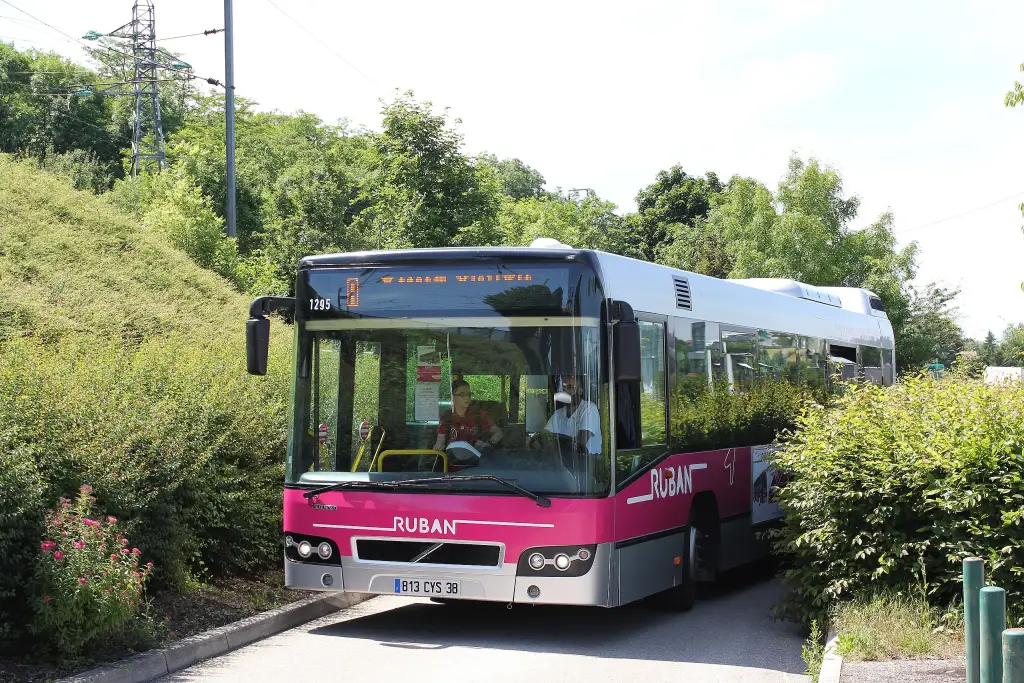
Production in Vantaa ended when the plant closed in 2001; by then only 43 7000s had been delivered to Finnish customers, plus a handful of demonstrators. In 2003 the model was renamed 7700 and 7700A to fit the naming scheme of the 8700 and 9700, with no other changes. A 2006 upgrade brought the B9L and B9LA chassis, a new grille and headlamps and a reshaped rear.
Hybrid and successors
In 2008 Volvo built the first prototypes of the 7700 Hybrid on the B5LH chassis, and series production began in 2010. In Hungary, Volvo’s subsidiary Alfa Busz built 102 Alfa Cívis 12 buses in 2009 styled like the 7700 for Debrecen, plus 40 specially adapted 7700A sold as Alfa Cívis 18. The 7900 replaced the 7700 in 2011, and the last 7700s were built in 2012.
Operators
Large fleets went to Berliner Verkehrsbetriebe, which took 51 buses in 2002, and to BKV in Budapest, which ordered 150 articulated 7700As between 2004 and 2006, the first order of its kind from a non-Hungarian maker. Vilnius took 60 rigid and 30 articulated buses, Dutch operators bought more than 190 in 2004–2007, and Geneva and Bern ran articulated and CNG versions. The model was never popular in the Nordic countries apart from a few Wiima-built buses, because full low-floor buses were less favoured there than low-entry ones.
Design and features
- Full low floor: step-free access along the whole bus.
- Two lengths: 12-metre rigid and 18-metre articulated.
- Fuel choice: diesel and compressed natural gas from the start.
- Hybrid from 2010: the 7700 Hybrid was Volvo’s first series hybrid bus.
- Polish production: Wrocław supplied most of Europe.
Volvo 7700 versions
- 7000 and 7000A (1999–2003): the original names for rigid and articulated buses.
- 7700 and 7700A (2003–2012): renamed models, B9L chassis from 2006.
- CNG versions: built on B10L and B9LA chassis.
- 7700 Hybrid (2010): B5LH chassis with hybrid drive.
- Trolleybus: 7000AT versions built for Linz.
The 7700 was replaced by the Volvo 7900, and its articulated chassis ideas fed into later B9R buses. More buses are in the Volvo collection.
Sources
- Volvo 7700, English Wikipedia: development, chassis, plants, hybrid, operators