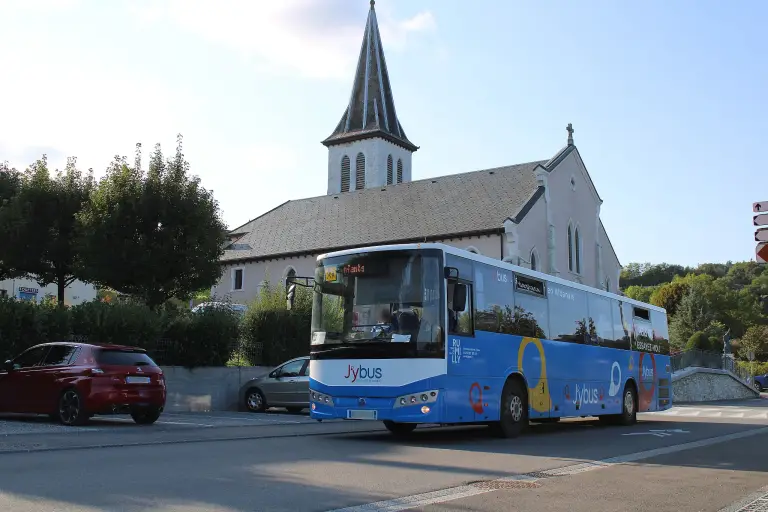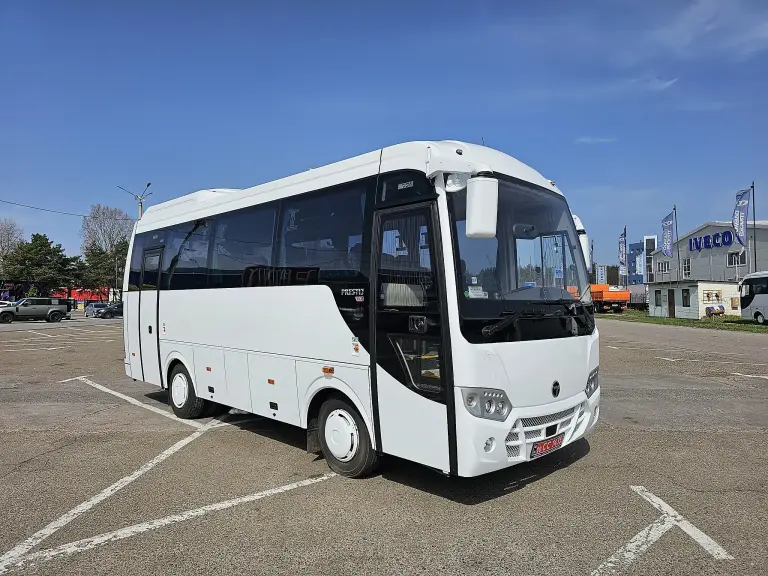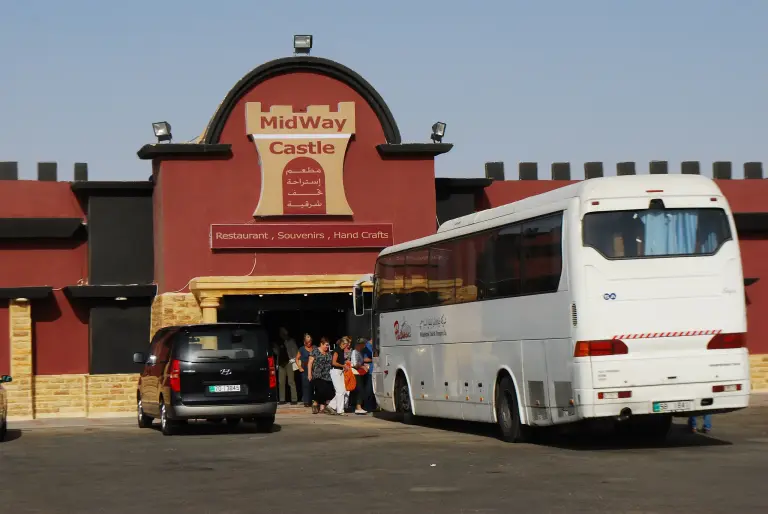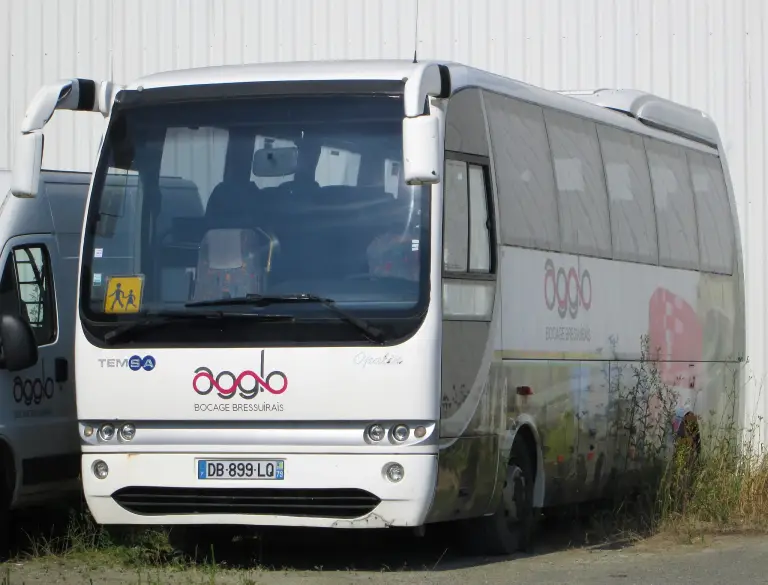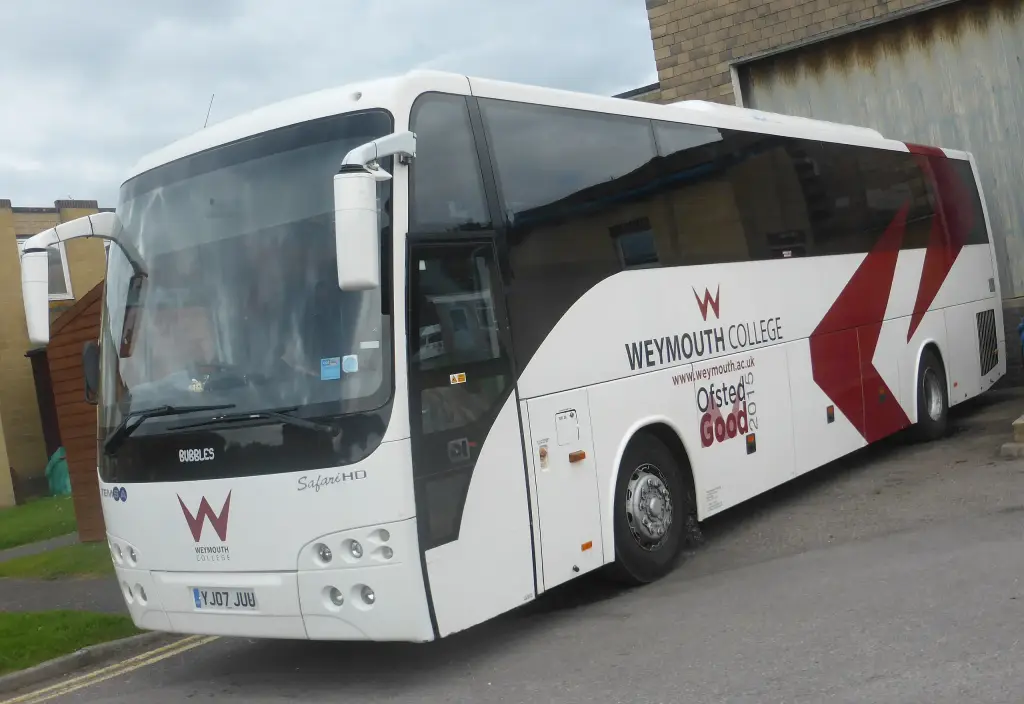
The Temsa Safari was an intercity coach built by the Turkish manufacturer from 2000 to 2015. It was the first coach Temsa developed itself, replacing a Mitsubishi Fuso Aero Bus-based model, and it grew into a family of HD, RD and SD versions with engines from Mitsubishi, MAN, DAF and Cummins.
Temsa Safari at a glance
| Maker | Temsa, Adana, Turkey |
|---|---|
| Production | 2000–2015 |
| Type | intercity coach |
| Predecessor | Temsa Prenses, based on the Mitsubishi Fuso Aero Bus |
| Facelift | 2010 |
| Replaced by | Safir and HD in 2015 |
| Safari, Mitsubishi version | 12 m, 48 seats, 16.0-litre V8, 310 hp, 1,250 Nm |
| Safari, MAN version | 10.6 or 12 m, 52–60 seats, 12.0-litre six, 360 hp, 1,700 Nm |
| HD 12 | 12 m, 54 seats, 12.9-litre DAF, 408 hp, 2,000 Nm |
| RD 12 | 12 m, 56 seats, 9.2-litre DAF, 360 hp, 1,450 Nm |
| SD | 13 m, 52 seats, Cummins or MAN engine, 350 hp |
The Safari has no English Wikipedia page; the technical detail comes from the Turkish article, with company background from the English article on TEMSA.
History of the Temsa Safari
2000: Temsa’s own coach
The Safari was introduced in 2000 and was the first coach developed by Temsa without a Mitsubishi body. It replaced the Temsa Prenses, which had been based on the Mitsubishi Fuso Aero Bus and had gone out of production. Most of the Safari output was exported to European markets, with a smaller number sold in Turkey. In 2010 the coach was extensively facelifted, and in 2015 it gave way to the Safir and the HD.
Two mechanical families
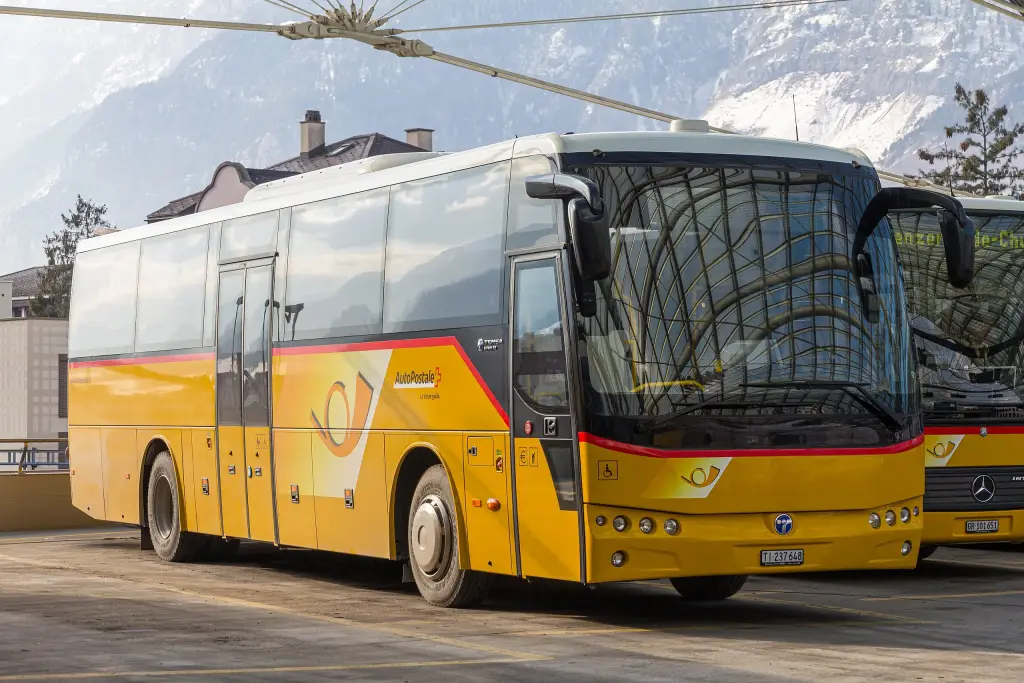
The original Safari came in two forms. The Mitsubishi-based version was 12 metres long, seated 48 and used a 16.0-litre Mitsubishi 8DC9-3A V8 naturally aspirated diesel of 310 hp and 1,250 Nm with a seven-speed Mitsubishi M10S7 manual gearbox. The MAN-based version was offered at 10.6 or 12 metres with 52 to 60 seats, a 12.0-litre MAN D2866 LOH28 six-cylinder turbodiesel of 360 hp and 1,700 Nm, and a six-speed ZF 6S1600 manual gearbox.
The HD range
The HD versions were intended for long-distance service work. The HD 12 was 12 metres long with 54 seats and a 12.9-litre DAF MX300 six of 408 hp and 2,000 Nm, coupled to a ZF 6S1900 or 6S1901 manual gearbox or a 12 AS 2001 automatic. The HD 13 stretched the body to 13 metres and 60 seats, and the HD 14 was a 14-metre three-axle prototype.
The RD and SD versions
The RD models were meant for shorter routes. The RD 12 was 12 metres long with 56 seats, a 9.2-litre DAF PR engine of 360 hp and 1,450 Nm and a choice of ZF 6S1700 or 6S1701 manual or 12 AS 2001 or 6AP1700 automatic gearboxes; the RD 13 was the 13-metre, 60-seat version. The RD IC 12 and RD IC 13 were service variants of 12 and 13 metres with 56 and 58 seats. The SD was a 13-metre, 52-seat model with a 350 hp Cummins ISLe of 8.9 litres or a 10.5-litre MAN D2066 and a six-speed ZF 6S1700.
In service
Safaris were used by coach operators across Turkey and in several European countries. In Austria the type served with ÖBB as a postal bus, and in Hungary it was used by the police.
Design and features
- First own design: the coach with which Temsa ended its dependence on Mitsubishi bodies.
- Wide model family: HD, RD, RD IC and SD versions from 10.6 to 14 metres.
- Mixed powertrains: Mitsubishi, MAN, DAF and Cummins engines, manual or automatic.
- Export success: most production went to European markets.
- Long service: fifteen years in production, with a facelift in 2010.
Temsa Safari versions
- Safari (Mitsubishi): 12-metre, 48-seat version with a 16.0-litre V8.
- Safari (MAN): 10.6 or 12 metres, 52–60 seats, 12.0-litre six.
- HD 12 and HD 13: long-distance coaches of 12 and 13 metres.
- HD 14: 14-metre three-axle prototype.
- RD 12 and RD 13: short-route coaches of 12 and 13 metres.
- RD IC 12 and RD IC 13: service versions of the RD.
- SD: 13-metre model with Cummins or MAN power.
The Safari was replaced by the Safir and the HD, and it shared the range with the Diamond flagship. More coaches are in the Temsa collection.
Sources
- Temsa Safari, Turkish Wikipedia: history, versions, engines, operators
- TEMSA, English Wikipedia: company history, model line