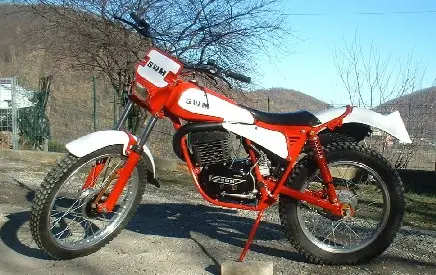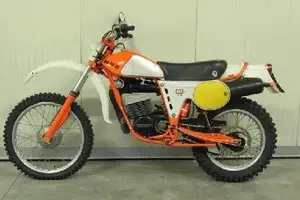
The SWM 125 is the small-capacity thread that runs through the history of the Italian manufacturer SWM. A 125 cc trials bike, the TL125, was one of the first models the firm built in 1977, 125 cc enduro machines followed, and the capacity returned in the range after the brand was revived in 2014.
SWM 125 at a glance
| Maker | SWM (Speedy Working Motors), Italy |
|---|---|
| Founded | 1971 by Piero Sironi and Fausto Vergani |
| First 125 | TL125 trials bike, 1977 |
| Trials engine | Rotax rotary valve single, developed with Sammy Miller and Charles Coutard |
| Enduro 125s | SWM RSGS and SWM TF1 |
| 1980 title | Joan Riudalbá, Spanish Enduro Champion on an SWM TF1 125 |
| 1984 | the 125 and 320 were put in the new frame, then production ceased |
| Revival | EICMA 2014, funded by the Shineray Group |
| 125 models today | RS 125 R, SM 125 R, Hoku 125, Venturo 125, C Fly 125 |
| Factory after 2014 | Biandronno, near Varese |
This page is based on a single source, the English Wikipedia article on SWM Motorcycles, which covers the 125 cc models only as part of the company history; no model-specific page exists, so the article is shorter than usual.
History of the SWM 125
Trials beginnings
The company began in the 1970s with small-capacity enduro bikes using Sachs engines, and in 1977 it added trials machines powered by Rotax. The smallest of these was the TL125, built alongside the TL320. Rotax produced a special trials version of its rotary valve engine with development input from Sammy Miller and Charles Coutard, the plastic mouldings came from Acerbis and the suspension from Marzocchi; the first machines were finished in red and white. The 125 stayed in the trials range through the colour changes of 1979 and 1980 and was still being built in 1984, when it and the 320 were put into the new frame shortly before production ended.
125 cc enduro
Alongside the trials line, SWM made enduro bikes under the RSGS and TF1 names in capacities from 125 to 506 cc. The 125 was competitive enough to carry Joan Riudalbá to the Spanish Enduro Championship in 1980 on an SWM TF1. The Italian firm went into liquidation in 1984 and production ceased; the rights to the SWM XN Tornado enduro machine later passed to Armstrong of Bolton in England, which developed the military Armstrong MT500 with CCM.
The revived range
SWM returned at the EICMA show in Milan in 2014 with six street and off-road bikes of 300 to 650 cc, backed by the Shineray Group of Chongqing and led by engineer Ampelio Macchi. The 125 cc class came back into the catalogue as the range grew: the RS 125 R enduro and SM 125 R supermoto, the Hoku 125 naked bike, the Venturo 125 scooter and the C Fly 125. Production stayed in Italy, at Biandronno near Varese, in the former Husqvarna factory.
Design and features
- Long-running capacity: 125 cc machines appear at both ends of SWM’s history, in 1977 and again after 2014.
- Rotax trials engine: the TL125 used a rotary valve Rotax unit developed with Sammy Miller and Charles Coutard.
- Competition record: a TF1 125 took Joan Riudalbá to the Spanish Enduro Championship in 1980.
- Italian base: after the revival, production remained at Biandronno near Varese.
SWM 125 versions
- TL125 (1977): the trials machine with the Rotax rotary valve engine, red and white at first.
- 1984 TL125: the last of the line, moved into the new frame before production stopped.
- TF1 125: enduro model, Spanish Enduro Champion in 1980 in the hands of Joan Riudalbá.
- RS 125 R: 125 cc enduro bike of the revived range.
- SM 125 R: the supermoto version of the same capacity.
- Hoku 125, Venturo 125, C Fly 125: the naked bike and two scooters added after 2014.
The trials side of the story is told in the article on the SWM trial machines. More models of the marque are in the SWM collection.
Video: SWM RS 125 GS ROTAX
Video on YouTube.
Sources
- SWM Motorcycles, English Wikipedia: history, trials and enduro models, revival, current range