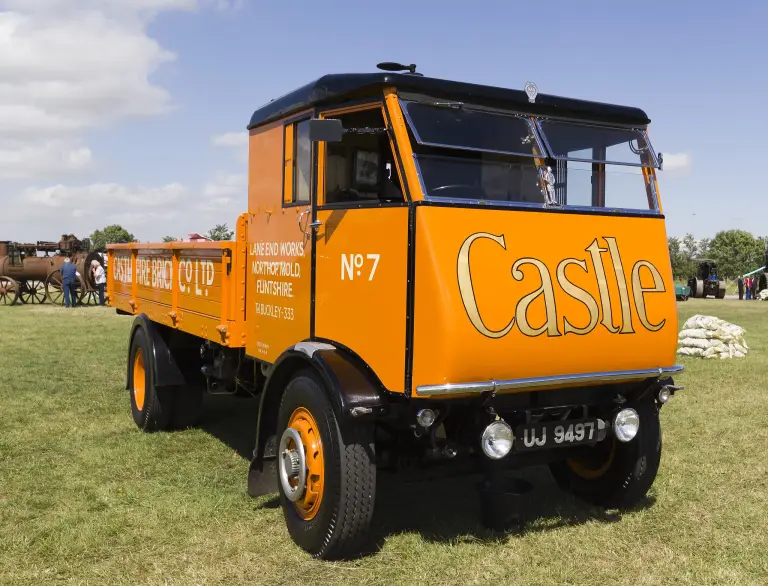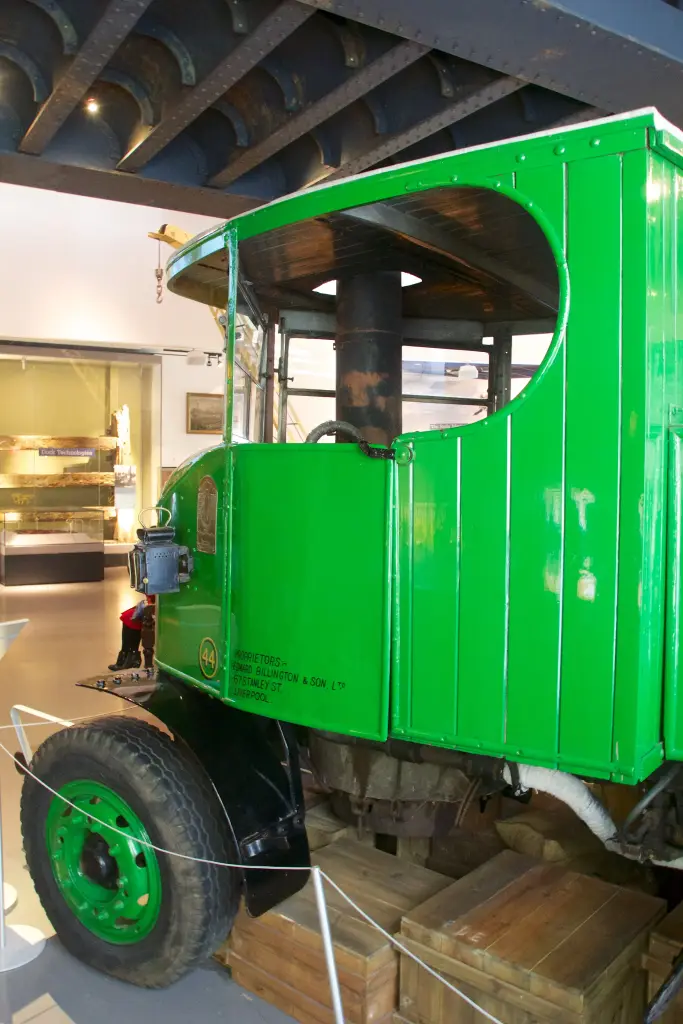
Sentinel built steam vehicles at Shrewsbury not only as waggons but also in tractor form, of which the Super steam tractor of 1927 is a preserved example. The tractor used the same Sentinel engineering that made the company, with Foden, the dominant name in British steam road transport.
Sentinel tractor at a glance
| Maker | Sentinel Waggon Works (1920) Ltd, Shrewsbury |
|---|---|
| Type | steam tractor |
| Family | Sentinel Super |
| Preserved example | Super steam tractor of 1927 |
| Boiler | vertical, as on Sentinel steam vehicles of the period |
| Engine layout | undertype, beneath the chassis |
| Works | Shrewsbury, Shropshire, from 1915 |
| Steam lorry production ended | 1956 |
There is no separate Wikipedia article on Sentinel tractors; little has been published about them, so this page uses the article on Sentinel Waggon Works and the identification of the preserved 1927 tractor (based on one source).
History of the Sentinel tractor
Sentinel at Shrewsbury
Sentinel steam wagon production moved from Glasgow to a new factory at Shrewsbury in 1915, and the separate company Sentinel Waggon Works Ltd was formed there. The works went on to build steam lorries, railway locomotives and railcars, and later diesel-engined lorries, buses and locomotives. Steam road vehicles were the heart of the business: the early five-ton wagon stayed in production with few changes until the Super of 1923, and Sentinel and Foden between them dominated the British steam market until legislation in the 1930s forced makers towards lighter lorries.
Steam tractors
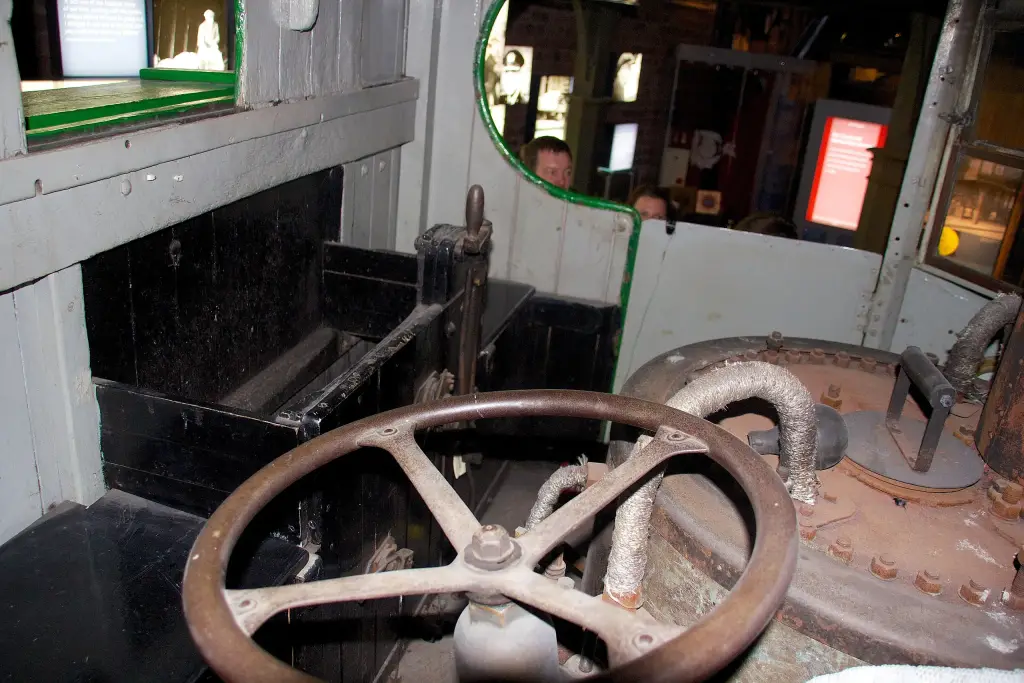
Alongside the waggons Sentinel’s steam vehicles were built in tractor form. The Super steam tractor of 1927, shown in the photographs, belongs to the Super family introduced in 1923 and assembled at Shrewsbury on a flow line modelled on Henry Ford’s Model T plant. Such machines kept the Sentinel layout of a vertical boiler with the engine mounted beneath the chassis, which gave a low, compact vehicle suited to hauling rather than carrying a load.
Preservation
Sentinel’s steam programme outlived the British market: about 100 S type vehicles were built for the Río Turbio coal mine in Argentina as late as 1950, and at least two of them survive there. Lorry production at Shrewsbury ceased in 1956, after which the factory was acquired by Rolls-Royce, but a number of Sentinel steam vehicles, tractors among them, are kept in working order by preservation groups.
Design and features
- Same works as the waggons: built at Shrewsbury, by the company that became Sentinel Waggon Works (1920) Ltd.
- Super family: the tractor belongs to the line introduced with the Super of 1923.
- Vertical boiler: the characteristic Sentinel steam layout, with the engine under the chassis.
- Rarity: steam tractors were a small part of Sentinel output, and only a few survive.
Sentinel tractor versions
- Super steam tractor (1927): the preserved example shown on this page.
- Sentinel Super waggon (1923): the lorry version of the same family, 1,550 built.
- S type (1934): the later steam line, with a single-acting four-cylinder underfloor engine, built as the S4, S6 and S8.
The lorries of the same maker are described in the Sentinel steam waggon article. Other machines from the works are in the Sentinel collection.
Video: Sentinel garden tractor
Video on YouTube.
Sources
- Sentinel Waggon Works, English Wikipedia: company history, Super family, end of production