The Saxonette is the name Fichtel & Sachs gave to its bicycles with two-stroke engines and to the engines themselves. The first model, with a 60 cm³ engine built into the rear hub, was made from 1938 to 1940; the second, a 30 cm³ lightweight moped, was built from 1987 to 2011.
Sachs Saxonette at a glance
| Maker | Fichtel & Sachs, Schweinfurt |
|---|---|
| First model | 1938–1940 |
| First engine | 60 cm³ two-stroke in the rear hub, 1.2 PS at 3,500 rpm |
| First model top speed | about 30 km/h |
| First model fuel | 1.5–1.8 litres per 100 km, oil mix 1:20 |
| Complete rear wheel | 14.5 kg, 26-inch |
| Second model | 1987–2011 |
| Second engine | 30 cm³, 0.5 kW (0.7 PS) at 3,750 rpm |
| Second model top speed | 20 km/h |
| Second model fuel | oil mix 1:100, 1.7-litre tank |
| Second model weight | 24–27 kg depending on frame and version |
| Also sold as | Hercules in Germany, Spartamet in the Netherlands and Britain |
This page is based on the German Wikipedia article; the English article under the same title is about a musical instrument. Based on one source.
History of the Sachs Saxonette
The first Saxonette, 1938–1940
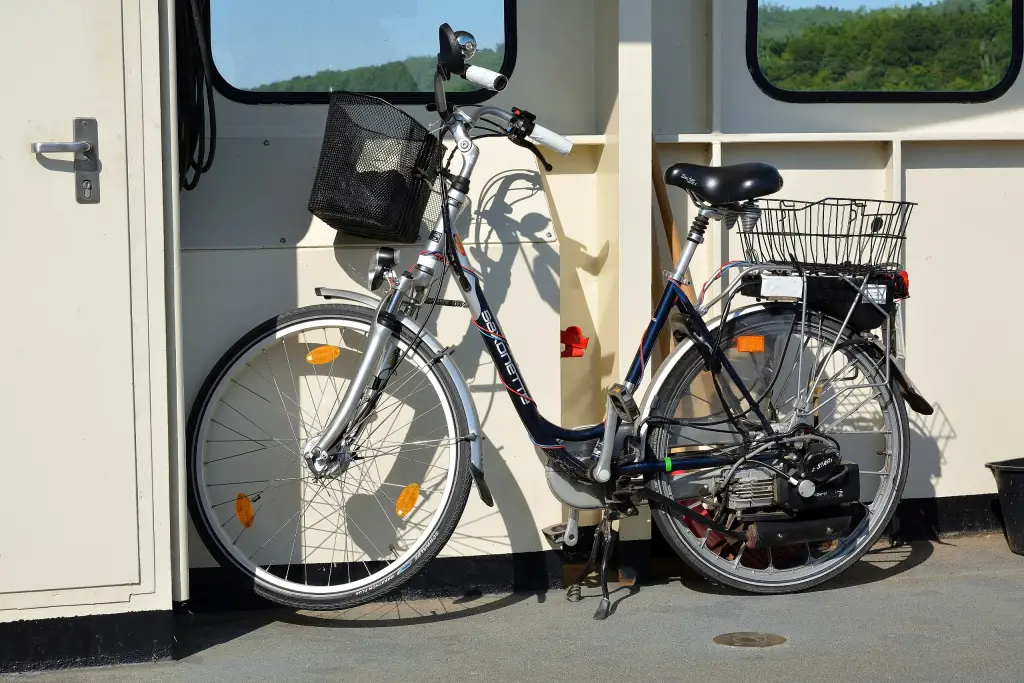
In 1937, at the motor show in Berlin, Fichtel & Sachs presented a two-stroke engine built into a bicycle hub: 60 cm³, 1.2 PS at 3,500 rpm. The company did not sell the engine alone but supplied its customers in the bicycle industry with the complete rear wheel with the motor inside. Among those customers were Anker, Bismarck, Brennabor, Elfa, Excelsior, Gold-Rad, Hecker, Meister, Panther, Presto, Urania, Victoria and Wanderer; Hecker preferred to fit the wheel at the front. Top speed was limited to about 30 km/h. The engine hung so that it could turn about the hub axle, and the reaction torque was taken up by a spring under the Hartmann patent, which made the Saxonette run almost without vibration.
The second Saxonette, 1987–2011
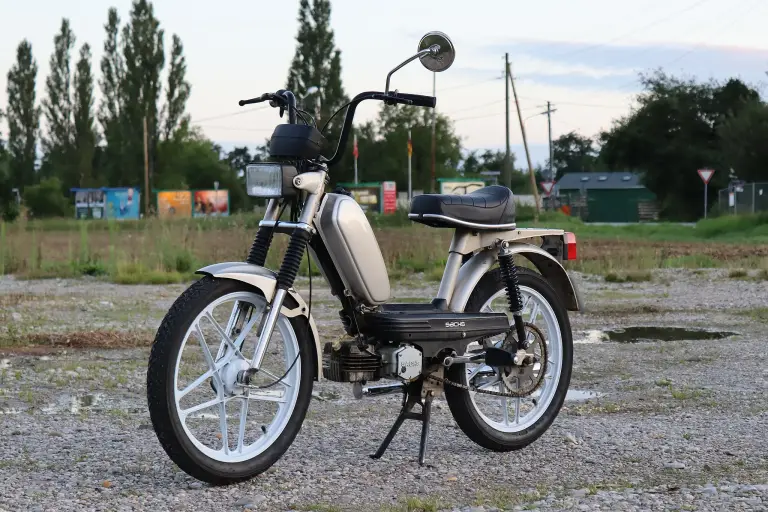
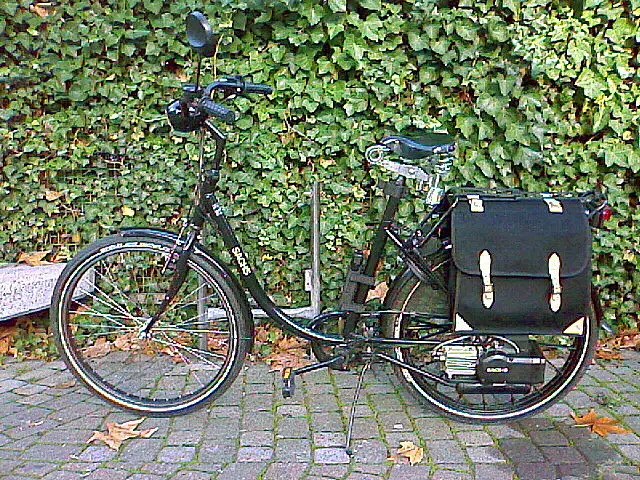
The second series came in 1987 and was sold in Germany under the Hercules label. Its engine, the Sachs 301, was also used from 1993 under the trade name Spartamet in the Netherlands and Britain, where the lightweight moped could be ridden without a helmet or a licence. This was a bicycle with an auxiliary engine: 24 to 27 kg depending on frame height and version, with frames of 50 to 58 cm, and light enough to be pedalled along. The engine was a fan-cooled single-cylinder two-stroke with a single-speed gearbox at the rear wheel, started by an electric starter or a pull cord, and the machine was limited to 20 km/h and could climb a 5 per cent gradient under power.
A name that outlived the engine
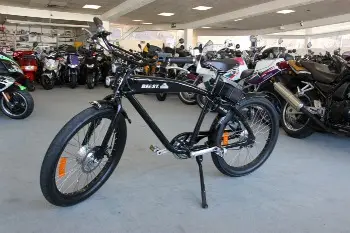
The Saxonette was made until 2011, more than seventy years after the first version. The name has since been used for electric bicycles as well, although those machines have nothing in common with the little two-stroke hub motors that Fichtel & Sachs sold to half the German bicycle trade in 1938.
Design and features
- Engine in the hub: the motor sat inside the rear wheel, not in the frame.
- Sold as a complete wheel: bicycle makers bought the ready-made rear wheel and built their own frames around it.
- Almost vibration-free: the hub mounting and the Hartmann spring took up the reaction torque.
- Two generations: a 60 cm³ engine of the late 1930s and a 30 cm³ moped of 1987–2011.
Sachs Saxonette versions
- First Saxonette (1938–1940): 60 cm³, 1.2 PS, 30 km/h, sold as a complete 26-inch rear wheel.
- Second Saxonette (1987–2011): 30 cm³, 0.7 PS, 20 km/h, built in Germany as a Hercules.
- Spartamet (from 1993): the Sachs 301 engine in the Netherlands and Britain.
- Electric Saxonette: the name later used for electric bicycles.
The Saxonette sits among the small machines of the marque in Sachs 50, and the geared mokick of the later years is Sachs MadAss. More are in the Sachs collection.
Video: Sachs Saxonette Fahrrad mit Hilfsmotor Elektrostarter Moped
Video on YouTube.
Sources
- Saxonette (Motorfahrrad), German Wikipedia: both models, technical data, makers