Reynard Motorsport was the world’s largest racing car manufacturer in the 1980s, building cars for Formula Ford, Formula Three, Formula 3000 and CART from its works at Bicester and later at Reynard Park in Brackley, England. Adrian Reynard turned a small firm set up in 1973 into a supplier whose cars won on their debut in almost every category it entered. Even so, the company was bankrupt by February 2002.
Reynard Motorsport at a glance
| Founder | Adrian Reynard |
|---|---|
| Founded | 1973, as Sabre Automotive Ltd |
| Based at | Bicester, later Reynard Park, Brackley, England |
| Classes | Formula Ford 1600 and 2000, Formula Vauxhall Lotus, Formula Three, Formula 3000, CART |
| Won on debut | Formula Ford 1600, Formula Ford 2000, Formula Three (1985), Formula Atlantic, Formula 3000 (1988), CART (1994) |
| CART entry | March 1994 |
| Formula One plans | programme started in 1989, sold to Benetton in 1991 |
| Special projects | Panoz Esperante, Dodge Stratus touring car, Dodge Viper GTS-R, Chrysler Patriot hybrid prototype |
| BTCC | Ford Mondeo with West Surrey Racing, 1996–1998 |
| Awards | Queen’s Awards for Export Achievement, 1990 and 1996 |
| Bankruptcy | February 2002, about 120 jobs lost |
Based on one source, the English Wikipedia article on Reynard Motorsport.
History of the Reynard Motorsport
From Sabre Automotive to Reynard Park
The company was founded by Adrian Reynard in 1973 as Sabre Automotive Ltd. It built on success in the lower formulae, particularly Formula Ford and its variants — Reynard himself had been one of the top drivers in Formula Ford 2000 in the late 1970s. An important part of the business was the partnership with his friend and former Formula Ford rival Rick Gorne, who looked after sales and the commercial side. Gorne was one of the first people to bring a commercial mindset to selling racing cars: he worked out pricing models for cars and spares based on research into how often cars were damaged, and he began networking with young drivers early in their careers so that they would look favourably on Reynard later.
Reynard acquired a reputation as a marque whose cars won in their first race, and it achieved this on its debuts in Formula Ford 1600, Formula Ford 2000, Formula Three in 1985, Formula Atlantic, Formula 3000 in 1988 and CART in 1994. In Formula 3000 the firm effectively wiped March, Lola and Ralt out of the market, and it did the same to Lola in Indy car racing; Lola recovered only by securing the one-make Formula 3000 contract and reviving itself in IndyCar in the late 1990s. Even when a chassis programme did not work out, Gorne usually made a profit — the 1985 Formula Ford car was a disaster, so the whole programme was sold on for a one-make series behind the Iron Curtain. The Formula Vauxhall (or Opel) Lotus single seaters of the late 1980s were designed and built by Reynard for several years, using spare capacity after Formula Ford 2000 died out.
CART, Formula One and the end
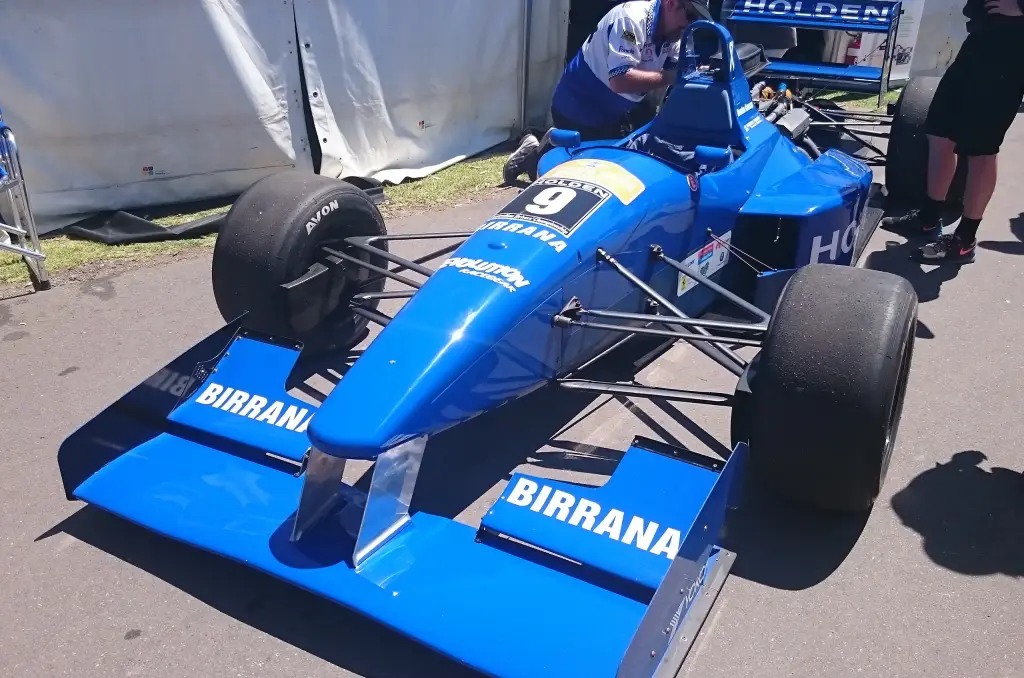
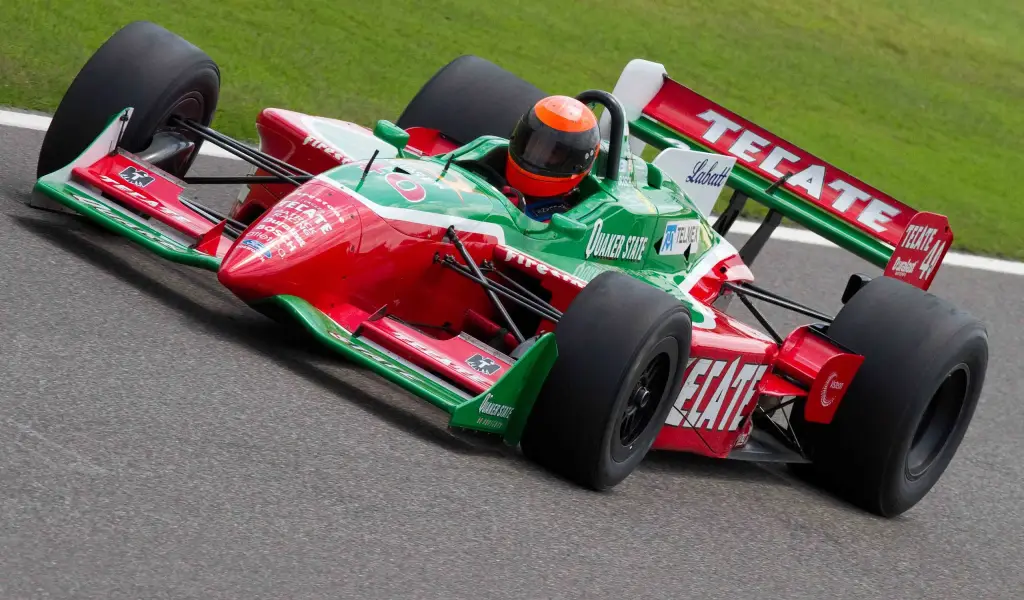
Reynard moved up to CART Indy car racing in March 1994 and became one of the main chassis suppliers there, also working in Formula Nippon and Barber Dodge. A Formula One programme had been started as early as 1989 for a 1992 debut, with engineers such as Rory Byrne hired from Benetton, but in 1991 the project could not be pushed through and was sold to Benetton together with the Enstone factory; Reynard’s research data went to Ligier. Some Reynard components, mostly Formula 3000 based, were later used by Keith Wiggins’ Pacific Racing in its unsuccessful Formula One car, and the firm was also involved in building the DAMS GD-01, which never raced.
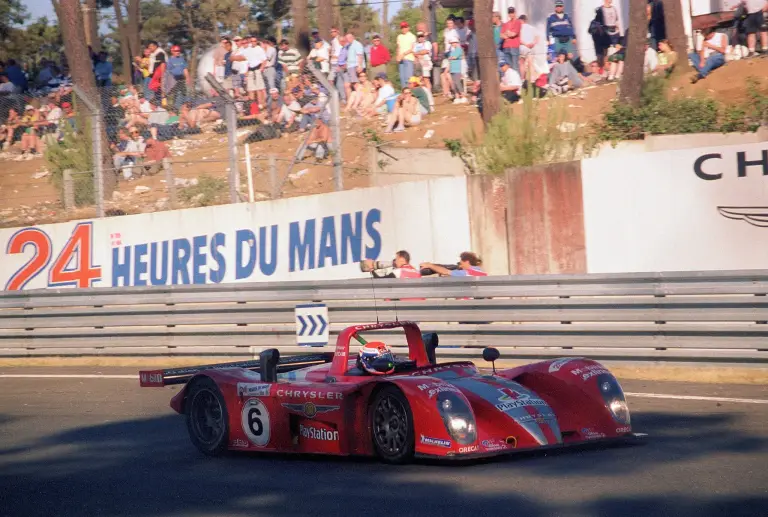
The company engineered sports and touring cars as well. Its special projects included the first competition versions of the Panoz Esperante, the Dodge Stratus touring car, the Dodge Viper GTS-R GT car and an unraced LNG gas-turbine hybrid sports prototype for Chrysler called the Patriot. With West Surrey Racing it designed and built the Ford Mondeo chassis for the British Touring Car Championship from 1996 to 1998, though the well-funded programme had only limited success. Outside motorsport the company built lightweight carbon-fibre airline seats for Richard Branson’s Virgin Atlantic in a joint venture at its Brackley headquarters. Success brought the Queen’s Awards for Export Achievement in 1990 and 1996.
In 1999 Reynard bought Gemini Transmissions and the American racing car manufacturer Riley & Scott, and opened the Auto Research Center in Indianapolis under Bruce Ashmore, which housed a 50 per cent scale wind tunnel and a seven-post shaker rig. The combination of an aborted IPO on the New York Stock Exchange and the costly Riley & Scott purchase bankrupted the company in February 2002, with around 120 jobs lost. The assets were split between three buyers: BAR took the Brackley buildings and the Advantage CFD aerodynamics business, while International Racing Management of Guildford acquired the Formula Nippon and sports car operations.
Design and features
- Winning on debut: Reynard cars took victory in their first race in Formula Ford 1600 and 2000, Formula Three, Formula Atlantic, Formula 3000 and CART.
- Commercial approach: Rick Gorne priced cars and spares from research into accident rates and courted young drivers early.
- Breadth of programme: single seaters from Formula Ford to Indy cars, plus sports, touring and one-make racers.
- Engineering services: wind tunnel and shaker rig work through the Auto Research Center in Indianapolis.
Reynard Motorsport versions
- Formula Ford and Formula Ford 2000: the categories in which the firm made its name from the 1970s.
- Formula Three and Formula Atlantic: customer chassis that dominated grids in the mid-1980s.
- Formula 3000: the 1988 debut win began a period in which March, Lola and Ralt were pushed out.
- CART and Indy cars: from 1994 Reynard became one of the major chassis suppliers in American open-wheel racing.
- Sports and touring cars: Panoz Esperante, Dodge Stratus, Viper GTS-R and the Ford Mondeo BTCC programme.
- One-make and special series: cars sold on for single-model championships, including behind the Iron Curtain.
The best-known Reynard sports prototype is described in the article on the Reynard 2KQ. More racing cars are gathered in the Reynard collection.
Video: Alemania Sachsenring Reynard Ford Champ Car 1998 rFactor On Board
Video on YouTube.
Sources
- Reynard Motorsport, English Wikipedia: history, formulae, projects, bankruptcy