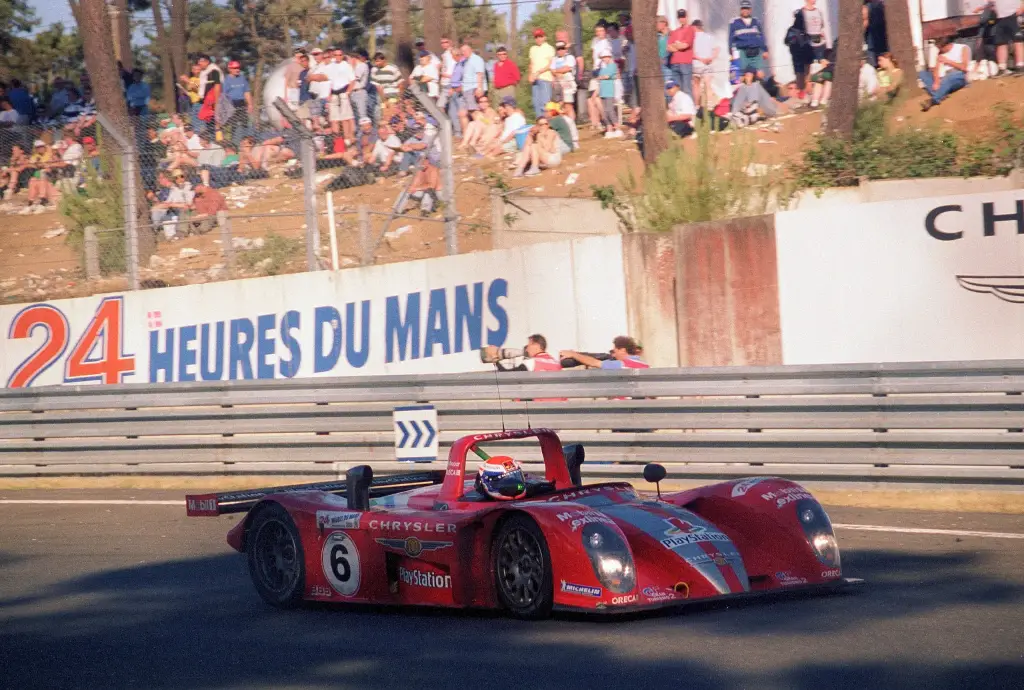
The Reynard 2KQ was a Le Mans prototype built by Reynard Motorsport and used by various racing teams in sports car racing from 2000 to 2004. It was developed for the LMP900 class but also offered in the smaller LMP675 category so that the firm could address a larger customer base, and it took a class victory at Le Mans in 2001.
Reynard 2KQ at a glance
| Class | LMP900 and LMP675 |
|---|---|
| Builder | Reynard Motorsport |
| Developed | late 1999; first cars delivered January 2000 |
| Debut | 24 Hours of Daytona, February 2000 |
| LMP900 engines | Judd GV4 10-cylinder, Chrysler 8-cylinder |
| LMP675 engine | 2-litre four-cylinder, including Volkswagen |
| LMP900 weight | about 940 kg |
| LMP675 weight | about 760 kg (class limits 759–788 kg) |
| Le Mans debut | 2000, five cars entered |
| Best result | LMP675 class victory, 2001 Le Mans, fifth overall |
| Last races | 2004 |
Based on one source, the English Wikipedia article on the Reynard 2KQ.
History of the Reynard 2KQ
Development
The 2KQ was originally developed as an LMP900 car in late 1999. The LMP900 class was the major prototype category at the Le Mans 24 Hours and in the American Le Mans Series in the early 2000s, but during development Reynard decided to launch the prototype for the smaller LMP675 class as well in order to reach a larger customer base. The main differences between the two versions were engine power and weight. Both used a carbon and aluminium monocoque.
The LMP675 cars weighed only around 760 kg — the weight limits were constantly adjusted at Le Mans, with 765 kg in 2000, 788 kg in 2001, 759 kg in 2002 and 761 kg in 2003 and 2004 — and used 2-litre four-cylinder engines. The LMP900 cars weighed around 940 kg and had mid-mounted 4-litre 10-cylinder or 8-cylinder engines. The first cars were delivered to customer teams as early as January 2000.
Racing history
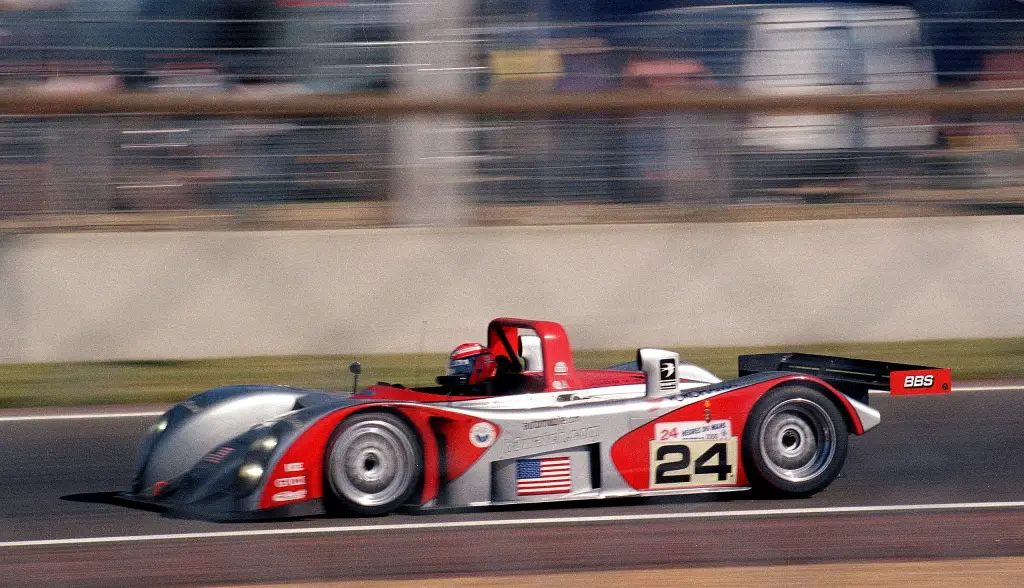
The 2KQ made its racing debut in the LMP900 version at the 24 Hours of Daytona in February 2000. The car, entered by Johansson Matthews Racing, was driven by team owners Stefan Johansson and Jim Matthews together with the British driver Guy Smith and the American Mimo Gidley, and was powered by a Judd GV4 10-cylinder engine. After many technical problems the quartet finished 23rd overall after starting from fourth on the grid.
For the 2000 Le Mans 24 Hours the cars were given the additional designation LM, appearing on the entry lists as 2KQ-LM, and received improved rear wings. A total of five 2KQs started. Two were entered by ORECA in the LMP900 class, alongside the Johansson-Matthews car; the ORECA cars used an 8-cylinder Chrysler engine. The French ROC team entered two 2KQ in the LMP675 class, which was the first appearance of the Volkswagen brand at the 24-hour race, with a 2-litre VW four-cylinder in both cars. The race was not successful: Yannick Dalmas stopped in one ORECA car on the first lap through lack of oil pressure, the second ORECA car finished no better than 20th overall, the American car retired with an engine failure and both ROC cars failed with engine trouble as well.
After ORECA switched to the Dallara SP1 in 2001, the 2KQ disappeared from the large prototype class, but ROC and Noël del Bello kept trusting the car and continued to use it in LMP675 until the end of 2004. The greatest success for the 2KQ came at the 2001 Le Mans 24 Hours, when Jordi Gené, Jean-Denis Delétraz and Pascal Fabre finished fifth overall in a ROC 2KQ and won the LMP675 class.
Design and features
- Two classes, one design: the same monocoque could be raced as an LMP900 or a lighter LMP675 car.
- Carbon and aluminium monocoque: the basis of a customer prototype built in quantity.
- Engine choice: Judd and Chrysler V8s and V10s for LMP900, 2-litre four-cylinders for LMP675.
- Customer programme: cars were sold to ORECA, ROC, Johansson Matthews and Noël del Bello.
- Le Mans update: the 2000 cars ran as 2KQ-LM with improved rear wings.
Reynard 2KQ versions
- 2KQ LMP900: about 940 kg with 4-litre Judd or Chrysler engines.
- 2KQ-LM: the 2000 Le Mans version with revised rear wings.
- 2KQ LMP675: about 760 kg with a 2-litre four-cylinder, including the Volkswagen unit.
- ROC cars: the most successful chassis, winners of the LMP675 class at Le Mans in 2001.
- ORECA cars: Chrysler-engined LMP900 entries of 2000.
- Noël del Bello cars: LMP675 entries that raced the type until 2004.
The 2KQ was the sports prototype programme of Reynard Motorsport, the British racing car manufacturer. More of the firm’s cars are in the Reynard collection.
Video: Reynard 2KQ Ford airbox CFD
Video on YouTube.
Sources
- Reynard 2KQ, English Wikipedia: development, classes, engines, racing history