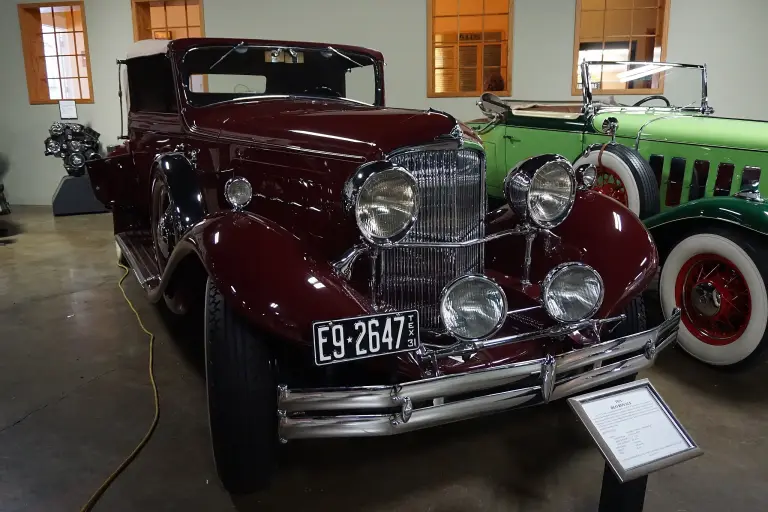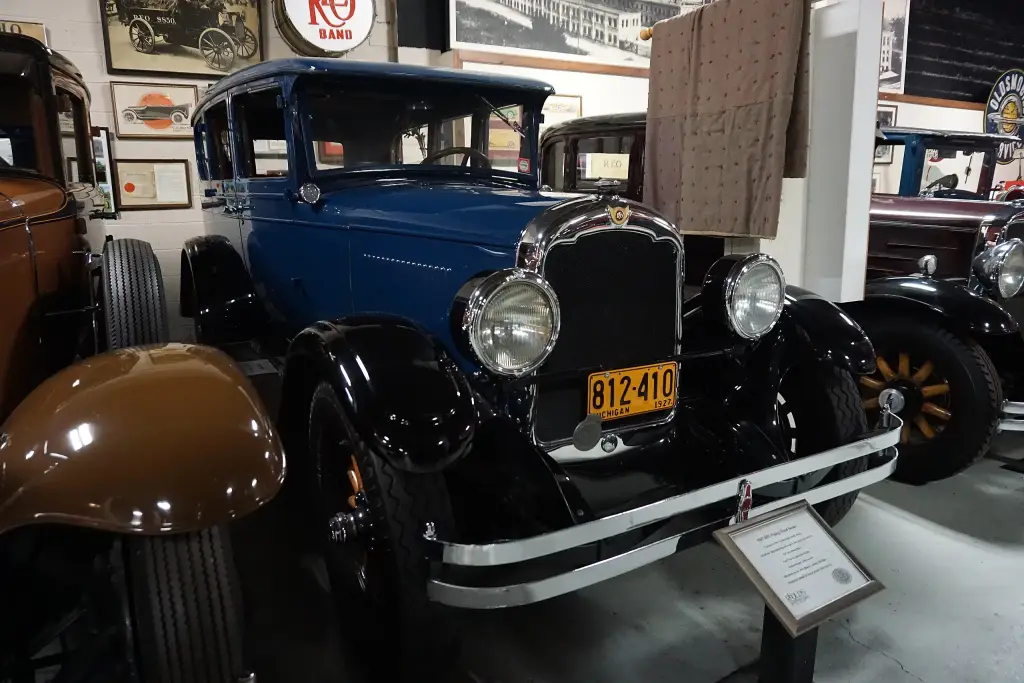
The REO Flying Cloud was the car that made the REO Motor Car Company famous in the late 1920s. Introduced in 1927 as the successor to the T6, it was the first car to use Lockheed’s new hydraulic internal-expanding brakes and was styled by Fabio Segardi. The name, chosen to suggest speed and lightness, ran through six- and eight-cylinder models until 1936, when the last REO passenger car left Lansing.
REO Flying Cloud at a glance
| Maker | Reo Motor Car Company, Lansing, Michigan |
|---|---|
| Production | 1927–1936 |
| Predecessor | Reo T6 |
| 1927 engine | 3,518 cc Continental straight-six, 65 bhp |
| 1927 wheelbase | 3,073 mm (121 in) |
| Flying Cloud Mate (1929) | 2,921 mm wheelbase, later 60 bhp |
| Flying Cloud Master (1929) | 4,397 cc REO six, 80 bhp |
| Flying Cloud 6-21 (1932) | 3,769 cc, 85 bhp |
| 1934 engine | 3,736 cc REO six, 95 bhp |
| Brakes | Lockheed hydraulic, internal expanding |
| Styling | Fabio Segardi |
| Bodies | roadster, coupé, brougham, sedan, Victoria, phaeton, cabriolet |
The English Wikipedia has no separate article on the Flying Cloud: this page uses the Flying Cloud and Royale section of the article on REO together with the German article on the model.
History of the REO Flying Cloud
1927–1931: Flying Cloud, Mate and 15
The first Flying Cloud was presented as a 1927 model. It was slightly larger than the T6 it replaced, with an inch more wheelbase at 3,073 mm and 10 bhp more from its 3,518 cc Continental straight-six, now 65 bhp. Buyers could choose a four-seat roadster, a four-seat coupé in standard and de luxe form, a five-seat brougham and a five-seat sedan. The cars were still offered unchanged in 1928 and sold very well: that year REO reached an all-time production record of 29,000 vehicles.
1929–1931: the smaller cars
For 1929 the wheelbase was shortened to 2,921 mm and the car was sold as the Flying Cloud Mate alongside a new Flying Cloud Master; the Mate came only as a coupé or a four-door sedan. Together the two models sold 30 per cent fewer cars than in 1928, as the Wall Street Crash began to bite. In 1930 the small model became the Flying Cloud 15, its name referring to the 115-inch wheelbase, and power fell to 60 bhp; a year later the wheelbase grew by an inch and a five-seat phaeton joined the range. The small model was dropped without a replacement in 1932.
1929–1936: Master, 20, 25 and 6-21
The Flying Cloud Master of 1929 kept the 3,073 mm chassis but used REO’s own 4,397 cc six of 80 bhp, and was offered as a roadster, coupé, brougham, sedan and even a four-seat Victoria. For 1930 it split into the Flying Cloud 20 on a 3,048 mm chassis, sold as a two- or four-seat coupé and a five-seat sedan, and the Flying Cloud 25 on a 3,150 mm chassis, available only as a seven-seat sedan. Power rose to 85 bhp in 1931 and the Victoria returned. In 1932 both merged into the Flying Cloud 6-21, whose 3,073 mm chassis gave the model its name; only a four-door sedan in normal or sport trim remained, with a new 3,769 cc engine that still produced 85 bhp. By 1933 the eight-cylinder Flying Clouds had gone and the six was simply the Flying Cloud again on a 2,985 mm chassis.
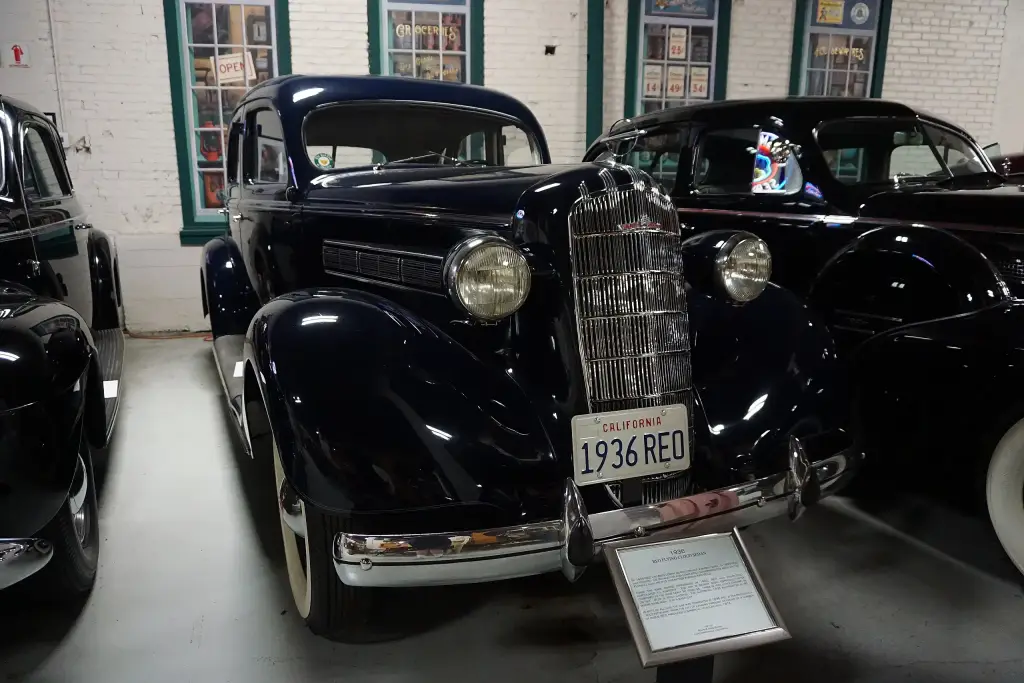
The last REO passenger car
For 1934 REO fitted a new 3,736 cc six of 95 bhp and a semi-automatic gearbox developed at a cost of $2 million, in which the clutch was needed only to pull away; six coupé and sedan bodies were listed. In 1935 the Royale was gone and the Flying Cloud was the company’s only model, with two chassis of 2,921 and 2,997 mm and a long-wheelbase cabriolet. The following year only short-chassis coupés and sedans were built, and that was the last passenger car REO made before turning to trucks. In April 1927 REO had also created the Wolverine as a companion brand to the Flying Cloud, built with a Continental engine until 1928.
Design and features
- Lockheed hydraulic brakes: the Flying Cloud was the first car to use Lockheed’s internal-expanding hydraulic system.
- Segardi styling: a body by Fabio Segardi and a name chosen to evoke speed and lightness.
- Six- and eight-cylinder range: from a 65 bhp Continental six to a 125 bhp straight-eight in the Flying Cloud 30.
- Semi-automatic gearbox: the 1934 transmission cost $2 million to develop and needed the clutch only for starting.
REO Flying Cloud versions
- Flying Cloud (1927–1928): the original 3,073 mm car with the 3,518 cc Continental engine.
- Flying Cloud Mate / 15 (1929–1931): the short-chassis small model, 60 bhp.
- Flying Cloud Master / 20 / 25 / 6-21 (1929–1933): the larger six-cylinder line, up to 85 bhp.
- Flying Cloud 30 / 8-21 / 8-25 (1931–1932): straight-eight cars, the 30 with 5,867 cc and 125 bhp.
- 1934–1936 cars: the final 3.7-litre six-cylinder Flying Clouds, the last REO passenger models.
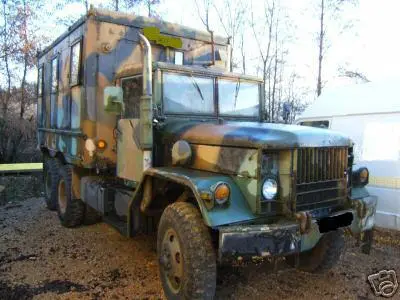
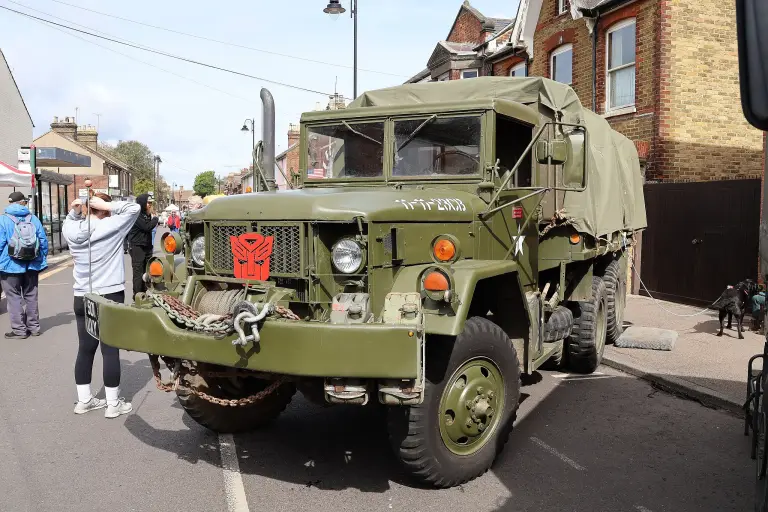
The Flying Cloud was sold alongside the REO Royale flagship, and the company later built military trucks such as the M35. More cars are in the REO collection.
Sources
- Reo Flying Cloud, German Wikipedia: year-by-year models, engines, bodies
- REO Motor Car Company, English Wikipedia: introduction, brakes, styling, last model