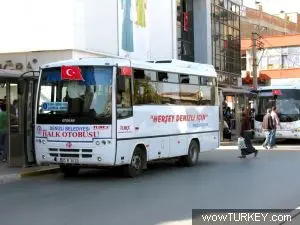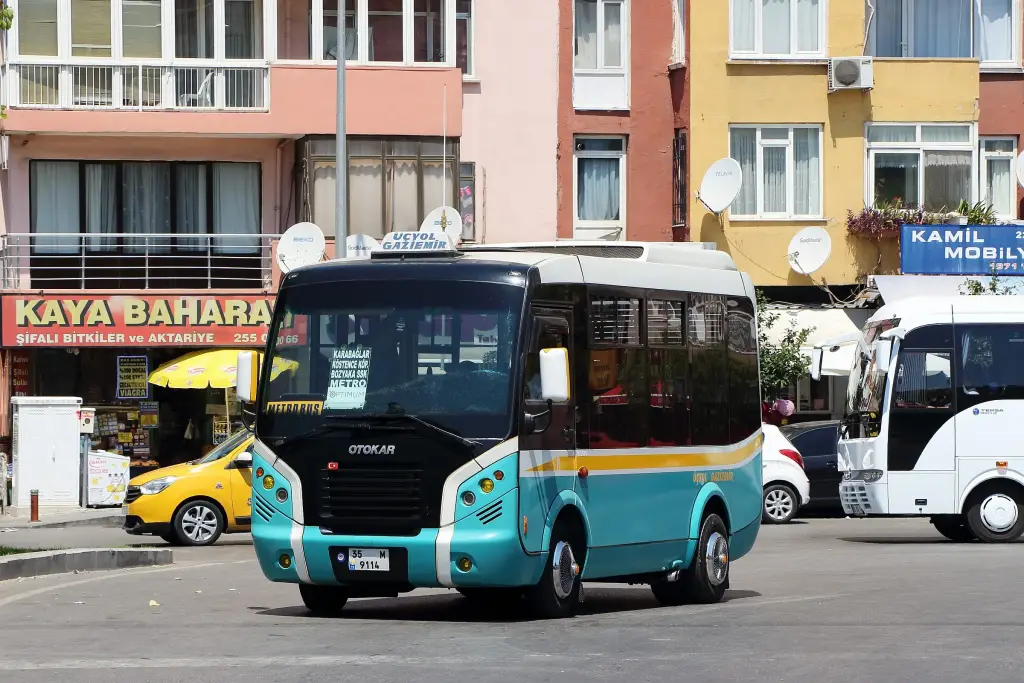
The Otokar M-2010 is a minibus that Otokar built between 2009 and 2014 as a facelifted and updated version of the M-2000 it replaced. At home it was sold with low-emission Euro 4 engines under the M-2010 name, while export markets received Euro 5 versions called the Centro.
Otokar M-2010 at a glance
| Maker | Otokar, Turkey |
|---|---|
| Production | 2009–2014 |
| Predecessor | Otokar M-2000 |
| Type | low-floor minibus |
| Home market name | M-2010 |
| Export name | Centro |
| Home engines | Euro 4 diesel |
| Export engines | Euro 5 diesel |
| Equipment | air conditioning, wheelchair ramp |
| Main cities | Ankara, Istanbul, Izmir |
| End of production | May 2014 |
Based on one source, the Turkish Wikipedia article on the M-2010; the article is short, so this page is shorter than usual.
History of the Otokar M-2010
The model
The M-2010 was a minibus produced by Otokar from 2009 to 2014. It was the refreshed and facelifted form of the M-2000 that it replaced, and it was sold in Turkey as a low-emission minibus with a Euro 4 engine. For export the same vehicle was offered with Euro 5 engines under the Centro name.
Use and end of production
The M-2010 was noted for its low floor, air conditioning and a boarding ramp for disabled passengers. It was a common choice for urban public transport in Ankara, Istanbul and Izmir, and production ended in May 2014.
Design and features
- Low floor: easier boarding in city traffic.
- Wheelchair ramp: a boarding ramp for disabled passengers.
- Air conditioning: fitted as part of the standard specification.
- Two emissions levels: Euro 4 at home and Euro 5 for export.
Otokar M-2010 versions
- M-2010: the Turkish-market minibus with a Euro 4 engine.
- Centro: the export version with a Euro 5 engine.
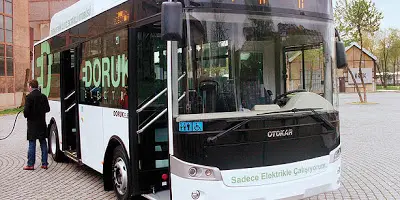
The larger Sultan midibus and the Doruk city bus were Otokar’s other passenger models of the period. More vehicles are in the Otokar collection.
Sources
- Otokar M-2010, Turkish Wikipedia: production years, predecessor, names, equipment