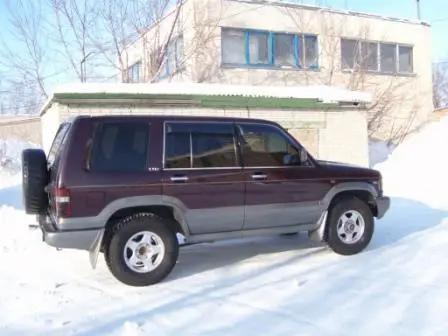
The Opel Monterey was Opel’s version of the Isuzu Trooper, the mid-size SUV that Isuzu built from September 1981 to September 2002. The same vehicle was sold around the world as the Vauxhall Monterey, the Holden Jackaroo and the Holden Monterey, among other names.
Opel Monterey at a glance
| Maker | Opel, a General Motors brand |
|---|---|
| Based on | Isuzu Trooper |
| Trooper production | September 1981 – September 2002 |
| Generations | two (1981–1991 and 1991–2002) |
| Bodies | three-door, five-door, short-lived soft top |
| Drive | rear- or four-wheel drive |
| Early engines | 1.95-litre petrol, 2.2-litre diesel of 73 PS |
| From 1983 | 2.3-litre four of 97 PS and a five-door body |
| Other badges | Vauxhall Monterey, Holden Jackaroo, Chevrolet Trooper |
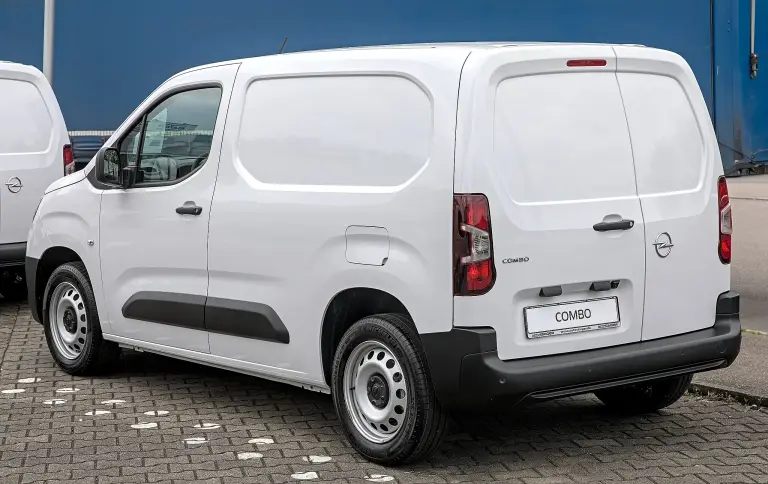
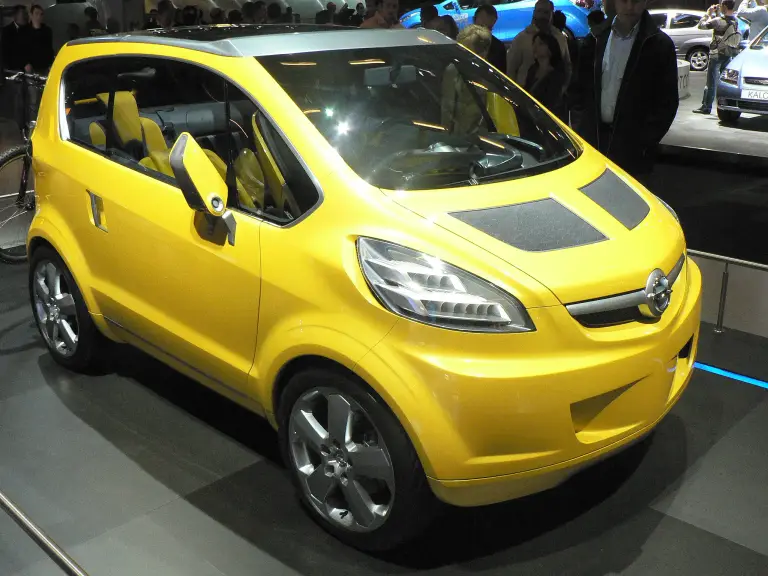
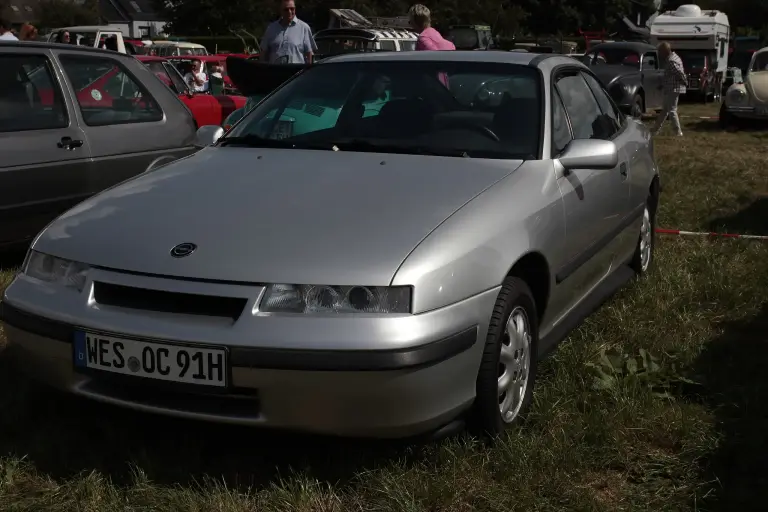
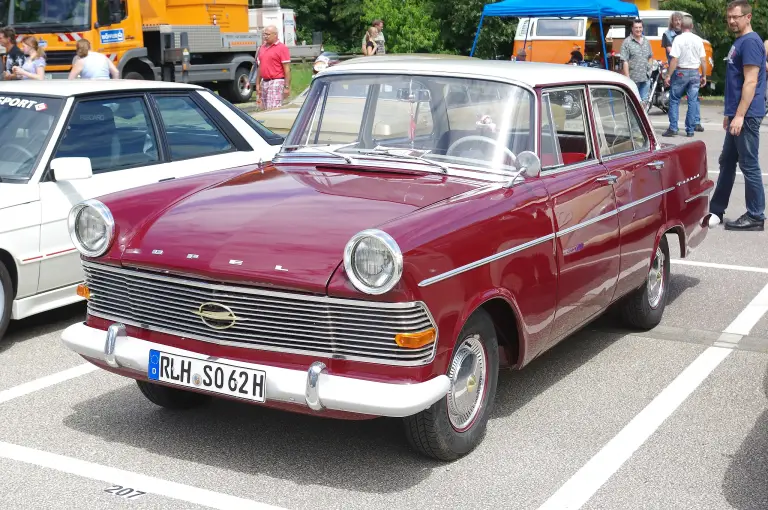
Based on one source, the English Wikipedia article on the Isuzu Trooper, the vehicle sold by Opel as the Monterey. No free photograph of the Monterey was available, so the entry keeps its earlier picture.
History of the Opel Monterey
An Isuzu with many names
Isuzu sold the Trooper at home as the Bighorn and abroad under a long list of names: the Acura SLX in the United States, the Chevrolet Trooper, the Subaru Bighorn, the SsangYong Korando Family, the Honda Horizon, the Holden Jackaroo and Holden Monterey in Australia, and the Opel and Vauxhall Monterey in Europe. In its earliest form the Trooper was based on Isuzu’s first-generation Faster pickup. Its rivals were the Toyota Hilux Surf, Mitsubishi Pajero and Nissan Terrano.
The first generation
The first Trooper arrived in September 1981 as a three-door wagon or a soft top, with independent front suspension. The soft top sold slowly and did not last long. Early engines were a 1.95-litre petrol and a 2.2-litre diesel of 73 PS, underpowered even by the standards of the early 1980s for a vehicle weighing 1,678 kg. Four-wheel drive was engaged with a three-position lever next to the gear lever, and both Aisin manual-locking hubs and Isuzu’s own automatic hubs were used. In 1983 came the five-door body and a 2.3-litre four of 97 PS with a Kevlar timing belt and a larger two-barrel carburettor.
The range grew through the decade: rectangular headlights and LS trim in 1987, a 2.3 of 110 hp for 1988, a 120 hp 2.6-litre fuel-injected unit for America, and in 1989 an optional 2.8-litre GM V6 from the Chevrolet S-10. Later first-generation cars could be had with a four-speed automatic, and from 1988 to 1991 they used live rear axles and four-wheel disc brakes. In Japan a limited run of 100 Bighorn Irmscher R models was offered with cosmetic and interior changes by the German tuner Irmscher.
The second generation
A new Trooper, the UBS, arrived in 1991 and stayed in production until 2002, with a mid-cycle refresh in 1998. It was available with two- or four-wheel drive, which broadened its appeal beyond the utility market that had bought the first cars. The Opel Monterey was the European badge on this vehicle, sold through Opel dealers in the countries where the brand had a strong presence, and it is remembered today as one of the last big Isuzu-based Opels before the company turned to its own crossovers.
Design and features
- Isuzu Trooper underneath: a separate-chassis SUV with independent front suspension.
- Part-time four-wheel drive: engaged by a lever beside the gear lever.
- Two generations: the 1981 car and the 1991 UBS, built until 2002.
- Many badges: Opel, Vauxhall, Holden, Chevrolet and Honda all sold the same vehicle.
Opel Monterey versions
- Three-door Trooper (1981): the original short-wheelbase wagon and soft top.
- Five-door (1983): the longer body with the 2.3-litre engine.
- Bighorn Irmscher R: 100 Japanese cars with Irmscher trim.
- Second generation (1991): the UBS, sold as the Opel Monterey in Europe.
- Vauxhall and Holden versions: the Monterey and Jackaroo in Britain and Australia.
The Monterey was the larger brother of the Frontera, which was based on the smaller Isuzu MU. More cars are in the Opel collection.
Sources
- Isuzu Trooper, English Wikipedia: generations, engines, badges, equipment