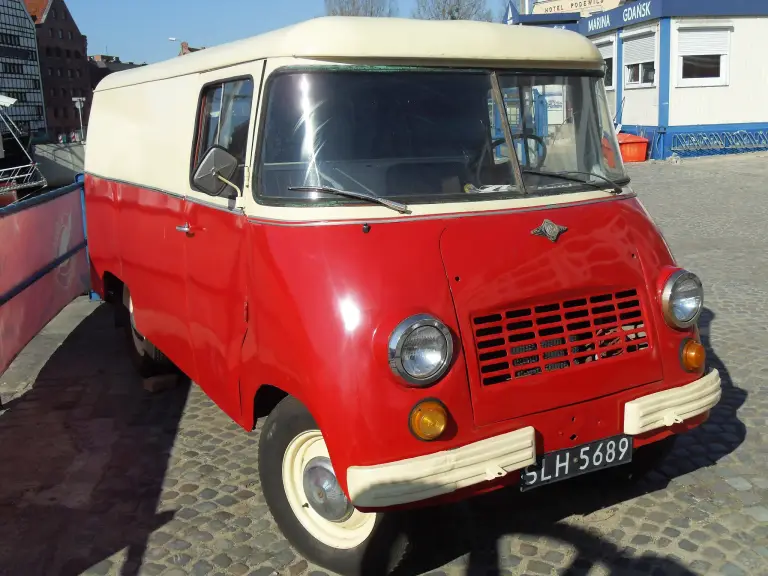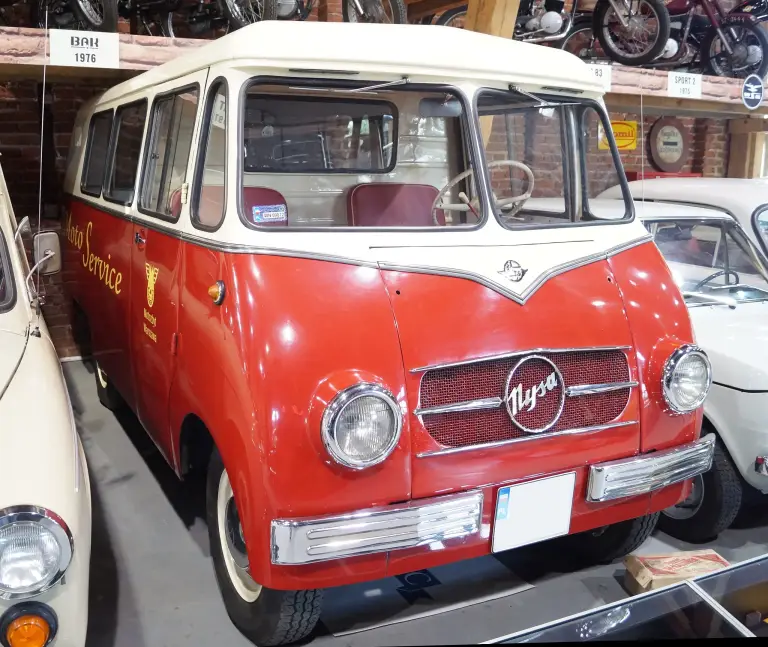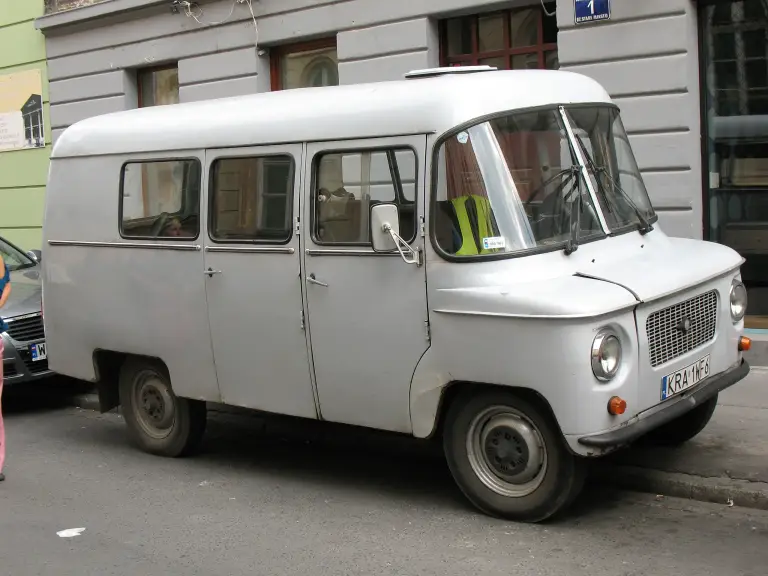
The Nysa 325 was a prototype for the next generation of the Polish Nysa van, built in nine examples with two- and four-wheel drive and diesel power. It looked much like the Lublin van that eventually replaced the Nysa, but it never entered production.
Nysa 325 at a glance
| Type | prototype van |
|---|---|
| Built | 9 examples in different body versions |
| Drive | rear-wheel drive or four-wheel drive |
| Engines | Andoria 4C90 diesel; Polonez AA diesel for the 4×4 |
| Transmission (4×4) | as in the PW-1 prototype, later the Tarpan Honker |
| Appearance | close to the FSC Lublin |
| Related prototype | Nysa 321 (2 examples, one in the National Museum of Technology) |
| Other prototype | Nysa 523 with extra glazing above the side windows |
| Service | some 325s were used by the army |
| Condition today | surviving examples of the 325 and 523 exist in poor condition |
The Nysa 325 is described only in the Prototypy section of the Polish Wikipedia article on the Nysa; this article is based on one source.
History of the Nysa 325
A successor for the 521/522
The Nysa 521/522 had only just entered production in 1968, but its layout dated back to the Warszawa of the early 1950s. The plant developed a modern replacement with a diesel engine, and the Nysa 325 was the result. Nine examples were built in various body versions, with rear-wheel drive and with four-wheel drive, so that the plant could test both layouts.
Diesel power
The 325 was powered by diesel engines from Andoria: the four-cylinder 4C90, and the Polonez AA in the four-wheel-drive version. The whole drivetrain of the 4×4 followed the PW-1 prototype, which later became the Tarpan Honker. Most probably the plan was to put the 4×4 with the 4C90 into production, and the AA engine served only for testing.
What it looked like
In appearance the Nysa 325 closely resembled the FSC Lublin van and differed from the version that actually entered production only in details. The design was close enough to production that some examples were used by the army until recent years. Alongside it the plant built a single prototype marked Nysa 523, with additional glazing above the side windows; delegations from the Nysa factory travelled to Warsaw in it to visit FSO. Examples of both prototypes survive today, though in fairly poor condition.
Why it stayed a prototype
The 325 did not replace the 521/522, which remained in production until 1994 and was finally succeeded by the Lublin van.
Design and features
- Two layouts: both rear-wheel drive and four-wheel drive were built and tested.
- Diesel engines: the Andoria 4C90 and, for the 4×4, the Polonez AA.
- Honker drivetrain: the four-wheel-drive transmission came from the PW-1 prototype.
- Production-like design: externally it differed from the production Lublin only in details.
Nysa 325 versions
- 325 2×4: the rear-wheel-drive prototype with the Andoria 4C90 diesel.
- 325 4×4: the four-wheel-drive version with the Polonez AA engine.
- Body versions: the nine examples were built with different bodies.
- Nysa 321 and 523: related prototypes, the 523 with extra glazing above the side windows.
The 325 was meant to replace the Nysa 521/522, which stayed in production until 1994; the earlier Nysa 501 and Nysa N59 show how the line began. More vehicles are in the Nysa collection.
Video: Nysa 325
Video by AkuAku on YouTube.
Sources
- ZSD Nysa, Polish Wikipedia: Nysa 325 prototypes, engines, drive layouts
- ZSD Nysa, English Wikipedia: Nysa production history and successor