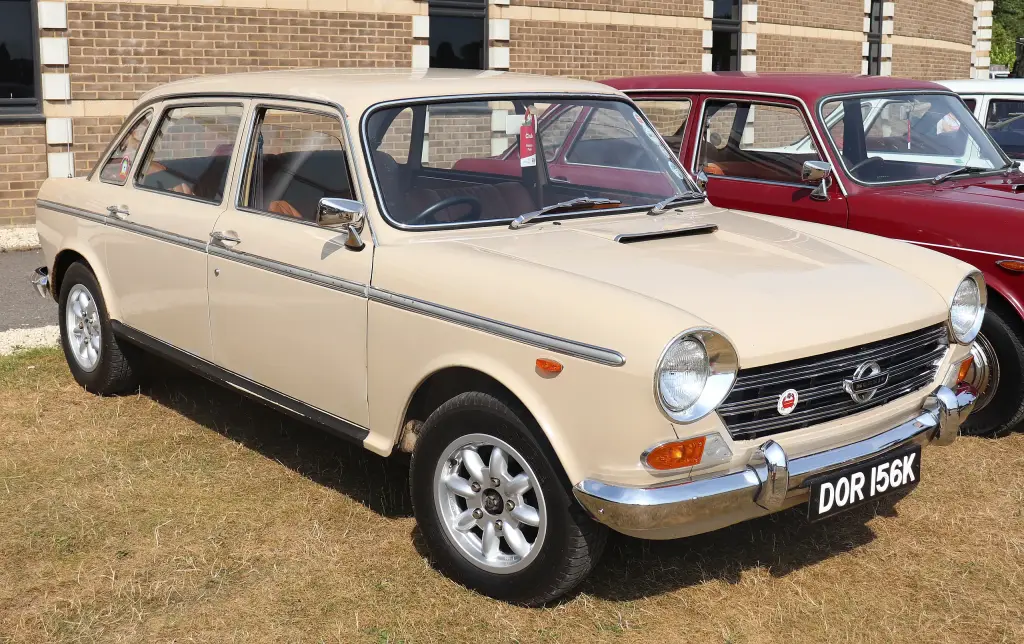
The Morris 1800 appeared in 1966 as the Morris-badged version of BMC’s ADO17 range, after the Austin 1800 had been launched in September 1964. Wide, low and unconventional, it was nicknamed the Landcrab. Later cars with a 2.2-litre engine were sold as the Morris 2200.
Morris 1800 at a glance
| Also known as | BMC ADO17, Austin 1800, Wolseley 18/85, Morris 2200, Wolseley Six |
|---|---|
| Production | 1964–1975 (Morris 1800 from 1966) |
| Designers | Alec Issigonis and Pininfarina (styling) |
| Layout | transverse engine, front-wheel drive |
| Engine | four-cylinder 1800; 2.2-litre for the 2200 |
| Suspension | Hydrolastic |
| Body | four-door saloon, unitary construction |
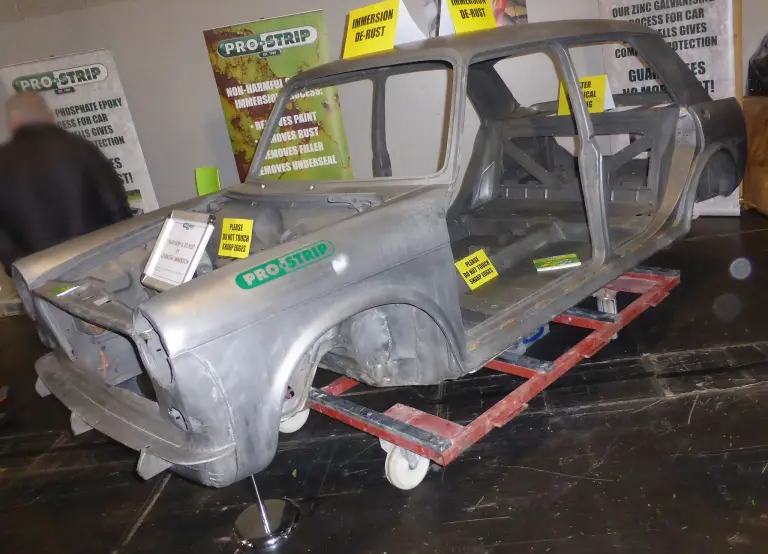
| Torsional rigidity | 18,032 Nm per degree |
| Titles | European Car of the Year 1965 (as the Austin 1800) |
| Nickname | “Landcrab” |
| End of production | 1975 |
History of the Morris 1800
The ADO17 was developed at BMC as a larger companion to the Mini and the 1100. In the class of big family cars, which BMC called the ‘D’ segment, it was to make front-wheel drive and Hydrolastic suspension normal. The Austin 1800 was launched in September 1964 and voted European Car of the Year for 1965, and the badge-engineered Morris 1800 followed in 1966 with the Wolseley 18/85 a year later.
An unusual car
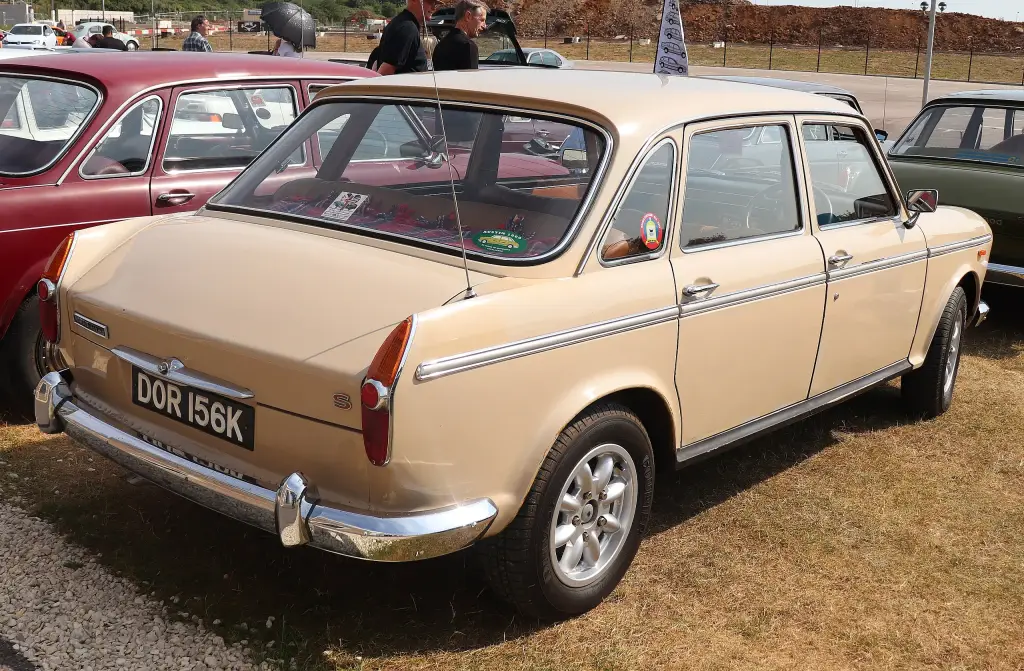
The 1800 was much wider and lower than its rivals, with a large glasshouse and a stark, minimalist interior trimmed in leather, wood and chrome. Its instrument display used a ribbon speedometer with a green indicator light on the end of the stalk, the handbrake was a chrome ‘umbrella handle’ under the dashboard shelf, and the two front seats met in the middle to work, on occasion, as a bench. The bodyshell was exceptionally rigid, at 18,032 Nm per degree, and the brake-force distribution valve reacted to deceleration rather than to fluid pressure. Early cars were changed constantly: the final drive ratio reverted within months of launch, the handbrake was moved, the rear anti-roll bar removed, and a recalibrated dipstick was fitted in 1967, a change that gave rise to rumours that early engine troubles had simply been caused by the wrong oil level.
From 1800 to 2200
In June 1967 the car was quietly revised with repositioned heater controls, a strip of walnut veneer on the fascia, separate bucket seats instead of the split bench and more highly geared steering needing 3.75 turns rather than 4.2. A 2.2-litre six-cylinder engine later produced the Austin 2200, Morris 2200 and Wolseley Six, which were sold alongside the 1800 until the range was replaced by the Princess. The car also earned a good reputation in endurance rallies, where a strong bodyshell and sophisticated suspension made up for modest power on rough roads.
Design and features
- Hydrolastic suspension: interconnected front and rear displacers give a level, comfortable ride.
- Very stiff body: torsional rigidity of 18,032 Nm per degree, high for a 1964 family car.
- Inertia-controlled brake distribution: braking force shifts between the axles according to deceleration.
- Unusual interior: ribbon speedometer, umbrella-handle handbrake and a bench-like front seat.
- Night-dipping lamps: a resistor circuit dimmed the rear lamps when the sidelights were on.
Morris 1800 versions
- Austin 1800 (1964–1975): the original version of the range.
- Morris 1800 (1966–1975): Morris-badged car, the subject of this page.
- Wolseley 18/85 (1967–1975): more luxurious sister model.
- Morris 2200 and Austin 2200: 2.2-litre six-cylinder versions.
- Wolseley Six: the six-cylinder luxury version of the same body.
The 1800 sat above the Morris 1100 in the BMC range and shared its Issigonis thinking; the smaller Morris Minor was still on sale when it arrived. More cars are in the Morris collection.
Sources
- BMC ADO17, English Wikipedia: development, engineering, changes, range