The Land Rover Discovery is a series of sport utility vehicles from Jaguar Land Rover, sold under the Land Rover marque and now in its fifth generation. The first was introduced in 1989, the company’s first new model line since the 1970 Range Rover on which it was based.
Land Rover Discovery at a glance
| First generation | 1989–1998, unveiled at the Frankfurt Motor Show |
|---|---|
| Project code | Jay |
| Second generation | 1998, the Series II |
| Third generation | 2004, Discovery 3 or LR3 |
| Fourth generation | 2009, Discovery 4 or LR4 |
| Fifth generation | 2017 |
| Bodies at launch | three-door only; five-door from 1990 |
| Seats | five, with optional jump seats in the boot |
| Interior design | Conran Design Group, British Design Award 1989 |
| Transmission at launch | dual-ratio five-speed manual with lockable centre differential |
based on one source (English Wikipedia)
History of the Land Rover Discovery
The Range Rover had been designed as an everyday four-wheel drive that could serve as both utility vehicle and family car, but it moved steadily upmarket. The Discovery was meant to fill the role the Range Rover had originally filled, a segment by then dominated by the Nissan Patrol, Mitsubishi Pajero and Toyota Land Cruiser. Positioned below the Range Rover, it was longer and higher, with more room in the back and optionally more seats. Space use improved in later generations, but the series kept offering seven seats.
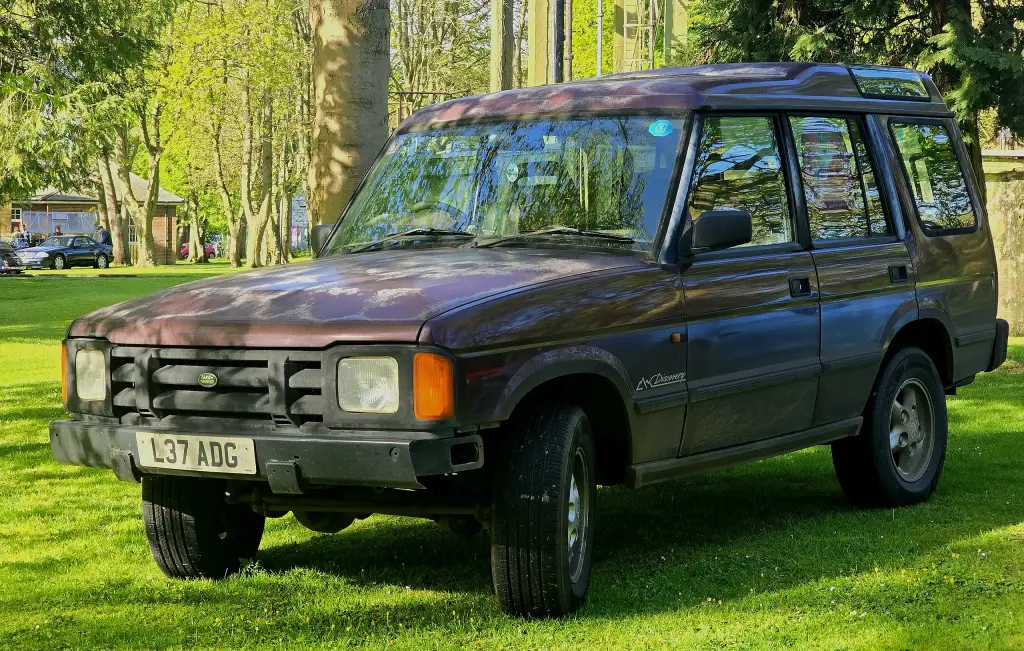
The Discovery Series I was unveiled at the 1989 Frankfurt Motor Show, developed under the code name Project Jay, and went on sale in Britain that October. It used the Range Rover’s chassis, suspension and four-wheel-drive system with a derivative body, and the four-door shared much of the more expensive car’s body structure. Smaller engines, only two side doors at first and other savings let Land Rover price it for a broader, middle-class market against the Japanese competition. At launch it came only as a three-door; the five-door followed in 1990. Both had five seats with two optional jump seats in the boot.
To make room for the third row the spare wheel moved outside, on a side-swinging rear door instead of the Range Rover’s split tailgate, and the rear roof was raised for headroom. Land Rover brought in the Conran Design Group to design the interior and told them to ignore current car interior practice and treat the vehicle as a lifestyle accessory. The result won a British Design Award in 1989. The original transmission was a dual-ratio five-speed manual driving through a transfer case with a lockable centre differential.
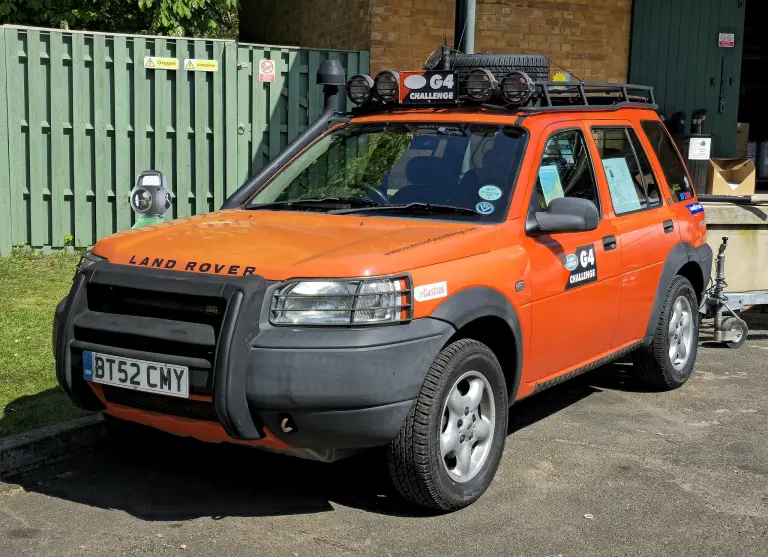
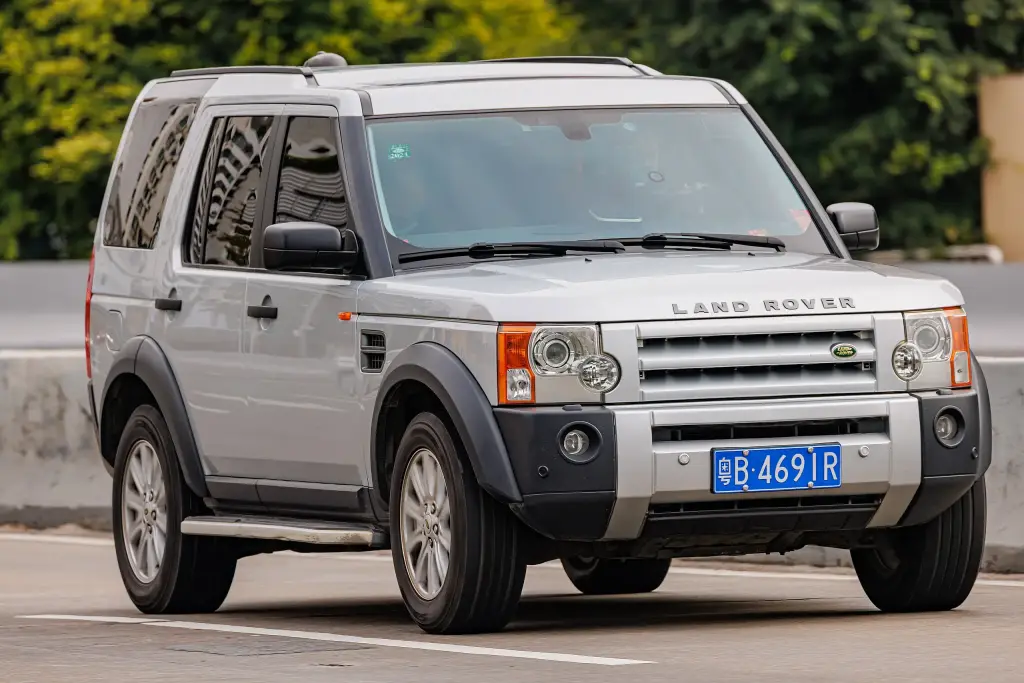
The second generation arrived in 1998 as the Series II: an extensive facelift with a longer rear overhang, keeping the 100-inch wheelbase frame and the rigid live axles from the original Range Rover. The third generation of 2004, called Discovery 3 or LR3 in North America and the Middle East, was a new ground-up design and the first all-original Discovery, with fully independent suspension but a separate, integrated body and chassis. The fourth generation of 2009 was again mainly an update, sold as the Discovery 4 or LR4. The fifth generation of 2017 dropped the numeric suffix and moved to a unitary body, a crossover style and a lighter structure.
Design and features
- Family first: the first Land Rover designed as much for school runs as for fields.
- Seven seats: offered from the start through optional jump seats in the boot.
- Conran interior: a British Design Award in 1989 for a lifestyle-led cabin.
- Engineering progress: live axles in the first two generations, independent suspension from 2004, a unitary body from 2017.

Land Rover Discovery versions
- Discovery Series I (1989–1998): three-door at launch, five-door from 1990, the only Discovery with a three-door body.
- Discovery Series II (1998): facelift with a longer rear overhang.
- Discovery 3 / LR3 (2004): all-new design with independent suspension.
- Discovery 4 / LR4 (2009): update of the third generation.
- Discovery (2017): fifth generation with a unitary body and no numeric suffix.
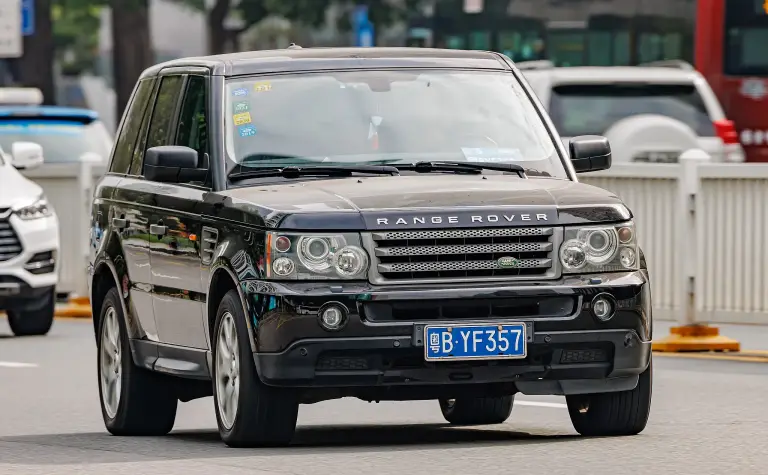
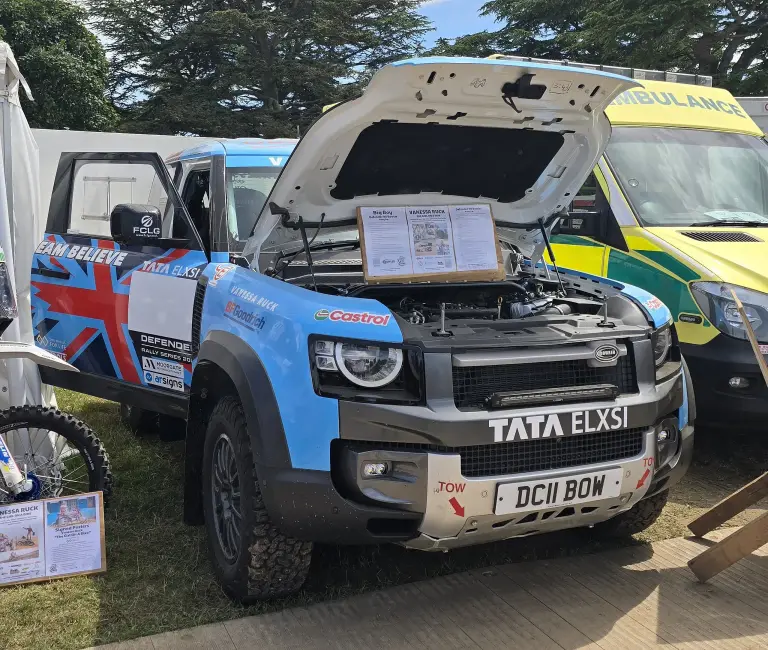
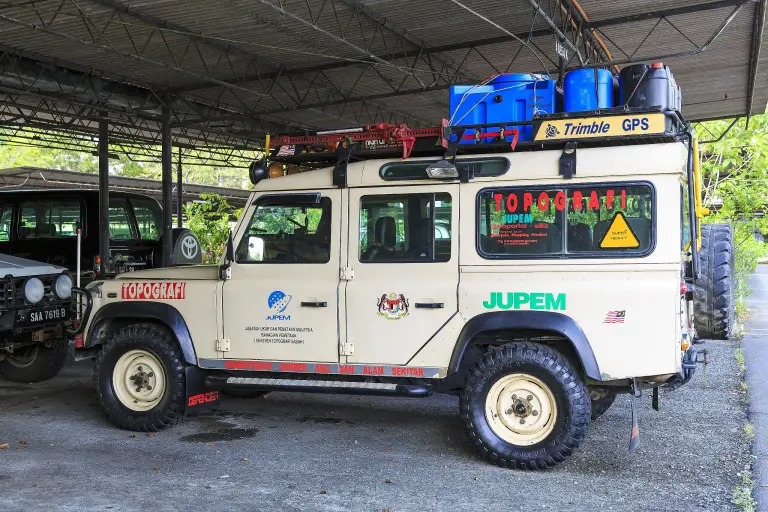
The Discovery was based on the Range Rover and joined the Defender in the range. More cars are in the Land Rover collection.
Sources
- Land Rover Discovery, English Wikipedia: generations, design, launch details