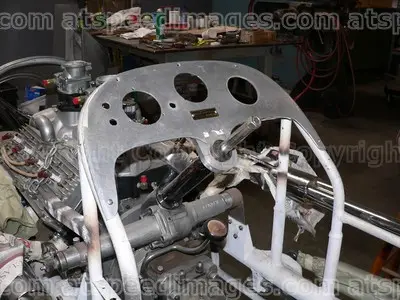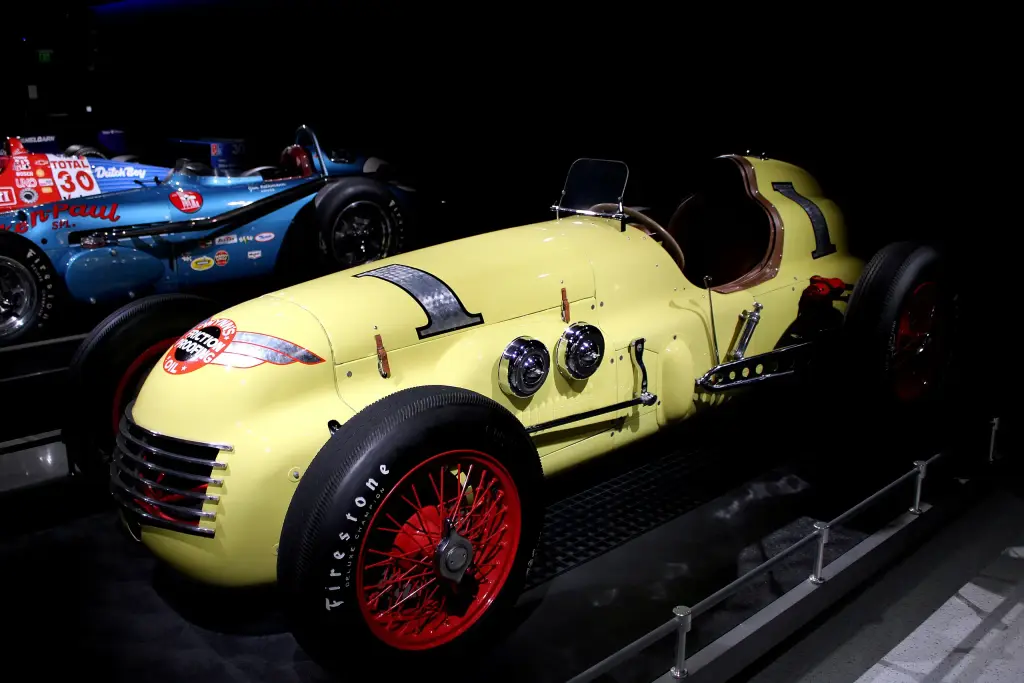
The Kurtis Kraft 500 was not one car but a series of open-wheel racing cars — the 500B, 500C, 500F and 500G — designed, developed and built by Kurtis Kraft for AAA and U.S.A.C. Indy car racing between 1948 and 1960. In that period the Indianapolis 500 was part of the Formula One world championship, so these dirt-track-derived roadsters appeared on the same entry lists as the European grand prix cars.
Kurtis Kraft 500 at a glance
| Maker | Kurtis Kraft, Glendale, California |
|---|---|
| Chief designer | Frank Kurtis |
| Type | open-wheel Indianapolis race car |
| Series | 500B, 500C, 500F, 500G |
| Built for | AAA and U.S.A.C. Indy car racing |
| Years | 1948–1960 |
| Engine | Offenhauser four-cylinder |
| Championship status | the Indianapolis 500 counted for the Formula One world championship 1950–1960 |
| Company record | 120 Indianapolis 500 cars built, including five winners |
The English Wikipedia page on the 500 series is very short; the company history and the championship context come from the article on Kurtis Kraft.
History of the Kurtis Kraft 500
Kurtis Kraft was founded by Frank Kurtis, who built his first midget car chassis in the late 1930s and turned the business into one of the most prolific American racing-car constructors. Alongside 387 midget cars the company produced 120 cars for the Indianapolis 500, and five of them won the race. The 500 series was the front-engined roadster line that carried that work through the 1950s.
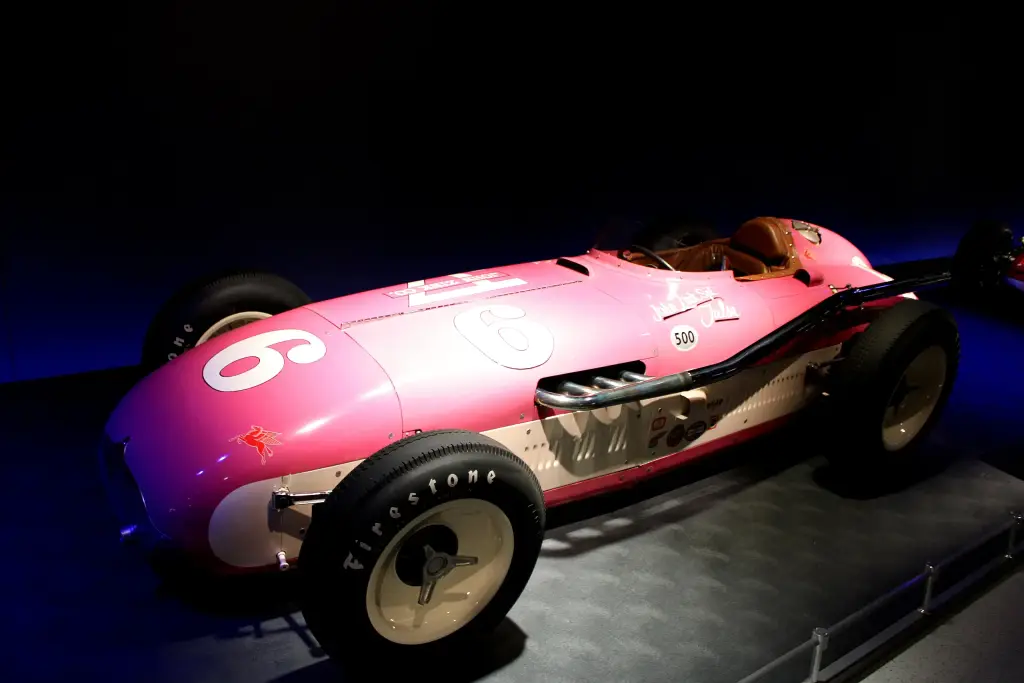
The series ran from 1948 to 1960 and was sold in successive designations — 500B, 500C, 500F and 500G — for AAA and then U.S.A.C. competition. Because the Indianapolis 500 was a round of the FIA World Drivers’ Championship from 1950 to 1960, the Kurtis Kraft cars of those years are credited with competing in the world championship itself, not only in American national racing.
The cars were built for oval racing rather than for road courses. A midget-racing Kurtis Kraft even appeared in the 1959 United States Grand Prix in the hands of Rodger Ward, but it was never designed for international-style road racing: with an undersized engine it ran at the back of the field for twenty laps before retiring with clutch trouble.
Design and features
- Roadster layout: a front-engined open-wheel car in the Indianapolis tradition of the late 1940s and 1950s.
- Offenhauser power: the same engine family, in smaller form, that made the Kurtis Kraft midgets so strong.
- Progressive designations: the B, C, F and G suffixes mark the successive versions offered between 1948 and 1960.
- Championship pedigree: the cars ran in the years when the 500 was a Formula One world championship round.
Kurtis Kraft 500 versions
- 500B: the earliest designation of the series.
- 500C: a later version of the same roadster line.
- 500F: a further update within the series.
- 500G: the last of the designations, still racing at the end of the 1950s.
- Offenhauser-engined cars: the version most often associated with the name in museum collections today.
The smaller Kurtis Kraft racing car is described in the article on the Kurtis Kraft midget. More cars of the marque are in the Kurtis Kraft collection.
Video: Kurtis Kraft Roadster Johnnie Parsons Indy 500 1955 scale model
Video on YouTube.
Sources
- Kurtis Kraft 500, English Wikipedia: series designations and years
- Kurtis Kraft, English Wikipedia: company history, Indianapolis record, world championship status