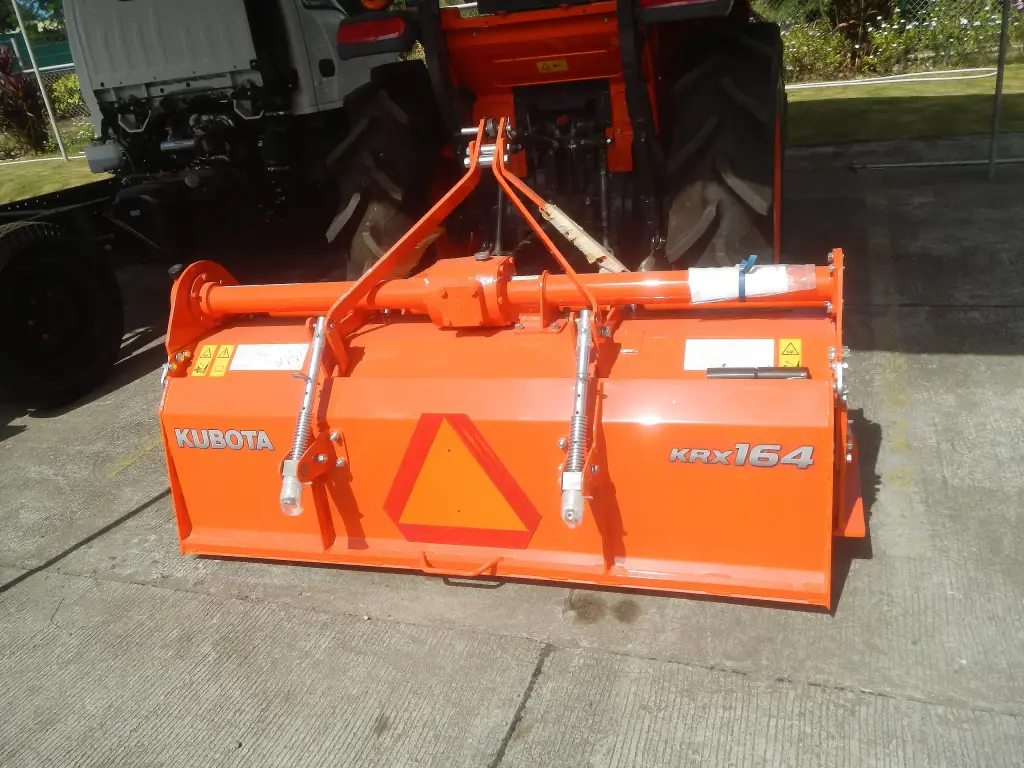
Engines are the oldest continuous thread in Kubota’s history. The company built a petroleum engine for farm machinery in 1922 and diesel units from the mid-1940s, and its range now runs from single-cylinder naturally aspirated engines for pumps to straight-six turbocharged tractor engines.
Kubota diesel engines at a glance
| Maker | Kubota Corporation, Osaka, Japan |
|---|---|
| Range | single-cylinder naturally aspirated units for pumps and small equipment to straight-six turbocharged tractor engines |
| Industrial engines | Kubota’s strength is in small engines, with a range below 200 hp |
| OEM business | more than half of the industrial engine output goes to other manufacturers |
| Crate engines | supplied for agricultural equipment, construction equipment, tractors and marine propulsion |
| First engine | a petroleum engine for farm machinery, 1922 |
| Engine plant | Sakai, Osaka Prefecture, opened in 1937 for engine production |
| German site | Rodgau, making engines, tractors and municipal machines |
| American subsidiary | Kubota Engine America, Lincolnshire, Illinois |
| Engine in this collection | RK 80-1S, a horizontal water-cooled four-stroke unit |
There is no Wikipedia article for Kubota’s engine range. This page uses the Kubota company articles, which describe the engine business but give no specifications for individual units.
History of the Kubota diesel engines
Petroleum engines and the Sakai plant
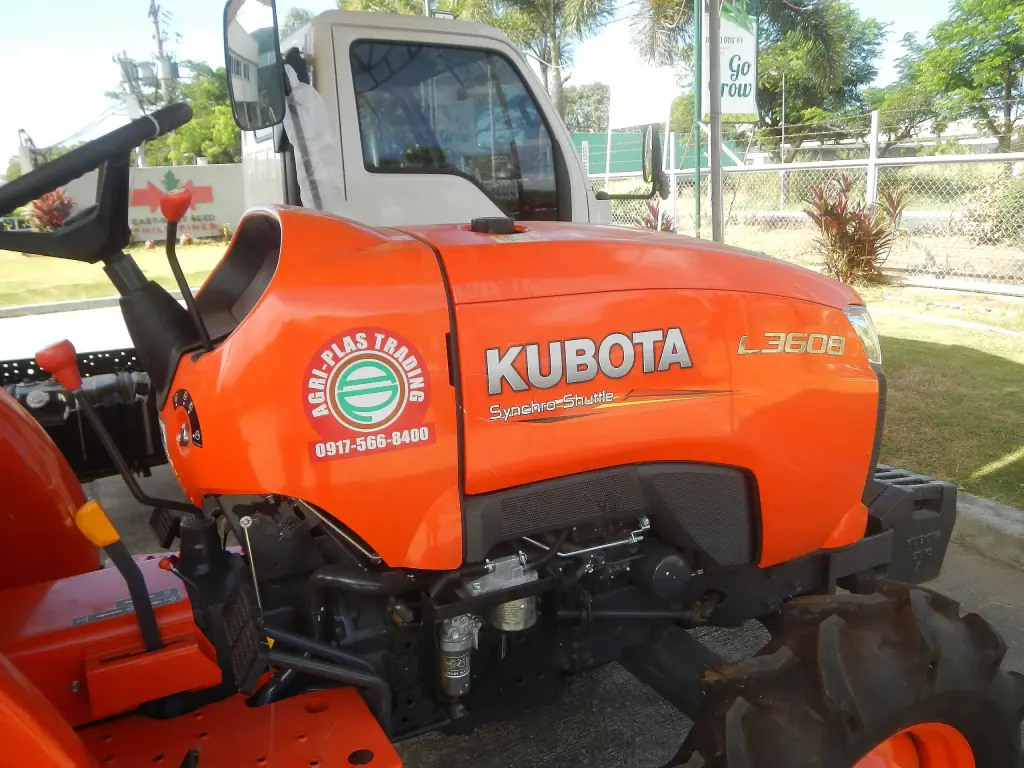
Kubota was an Osaka iron foundry before it was an engine maker. Founded in 1890 by Gonshiro Ōde, it made cast-iron water pipes, and in 1922 it added a petroleum engine for driving agricultural machinery such as stationary threshing machines. In 1937 the company opened the Sakai plant in Osaka Prefecture, and engines were its first product there. Diesel engines were added to the range in the mid-1940s, at a time when the company was rebuilding its agricultural business, and the shares have been listed in Tokyo since 1949.
The smallest diesel of its day
Kubota’s best-known engine of the post-war years came inside a tractor. The Bulltra series of 1971 used a water-cooled inline two-cylinder diesel that the company describes as the smallest of its kind in the world, and the same tractor was the industry’s first compact machine with four-wheel drive. The Bulltra became Kubota’s best-selling product, and the engine principle behind it, a small, light, water-cooled diesel, stayed at the centre of the company’s thinking for tractors, excavators and generators.
Engines as a business
Kubota today builds both diesel and gasoline engines, from single-cylinder naturally aspirated units for pumps and other small equipment to high-horsepower straight-six turbocharged tractor engines. Its industrial diesel range stays below 200 hp, where the company says it is strongest, and more than half of that output is supplied to other manufacturers as OEM engines. Kubota also sells crate engines for agricultural equipment, construction equipment, tractors and marine propulsion, which is why its engines turn up in machines that carry no Kubota badge. The engine business is run from sites including Sakai in Japan, Rodgau in Germany and Kubota Engine America at Lincolnshire, Illinois.
Design and features
- A very wide range: from single-cylinder naturally aspirated engines for pumps to straight-six turbocharged tractor engines.
- Small engines as the speciality: the industrial range stays below 200 hp, the band where Kubota says it is strongest.
- OEM supplier: more than half of industrial engine output goes to other manufacturers, and crate engines are sold for agricultural, construction, tractor and marine use.
- Own plants: engines are built at Sakai in Japan, at Rodgau in Germany and by Kubota Engine America in Illinois.
- History in the metal: the horizontal water-cooled RK 80-1S in the photograph is a four-stroke stationary engine of the kind that drove threshing machines and pumps.
Kubota diesel engines versions
- RK 80-1S: a horizontal water-cooled four-stroke engine, as shown in the photographs.
- Single-cylinder naturally aspirated engines: the smallest end of the range, used for pumps and small equipment.
- Straight-six turbocharged engines: the largest tractor units in the Kubota range.
- Crate engines: complete units sold to other manufacturers for agricultural, construction and marine machinery.
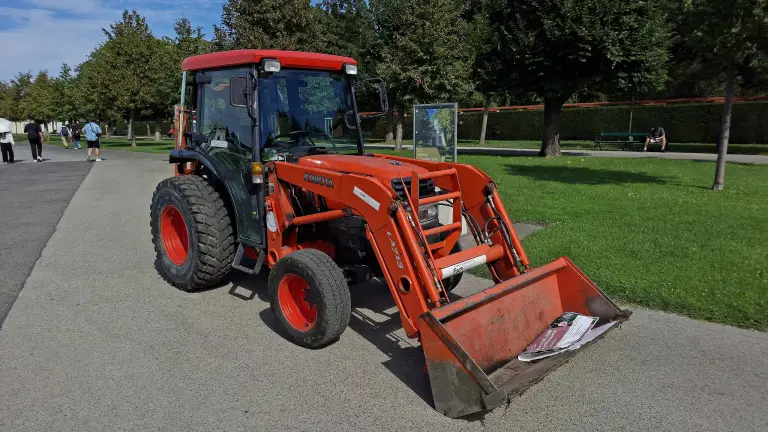
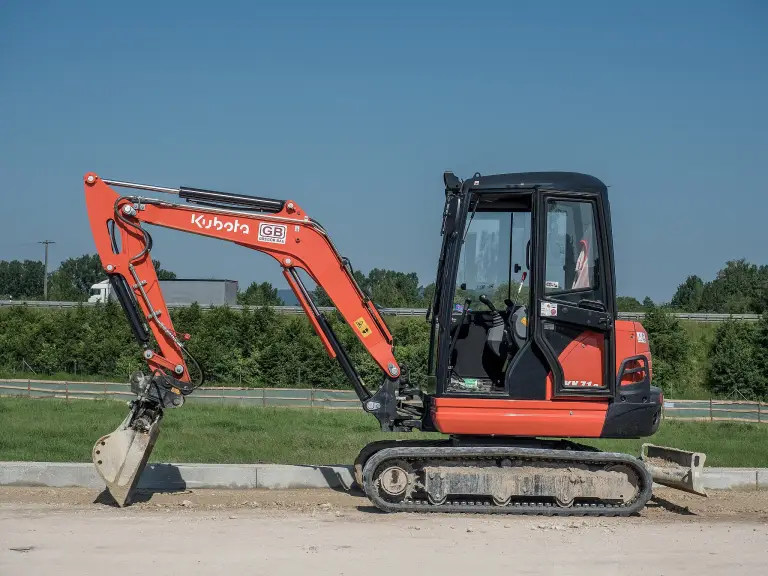
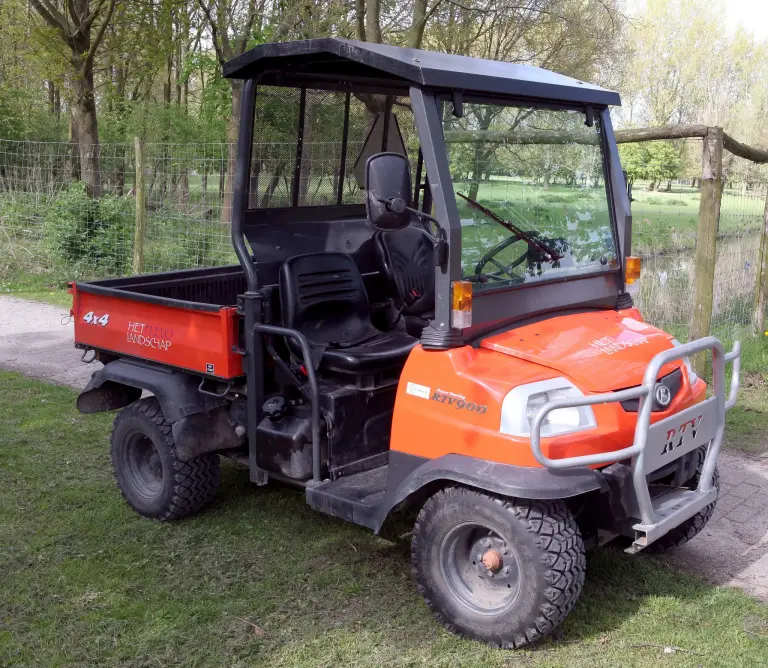
The engines are described here alongside the machines they power: the L series tractors, the B series and the M series. More Kubota machines are in the Kubota collection.
Video: Kubota two-cylinder diesel starting and stopping
Video on YouTube.
Sources
- Kubota, English Wikipedia: engine range, crate engines, American subsidiaries
- Kubota (Unternehmen), German Wikipedia: 1922 engine, Sakai plant, diesel engines
- Kubota, Japanese Wikipedia: Bulltra diesel, industrial engine range and OEM share
- Kubota, French Wikipedia: founding history