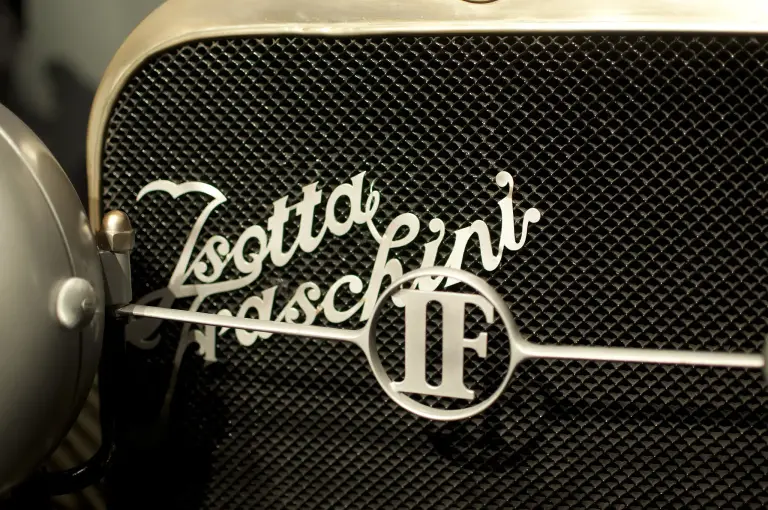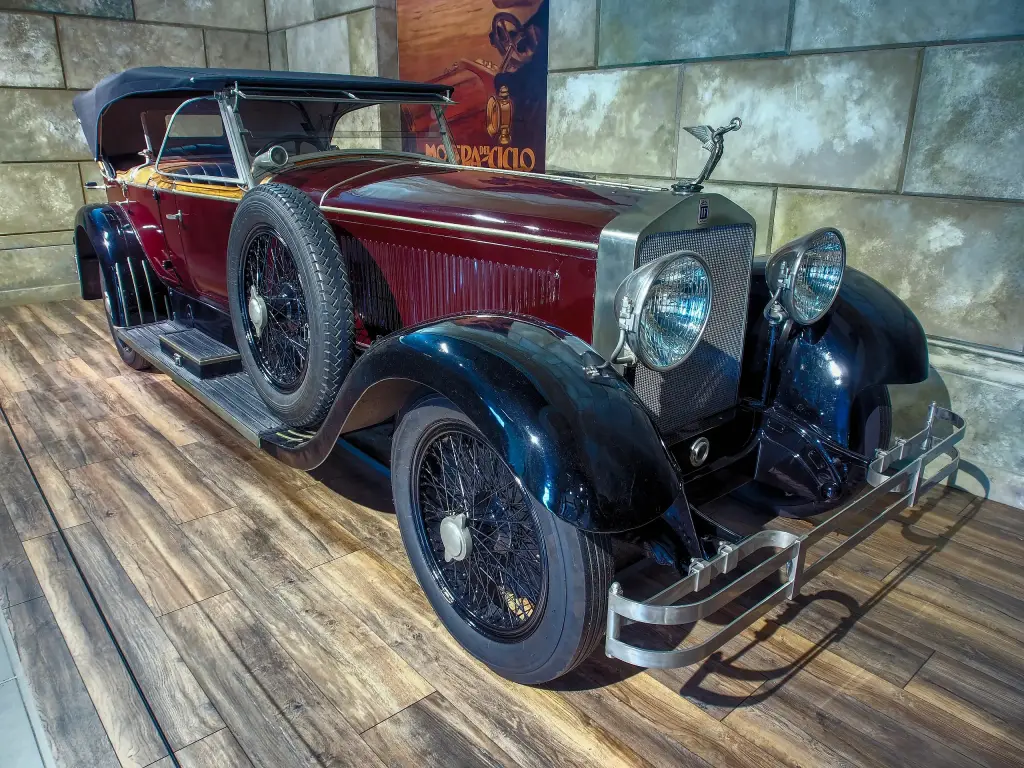
The Isotta Fraschini Tipo 8A was the successor to the Tipo 8, built from 1924 to 1931 with a new 7.3-litre straight-eight. It was the most powerful series-production straight-eight in the world at the time, it cost more than a Duesenberg Model J, and a 1929 landaulet by Castagna became famous as Norma Desmond’s car in the film Sunset Boulevard.
Isotta Fraschini Tipo 8A at a glance
| Maker | Isotta Fraschini, Milan |
|---|---|
| Production | 1924–1931 |
| Engine | 7,370 cc straight-eight, overhead valves and cam |
| Power | 115–160 PS (85–118 kW) |
| Transmission | three-speed manual |
| Top speed | the company promised 150 km/h |
| Suspension | four double-acting hydraulic dampers |
| Coachwork | chassis supplied to coachbuilders |
| Notable body | Worblaufen of Switzerland |
| Special package | 8ASS Super Sprint |
| Main export | about a third sold in the United States |
| Famous car | 1929 Castagna coupé de ville in Sunset Boulevard (1950) |
History of the Isotta Fraschini Tipo 8A
The Tipo 8A replaced the Tipo 8 on the market and was produced from 1924 to 1931. The new engine, developed by Giustino Cattaneo, displaced 7,370 cc against the 5,901 cc of its predecessor and produced between 115 and 160 hp; at the time it was the most powerful straight-eight fitted to a series-production car anywhere in the world. As before the engine was in front and drove the rear wheels, and there was no external intake manifold: the twin carburettors were attached directly to the block.
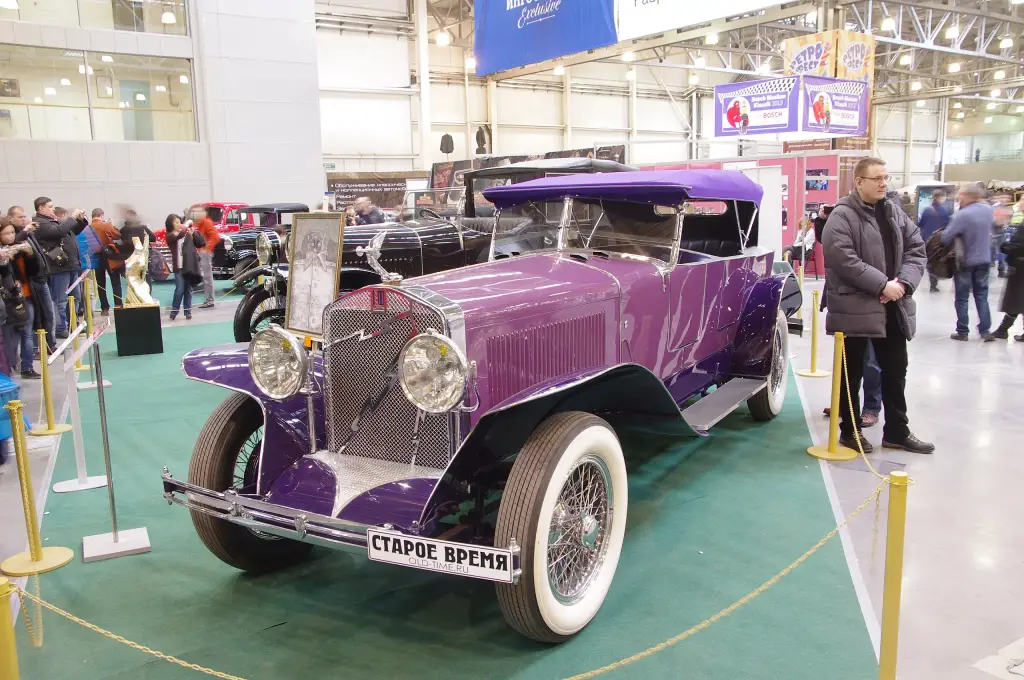
The car was extremely luxurious and cost more than a Duesenberg Model J. About a third of the cars built were sold in the United States, and the characteristic bodywork of some examples came from the Swiss coachbuilder Carrosserie Worblaufen. The chassis was supplied bare, with engine, to the customer’s coachbuilder, and a Super Sprint package, the 8ASS, was available. Cars also served with the Italian Regia Aeronautica. The company promised every car a top speed of 150 km/h; the suspension used four double-acting hydraulic dampers.
In 2012 an unrestored 1931 Tipo 8A with Lancefield faux-cabriolet bodywork was offered publicly for the first time since 1961 and fetched $186,500; in March 2013 a restored 1929 convertible sedan by Floyd-Derham sold for $473,000.
The most famous Tipo 8A is the 1929 landaulet limousine with coupé de ville bodywork by Castagna of Milan used in Billy Wilder’s Sunset Boulevard (1950) as the car of the forgotten silent star Norma Desmond. In the film she calls it a hand-made car that cost her twenty-eight thousand dollars, and Joe Gillis remembers it as upholstered in leopard skin with a gold-plated car phone. Two owners claim the film car: the Museo Nazionale dell’Automobile says the “Sunset car” has been on display in Italy since 1972, while car number 1587 is said to have belonged to Tom Monaghan in the 1980s.
Design and features
- 7.3-litre straight-eight: 115–160 hp, the most powerful series straight-eight of its day.
- Chassis for coachbuilders: bodies by Castagna, Worblaufen and others.
- 8ASS Super Sprint: an optional more sporting package.
- Sunset Boulevard fame: a 1929 Castagna coupé de ville played Norma Desmond’s car.
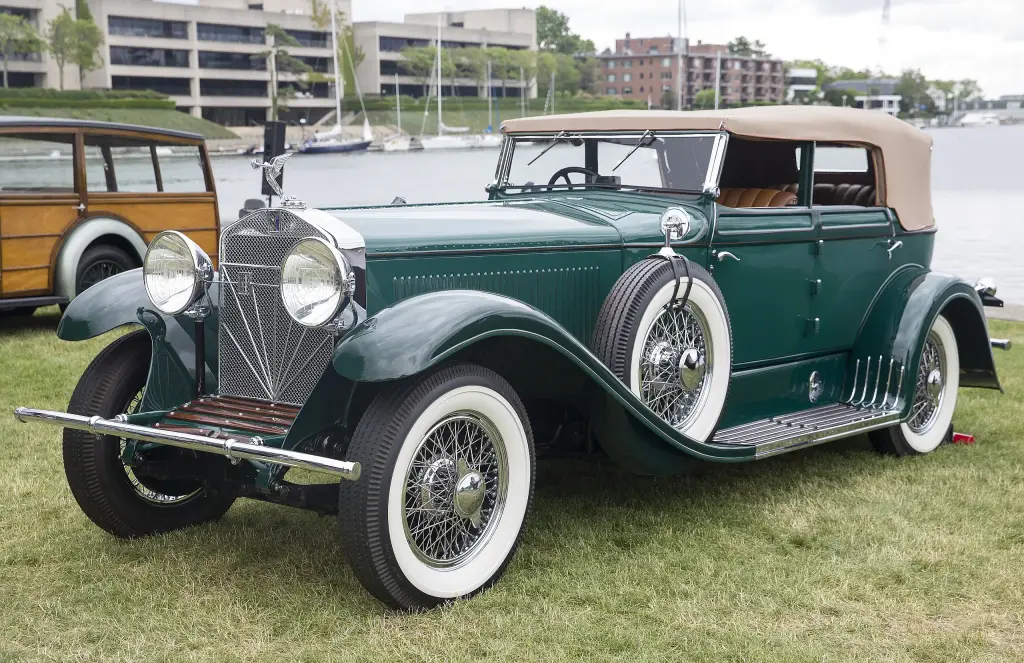
Isotta Fraschini Tipo 8A versions
- Tipo 8A (1924–1931): the standard luxury chassis.
- 8ASS Super Sprint: the sporting package.
- Convertible sedan by Floyd-Derham: the 1929 body that sold for $473,000 in 2013.
- Lancefield faux-cabriolet: the unrestored 1931 barn find offered in 2012.
- Castagna coupé de ville: the landaulet limousine of Sunset Boulevard.
The 8A succeeded the Tipo 8, whose straight-eight it enlarged. More cars are in the Isotta Fraschini collection.
Sources
- Isotta Fraschini Tipo 8A, English Wikipedia: engine, production, market, film
- Isotta Fraschini Tipo 8A, Italian Wikipedia: development, specifications