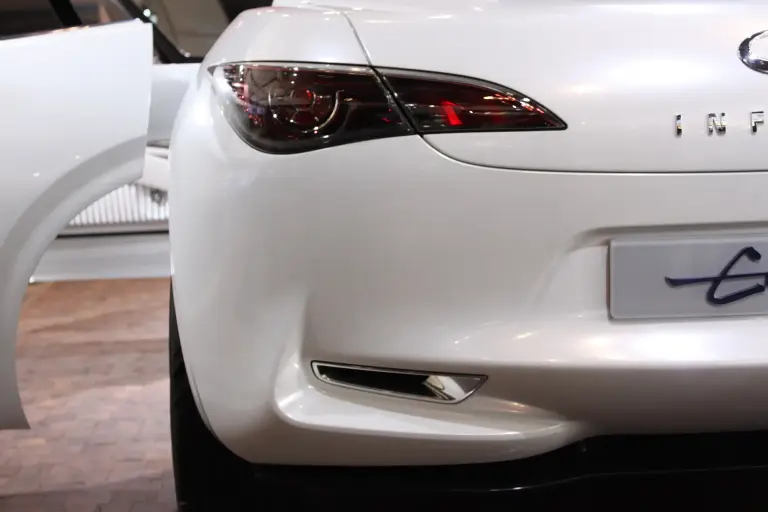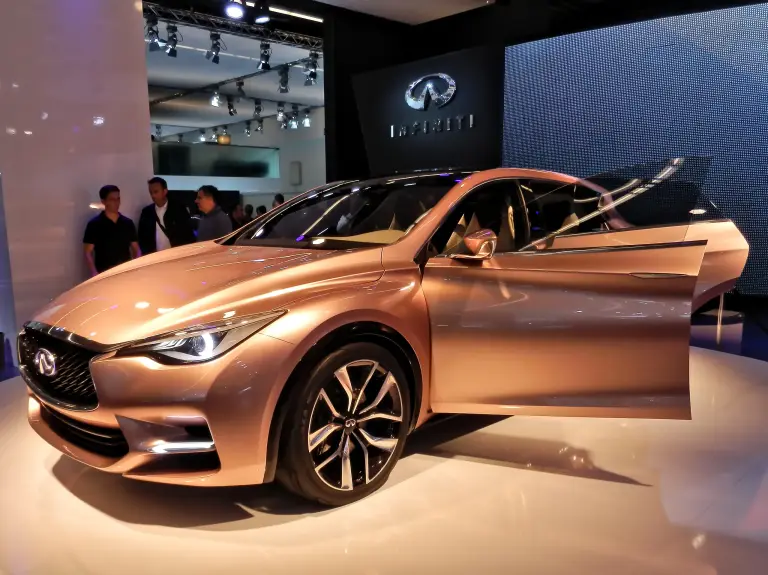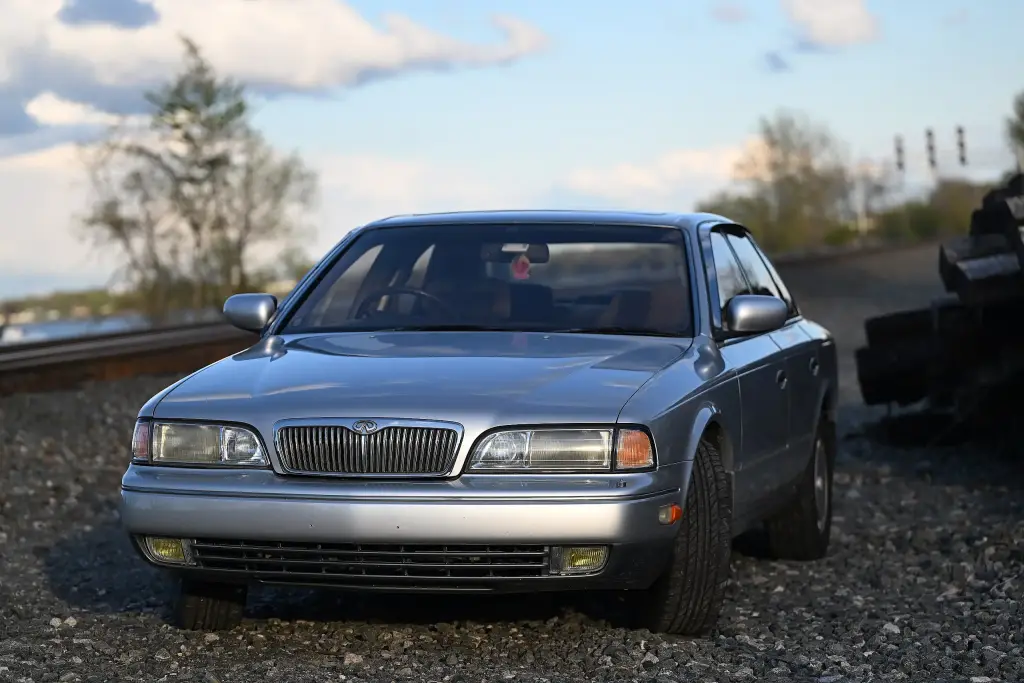
The Infiniti Q45 was a full-size luxury sedan marketed from the 1990 to 2006 model years and the flagship of the new Infiniti brand. It competed with the Acura Legend and Lexus LS 400, and closely matched the BMW 7-Series and Mercedes-Benz S-Class in size; three generations were built, all at Nissan’s Kaminokawa plant in Tochigi.
Infiniti Q45 at a glance
| Maker | Infiniti (Nissan) |
|---|---|
| Class | full-size luxury sedan |
| Model years | 1990–2006 |
| Generations | G50 (1990–1996), Y33 (1997–2000), F50 (2002–2006) |
| 2002 model | third generation, derived from the Nissan Cima |
| Platform | shared with the Nissan President |
| G50 engine | 4.5 L VH45DE V8, 278 hp, 396 N·m |
| Built in | Kaminokawa, Tochigi, Japan |
| Rivals | Acura Legend, Lexus LS 400, BMW 7-Series, Mercedes-Benz S-Class |
| Successor as flagship | the Fuga-based Infiniti M |
| Name legacy | the Q prefix of every later Infiniti car |
Based on one source: the English Wikipedia article on the Infiniti Q45. The photographs show the G50 and Y33 generations; the Q45 of the 2002 record is the F50.
History of the Infiniti Q45
The first Q45 reached the market in August 1989 as a 1990 model. Its 4.5-litre VH45DE V8 produced 278 hp and 292 lb·ft in North American trim, and every car had a viscous limited-slip differential and multi-link suspension front and rear. Nissan positioned it as a luxurious performance sedan and took the letter Q from the western Q-car tradition, implying that an unassuming shape hid real performance. The single option at launch, the Touring Package, added Super HICAS four-wheel steering, a bootlid spoiler and alloy wheels. The car sold below expectations, which was blamed on its unconventional styling, especially the grille and the lack of woodgrain and chrome. A grille was added in 1993 and interior wood appeared by 1995.
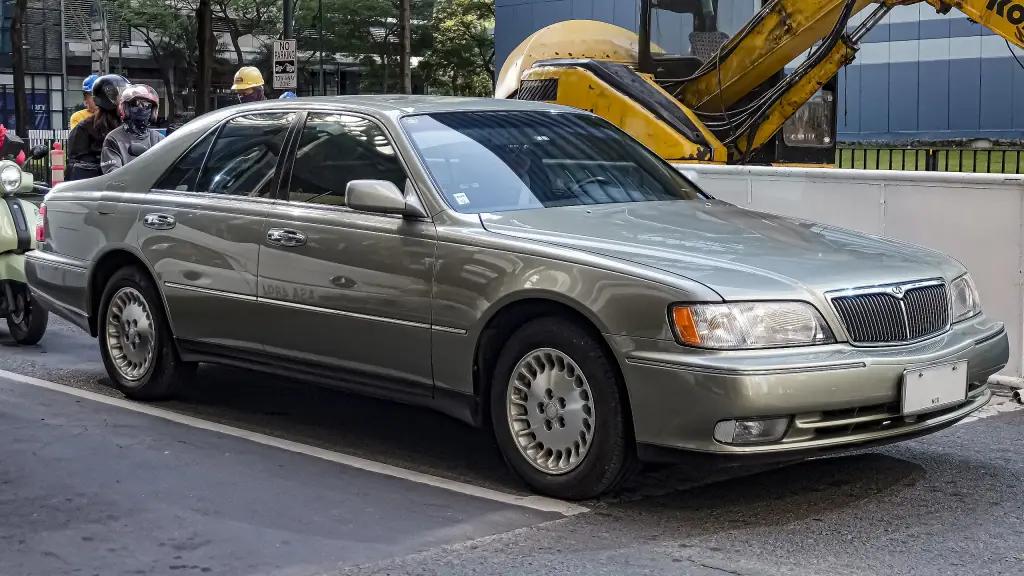
The second generation (Y33, 1997–2000) became a rebadged Nissan Cima, itself a longer-wheelbase version of the Cedric and Gloria. The third and final generation (F50, 2002–2006) was again derived from the Cima and shared its platform with the Nissan President. Standard equipment across the line included a Bose sound system, leather, power seats with memory, digital climate control and keyless entry, and the G50 also offered the Q45a with Full-Active Suspension — ten sensors driving hydraulic actuators at each wheel — and the Q45t with Super HICAS, firmer suspension and a spoiler.
After the 2006 model year Infiniti dropped the Q45 as it moved towards higher-performance cars, and the Fuga-based Infiniti M became the new flagship. In 2013 the brand revised its naming, taking the Q from the Q45 for every car and replacing engine-size names with two-digit numbers that showed a model’s place in the range.
Design and features
- V8 flagship: the 4.5-litre VH45DE V8 of 278 hp made the Q45 the top Infiniti.
- Q-car name: the letter Q referred to cars that hid their performance under a plain shape.
- Active suspension: the Q45a used ten sensors and hydraulic actuators at each wheel.
- Super HICAS: the Q45t had Nissan’s four-wheel steering, deleted in 1995.
Infiniti Q45 versions
- Q45 (G50, 1990–1996): the first generation with the VH45DE V8.
- Q45t: Touring version with Super HICAS, firmer suspension and a spoiler.
- Q45a: the Full-Active Suspension model.
- Q45 (F50, 2002–2006): the final Cima-based generation.
The Q45 was replaced as flagship by the Infiniti M, and its Q gave the name to the Q50. More cars are in the Infiniti collection.
Video: 2002 Infiniti Q45 Start Up and Review 4.5 L V8
Video by Camerons Car Reviews on YouTube.
Sources
- Infiniti Q45, English Wikipedia: generations, V8, equipment, naming, end of production