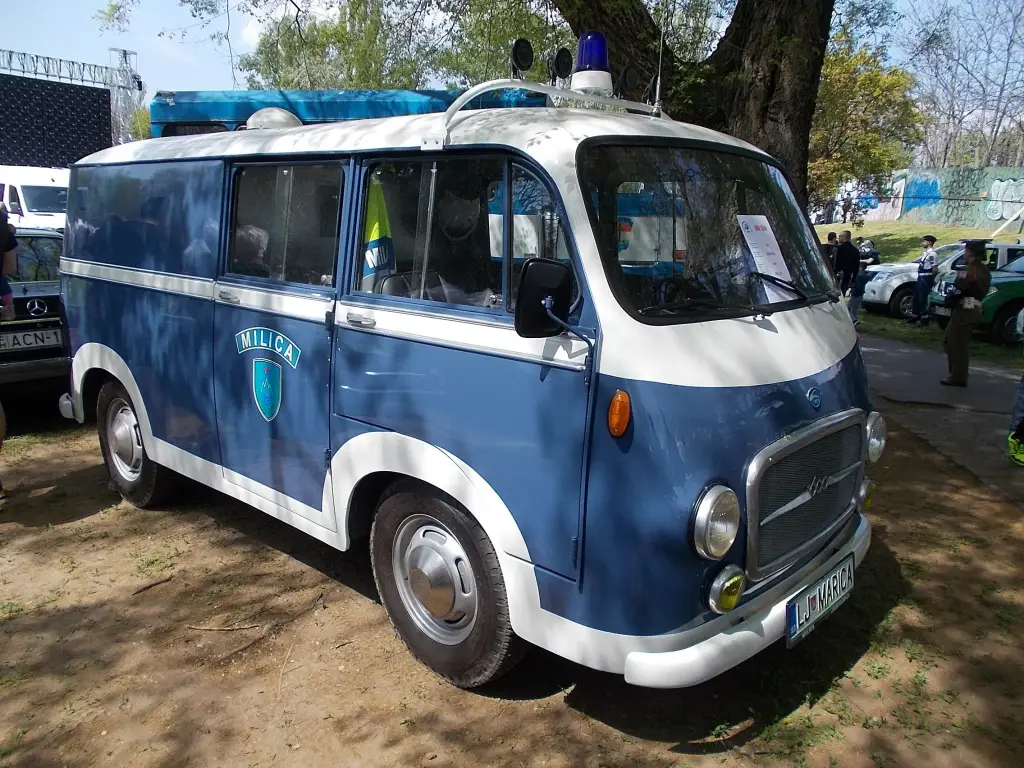
The IMV 1600 is the version of the Novo Mesto van that replaced the DKW two-stroke with a British Motor Corporation engine of 1,622 cc and 56 bhp. It came about because the DKW supply had ended, and the same BMC link soon brought Austin car assembly to the Slovenian factory.
IMV 1600 at a glance
| Maker | Industrija Motornih Vozil (IMV), Novo Mesto, Slovenia, then Yugoslavia |
|---|---|
| Type | light commercial van |
| Body styles | van, minibus and pickup |
| Engine | BMC, 1,622 cc |
| Power | 56 bhp (42 kW; 57 PS) |
| Why BMC | IMV used BMC engines after the demise of DKW |
| BMC link | licence assembly of Austin cars, 1967–1972: Austin 1300, Mini 1000, Austin Maxi 1500/1750 |
| Van range | two sizes: a regular two-axle model and a longer version with a dual rear axle |
| Later model | IMV 2200D of 1977 with a Mercedes-Benz 2,197 cc engine |
| Company | Renault 4 assembly from 1972; Renault joint venture Revoz from 1988 |
No Wikipedia article is devoted to the IMV 1600 and the sources give only a few lines about it; this page is based on the English article on the company (based on one source) and does not add figures that are not there.
History of the IMV 1600
The end of the DKW connection
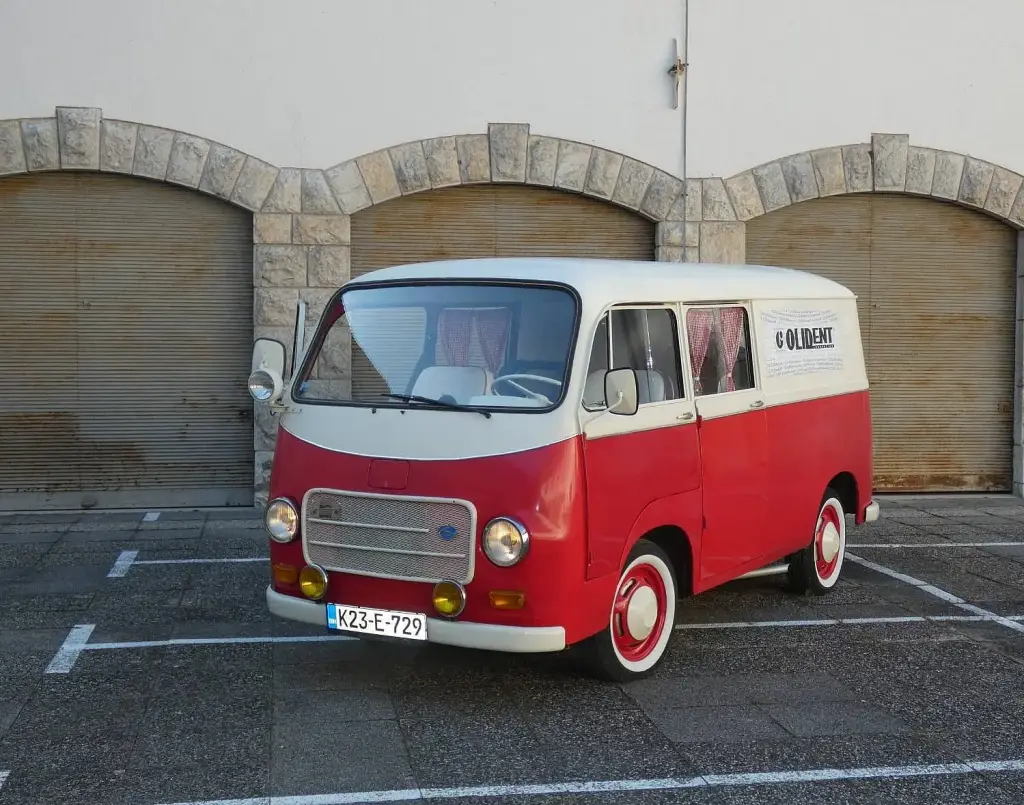
IMV, based in Novo Mesto, had grown out of the assembly of DKW Schnellaster vans: the firm started in 1954 as Moto Montana, became IMV in 1959 and began assembling DKW cars in 1962. Its first van of its own design kept DKW two-stroke engines, but when DKW disappeared the factory had to look elsewhere for power.
A British engine
The answer was British Motor Corporation, whose 1,622 cc engine of 56 bhp gave the IMV 1600 its name. The van continued the formula of the earlier model: it was a versatile commercial vehicle throughout Yugoslavia in van, minibus and pickup forms, and the range was built in two sizes, the regular two-axle model and a longer version with a dual rear axle.
The Austin years and Renault
Building on the engine link, IMV assembled cars under licence from Austin between 1967 and 1972, among them the Austin 1300, the Mini 1000 and the Austin Maxi 1500/1750. Supply problems with Austin parts then led to an agreement with Renault in 1972 and the start of Renault 4 assembly. In 1988 IMV formed a formal joint venture with Renault to create Revoz, and in 1989 Renault took complete ownership of the car manufacturing division under that name. The van line itself moved on to a Mercedes-Benz engine in the IMV 2200D of 1977.
Design and features
- BMC 1,622 cc engine: 56 bhp from the British unit that replaced the DKW two-stroke.
- The same versatile body: van, minibus and pickup versions for the Yugoslav market.
- Two sizes: a regular two-axle van and a longer dual-rear-axle model.
- BMC in the factory: the engine deal opened the way to Austin car assembly between 1967 and 1972.
IMV 1600 versions
- IMV 1600 van: the standard closed commercial body.
- Minibus and pickup: passenger and light truck versions on the same chassis.
- Long dual-rear-axle van: the larger of the two sizes offered.
- IMV 1600R: a later variant, one of which survives in Bosnia and was photographed there in 1983 specification.
- IMV 2200D: the 1977 successor with a Mercedes-Benz engine.
The 1600 followed the DKW-engined IMV 1000 and was succeeded by the IMV 2200D with a Mercedes-Benz engine. More vehicles from the factory are in the IMV collection.
Video: IMV 1600 Super oldtimer driving
Video on YouTube.
Sources
- Industrija Motornih Vozil, English Wikipedia: company history, van range, IMV 1600 engine and power, Austin and Renault years