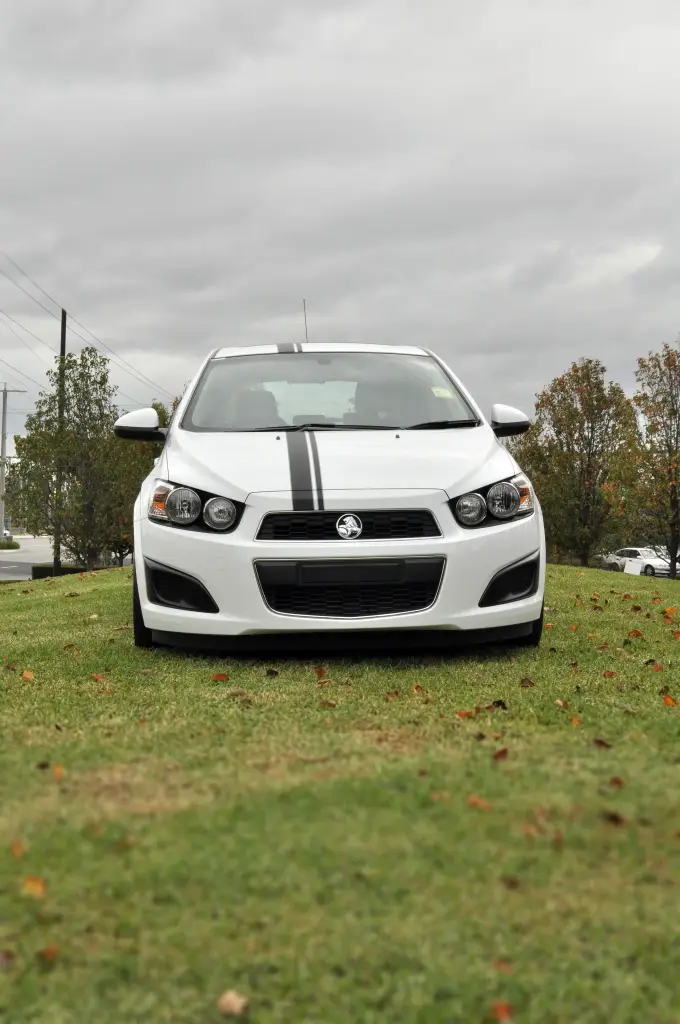
The Holden Barina was a subcompact car sold by Holden in Australia and New Zealand from 1985 to 2018. Every one of its six generations was a badge-engineered version of a General Motors vehicle, starting with the Suzuki Cultus and passing through the Opel Corsa to Daewoo. The name comes from an Aboriginal word for summit.
Holden Barina at a glance
| Maker | Holden, badge-engineered from Suzuki, Opel and Daewoo |
|---|---|
| Sold | 1985–2018 |
| Name | Aboriginal word for “summit” |
| MB | February 1985, Suzuki Cultus, five-door hatchback |
| ML | September 1986, coil-sprung rear end and new front |
| MF | January 1989, second-generation Cultus |
| MH | September 1991, revised interior and bumpers |
| SB | April 1994, Opel Corsa B, imported from Spain |
| XC | April 2001, Opel Corsa C |
| SB engines | 1.2, 1.4 and 1.6-litre (GSi) |
| Barina Cabrio | November 1997 to late 2000, 581 sold |
History of the Holden Barina
MB and ML: the Suzuki years
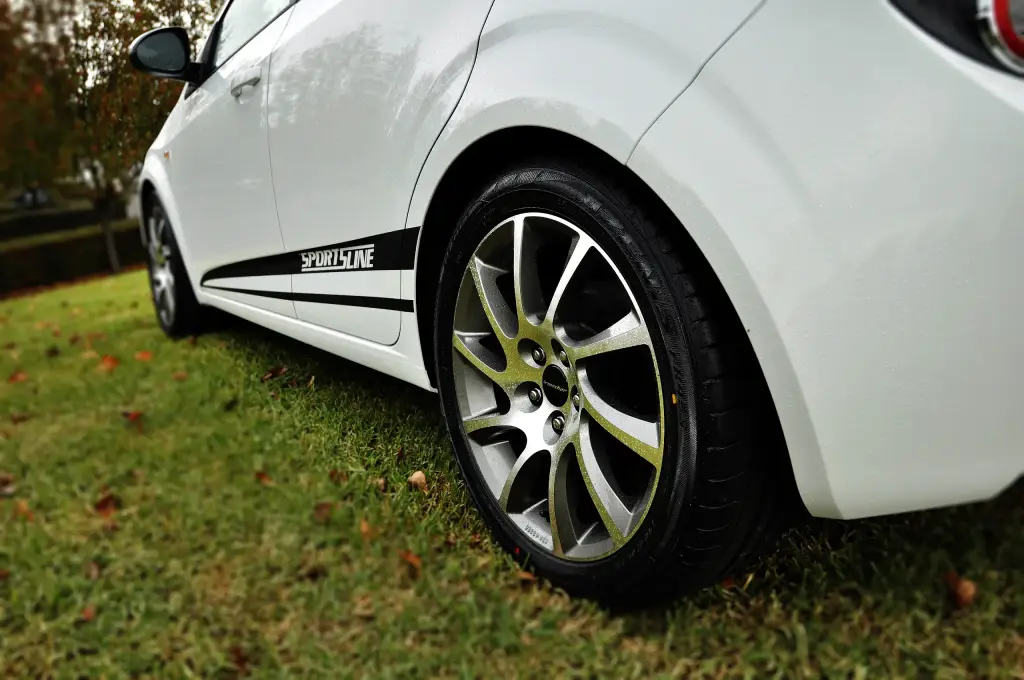
The first Barina, the MB, was launched on 12 February 1985 as a badge-engineered Suzuki Cultus in five-door hatchback form. In its first year Holden offered a Roadrunner Pack special with decals of the Warner Bros. cartoon character, and a high-profile campaign coined the slogan “Beep beep Barina”, which stayed in Australian memory. The facelifted ML arrived in September 1986 with a coil-sprung rear end replacing the MB’s leaf springs, plus a revised dashboard, headlights, tailgate, lights and grille. In New Zealand the car was also sold as the Suzuki Swift and assembled locally from 1985 to 1989, and a Barina GTi using the Suzuki Swift GTi’s G13B engine was offered from 1986 to 1989.
MF and MH: the second Cultus
The second-generation MF of January 1989 was a rebadged second-generation Suzuki Cultus and used the GM M platform, sold worldwide as the Suzuki Swift, Pontiac Firefly and Geo Metro among others. A three-door GS hatchback joined the five-door in September 1990. New Zealand cars, imported assembled from Japan, received the North American Geo tail lamp cluster with red indicators because of an ordering mix-up. The MH of September 1991 brought an improved interior, upgraded suspension, new bumpers and revised tail lamps.
SB: the Opel Corsa
The SB of April 1994 switched to the Opel Corsa B and was imported from Spain as a three- or five-door hatchback. Engines were 1.2 and 1.4-litre fours, with a 1.6 in the GSi. An update in August 1997 brought multipoint fuel injection across the range and suspension changes, identifiable by half body-coloured bumpers and a three-bar grille.
A Lambada special edition of 1997 was limited to 500 cars and added a sunroof, 14-inch alloys, body-coloured bumpers and power steering over the City on which it was based. From November 1997 to late 2000 Holden sold the Barina Cabrio soft top, of which only 581 were built: the cars were imported from Spain and converted at Clayton, Victoria by Holden Special Vehicles.
XC and after
The fourth-generation XC of April 2001 was based on the Opel Corsa C. Later generations moved to Daewoo Kalos underpinnings before the Barina was withdrawn in 2018. The 2008 Used Car Safety Ratings judged the first generation significantly worse than average for occupant protection, the second worse than average and the SB average.
Design and features
- Badge engineering: every generation was a Suzuki, Opel or Daewoo design with Holden badges.
- Local conversion: SB Cabrio bodies were cut and converted at Clayton by HSV.
- Small-car pricing: in New Zealand the Barina was sold mainly as a cheap second car.
- Memorable campaign: “Beep beep Barina” outlived the model it advertised.
- Safety ratings: the 2008 ratings placed the early generations below average.
Holden Barina versions
- MB and ML (1985–1988): Suzuki Cultus five-door, Roadrunner Pack special in 1985.
- Barina GTi (1986–1989): New Zealand model with the Suzuki G13B engine.
- MF and MH (1989–1994): second-generation Cultus, three-door GS from 1990.
- SB (1994–2000): Opel Corsa B with City, Joy, Swing and GSi trim.
- Lambada (1997): 500 cars with sunroof and 14-inch alloys.
- Barina Cabrio (1997–2000): 581 soft tops converted by HSV.
The Barina was Holden’s smallest car, well below the Holden Astra and the Holden Commodore. More cars are in the Holden collection.
Video: Holden Barina RS v Ford Fiesta Sport video review
Video by Drive.com.au on YouTube.
Sources
- Holden Barina, English Wikipedia: generations, engines, special editions