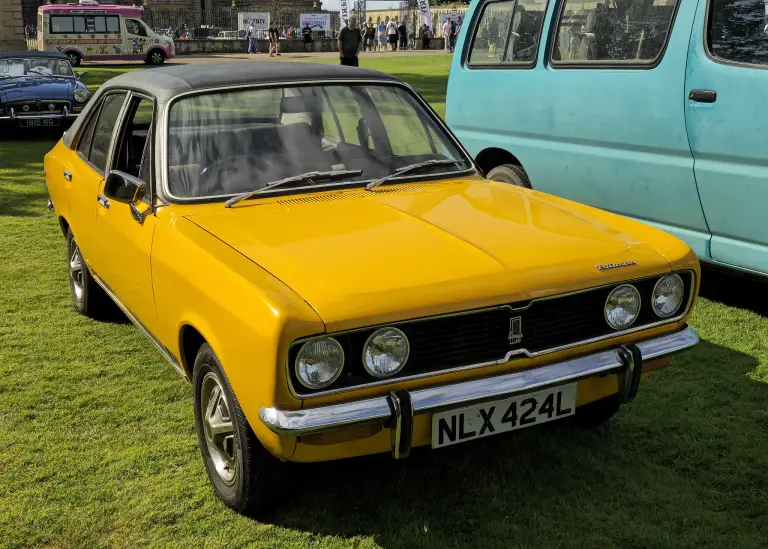
The Hillman Hunter was the first and best-selling model of the Rootes Arrow range, launched in 1966 as a replacement for the Hillman Super Minx. It gave its name to the whole family of badge-engineered Arrows made by Rootes and later Chrysler Europe until 1979, and it was still being built in Iran as the Paykan long after that.
Hillman Hunter at a glance
| Maker | Rootes Group, later Chrysler Europe |
|---|---|
| Range | Rootes Arrow |
| Production | 1966–1979 in Europe |
| Replaced | Hillman Super Minx |
| Layout | front engine, rear-wheel drive |
| Bodies | saloon and estate |
| Engines | 1496 cc and 1725 cc four-cylinder |
| Power | 66 to 88 bhp; 107 bhp in the GLS |
| Front suspension | MacPherson struts |
| Rear suspension | live axle on leaf springs |
Based on one source. The English Wikipedia page describes the whole Rootes Arrow range, in which the Hunter is the main model; only Hunter material is used here.
History of the Hillman Hunter
The Arrow range was conceived in 1962. After the Hillman Imp, Rootes considered a larger rear-engined car, but the idea was dropped and the company settled on a conventional layout close to its existing Audax series. Cash was short and the Imp was suffering from engine cooling problems, so the Arrow broke little new engineering ground: most parts were based on proven Rootes components, starting with a new five-bearing version of the 1725 cc overhead-valve engine.

The Hunter was the first Arrow to be launched. It was lighter than the Super Minx it replaced and its wheelbase was actually 2½ inches shorter, but the passenger cabin was longer because the engine and toe-board were moved forward. The engine was inclined by 15 degrees to lower the bonnet line and make room for the carburettors. For the first time in a Rootes car there were MacPherson struts at the front, with a live axle on leaf springs behind, and the Arrow also brought curved side glass and flow-through ventilation to the marque.
Changes were few for the first two years, but in May 1968 servo-assisted brakes became a factory-fitted option at slightly under £13. A mild facelift in 1970 gave new grilles to the Hunter trim levels and some derivatives a more fashionable plastic dashboard in place of wood. A deeper facelift for 1972 brought an all-plastic dashboard with deeply hooded round dials, a new steering wheel, squarer headlamps in a new grille and revised engine tuning, and 1975 brought further changes to the bumpers. The Hunter was also the model most often used to describe the whole range, which was sold as Hillman, Chrysler, Sunbeam, Singer, Humber and Dodge in different markets, and in Iran as the Paykan until 2005.
Design and features
- Five-bearing 1725 cc engine: a strengthened version of a proven Rootes unit, inclined 15 degrees and offered from 66 to 88 bhp.
- Holbay GLS: twin Weber 40DCOE carburettors raised output to 107 bhp for the Hunter GLS.
- Modern front suspension: MacPherson struts, a first for Rootes, with a conventional leaf-sprung live axle at the rear.
- Practical cabin: shorter wheelbase than the Super Minx but more passenger room, plus flow-through ventilation and curved side glass.
- Gearbox choice: four-speed manual with optional overdrive or a Borg-Warner automatic.
Hillman Hunter versions
- Hunter (1966): the original Arrow saloon, replacing the Super Minx.
- Hunter DeLuxe: the 1500 cc model that succeeded the Hillman Minx.
- Hunter GLS: Holbay-tuned 1725 cc with twin Webers and 107 bhp.
- Hunter estate: the load-carrying body style of the same range.
- Chrysler Hunter (1976–1979): the same car under the Chrysler badge after the Rootes name was dropped.
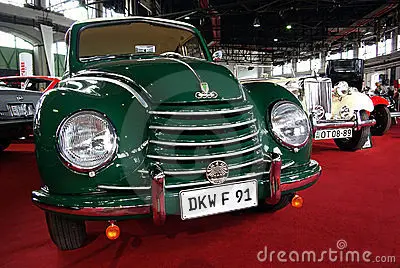
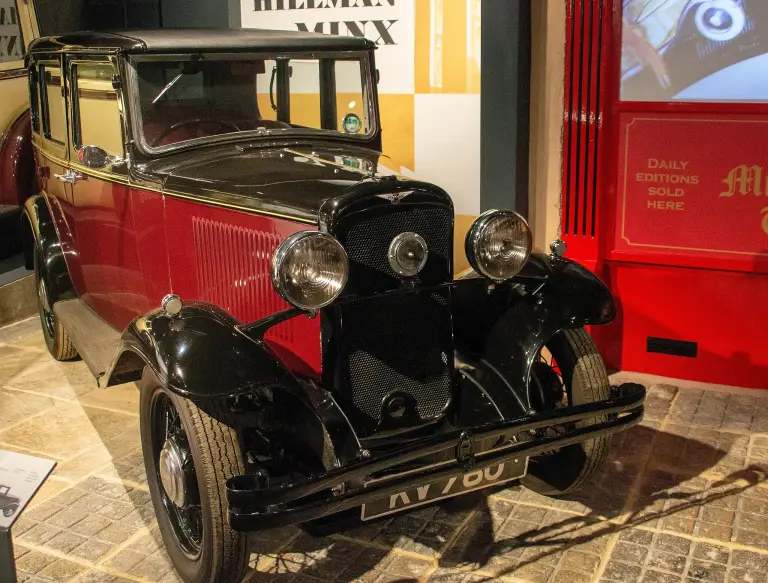
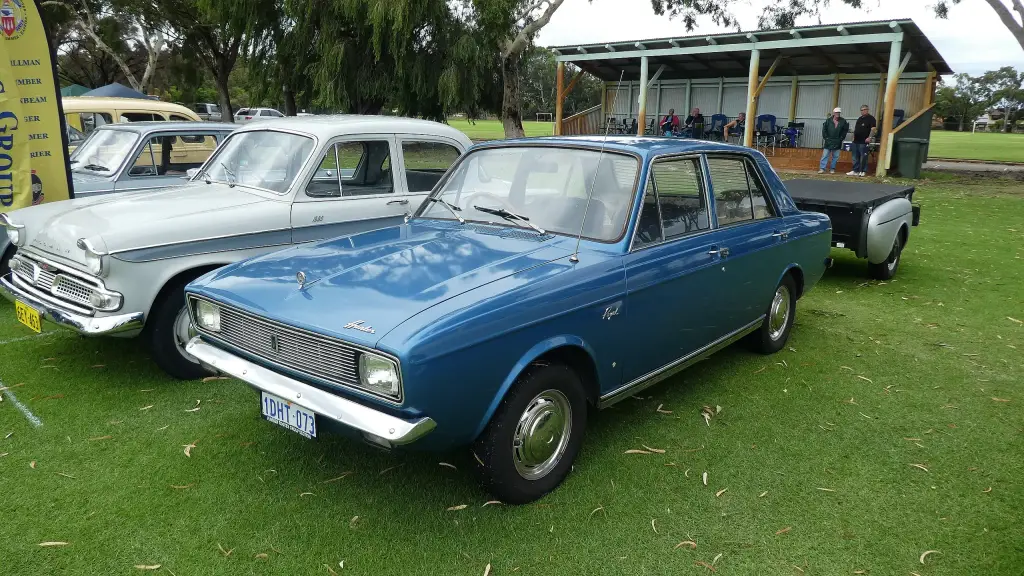
The Hunter replaced the Minx line and was later joined by the smaller Avenger; the 1930s Hawk shows the other end of the company’s history. More cars are in the Hillman collection.
Sources
- Rootes Arrow, English Wikipedia: development, engineering, facelifts, range